


bigtargetmedia.com _ Pay-per-click advertising has become a foundational element of digital marketing as businesses compete for visibility in increasingly crowded online spaces. At the center of this ecosystem are PPC marketing companies, specialized organizations that manage, optimize, and analyze paid advertising campaigns across search engines and digital platforms. Their role has expanded alongside the complexity of advertising technologies and data-driven decision-making.
Rather than focusing solely on ad placement, PPC marketing companies operate within a broader strategic framework. They combine keyword research, audience targeting, creative testing, and performance analysis to ensure that advertising budgets are deployed efficiently. This approach reflects how paid media has evolved from simple bidding systems into sophisticated performance channels.
As digital advertising continues to mature, understanding the structure, benefits, and limitations of PPC marketing companies provides insight into how modern advertising systems function. Examining their methods and real-world applications helps clarify their position within the wider digital economy.
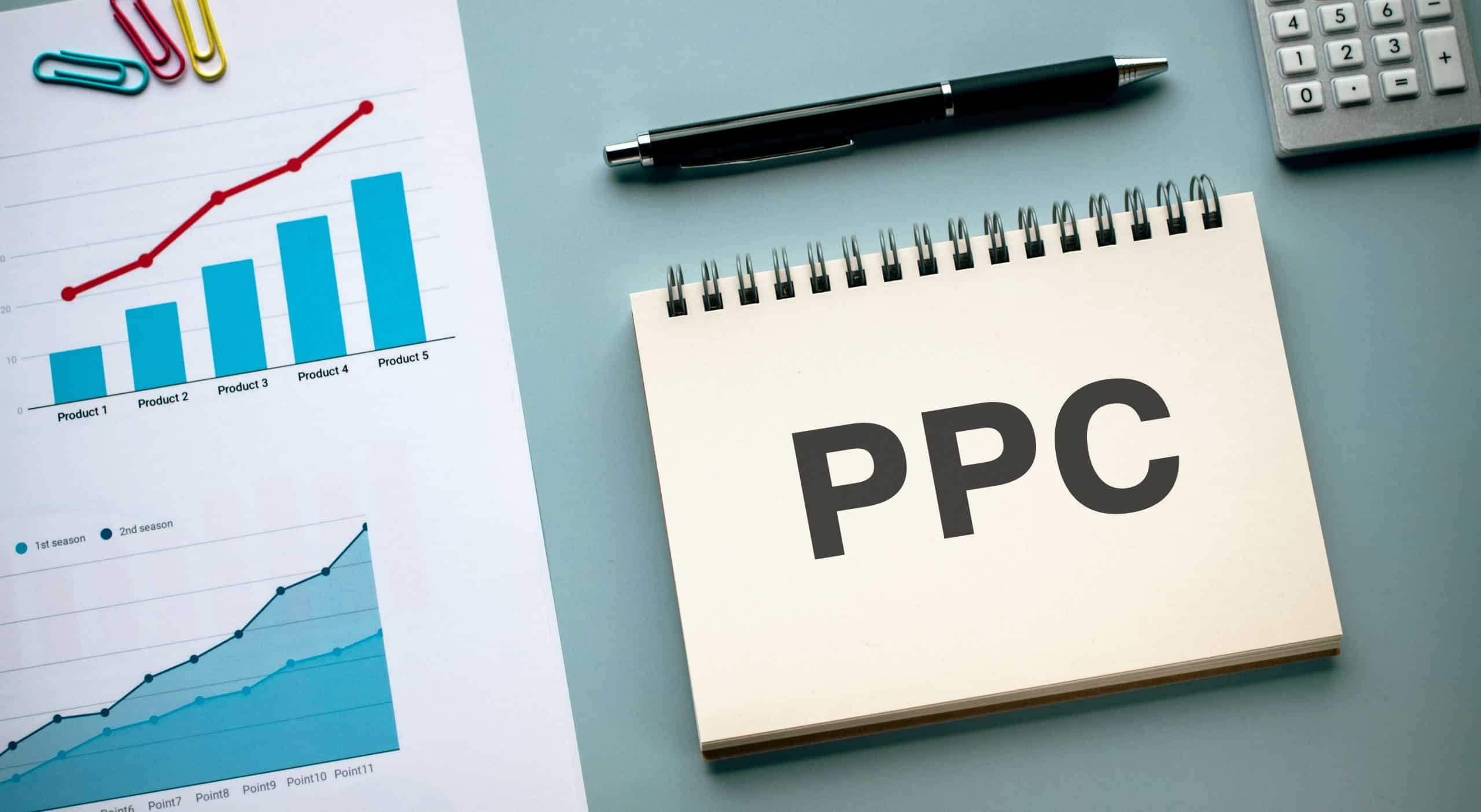
Understanding PPC Marketing Companies
PPC marketing companies are organizations that specialize in managing paid advertising campaigns where advertisers pay for each click on their ads. These campaigns typically operate on platforms such as search engines, social media networks, and display advertising systems. The companies act as intermediaries between advertisers and advertising platforms, translating business objectives into measurable campaign strategies.
Their work involves continuous optimization rather thana one-time setup. Campaigns are monitored in real time, with adjustments made to bids, targeting parameters, ad copy, and landing page alignment. This ongoing process reflects the dynamic nature of paid advertising, where performance can shift rapidly due to competition, user behavior, or algorithm updates.
PPC marketing companies often serve a wide range of industries. From e-commerce and professional services to education and technology, their methodologies are adaptable to different market conditions. This versatility has contributed to their sustained relevance in digital marketing strategies.
Core Functions Within PPC Campaign Management
One primary function of PPC marketing companies is keyword and audience research. This process involves identifying search queries and user segments that align with campaign goals. Rather than targeting broad terms, effective PPC strategies focus on relevance and intent, balancing reach with cost efficiency.
Another key responsibility is campaign structure and bidding strategy. PPC marketing companies design account hierarchies that support clear data analysis and budget control. Bid adjustments are made based on performance metrics such as click-through rates, conversion data, and return on ad spend.
Creative development and testing also play a central role. Ad copy, visuals, and extensions are tested iteratively to improve engagement. This experimentation allows campaigns to evolve based on user response rather than static assumptions.
The Strategic Role of PPC Marketing Companies
Beyond execution, PPC marketing companies contribute strategic insight. They analyze performance trends to identify growth opportunities or inefficiencies. These insights often inform broader marketing decisions, such as messaging priorities or channel allocation.
Integration with other digital channels is increasingly common. PPC campaigns are frequently aligned with search engine optimization, content marketing, and analytics initiatives. This integrated approach helps ensure consistency across paid and organic visibility.
Data interpretation is another strategic dimension. PPC marketing companies translate complex performance data into actionable recommendations. This role requires both technical expertise and an understanding of business objectives, bridging the gap between data and decision-making.
Benefits and Broader Implications
One of the primary benefits of working with PPC marketing companies is efficiency. Specialized knowledge and tools allow campaigns to be optimized more effectively than ad hoc management. This efficiency can lead to better use of advertising budgets and more predictable performance outcomes.
Scalability is another advantage. PPC marketing companies are equipped to manage campaigns across multiple regions, platforms, and audiences. This capability supports business growth without requiring proportional increases in internal resources.
On a broader level, PPC marketing companies influence how digital advertising ecosystems function. Their practices shape bidding behaviors, creative standards, and performance benchmarks. As a result, they play a role in defining norms within paid media markets.
Economic and Industry Impact
The presence of PPC marketing companies has contributed to the professionalization of digital advertising. Standardized methodologies, reporting frameworks, and optimization techniques have emerged through industry practice.
These companies also facilitate market access for smaller organizations. By lowering the technical barrier to entry, they enable participation in competitive advertising environments that might otherwise be inaccessible.
At the same time, their influence raises questions about transparency and complexity. As campaigns become more sophisticated, understanding performance drivers can become challenging without specialized expertise.
Risks, Challenges, and Considerations
Despite their benefits, PPC marketing companies face several challenges. One common risk is rising competition, which can drive up advertising costs. As more advertisers enter the same auctions, maintaining efficiency becomes increasingly complex.
Algorithmic dependence presents another challenge. Advertising platforms regularly update their systems, affecting how ads are delivered and measured. PPC marketing companies must continuously adapt to these changes to maintain performance stability.
There is also the challenge of attribution. Determining how PPC campaigns contribute to broader marketing outcomes can be difficult, particularly in multi-channel environments. Misinterpretation of data may lead to suboptimal decisions if not managed carefully.
Managing Complexity and Expectations
Expectation management is a critical consideration. PPC marketing companies must balance short-term performance metrics with long-term strategic goals. Overemphasis on immediate results may undermine sustainable growth.
Communication complexity also increases as campaigns scale. Coordinating between advertisers, creative teams, and platform representatives requires clear processes and documentation.
Ethical considerations, such as data privacy and ad transparency, further complicate operations. Compliance with regulations and platform policies is essential to maintaining credibility and avoiding disruptions.
Real Product or Service Examples
Google Ads Management Agencies
Google Ads remains a primary platform managed by many PPC marketing companies worldwide.
Many PPC marketing companies specialize in managing campaigns on Google Ads. Their work includes keyword bidding, quality score optimization, and performance tracking across search and display networks.
This specialization highlights how platform expertise influences campaign effectiveness and advertiser outcomes.
WordStream PPC Services
WordStream provides software and services that assist PPC marketing companies with campaign optimization. Automated recommendations and performance insights streamline management processes.
This example demonstrates how technology supports human expertise in paid advertising.
WebFX PPC Campaign Management
Full-service agencies like WebFX integrate PPC management with broader digital strategies.
WebFX offers PPC campaign management alongside other digital marketing services. This integrated approach reflects how PPC marketing companies increasingly operate within multi-channel frameworks.
Such models emphasize alignment between paid advertising and overall brand visibility.
Disruptive Advertising Performance-Focused PPC
Performance-driven PPC marketing companies focus on data analysis and conversion optimization.
Disruptive Advertising emphasizes data-driven optimization and conversion tracking. Their approach highlights how analytics and testing underpin effective PPC management.
This example illustrates the analytical orientation common among specialized PPC firms.
Use Cases and Real-World Scenarios
In e-commerce, PPC marketing companies manage product-focused campaigns designed to capture high-intent searches. Continuous bid optimization and feed management help maintain competitiveness during peak demand periods.
Professional service firms often rely on PPC marketing companies to generate qualified leads. Targeted campaigns focus on location, industry, and service-specific keywords to align with client acquisition goals.
Technology companies use PPC marketing companies to support product launches and market entry. Short-term campaigns generate awareness while data collected informs longer-term positioning strategies.
Frequently Asked Questions
What do PPC marketing companies do?
They manage and optimize paid advertising campaigns where advertisers pay for each click, focusing on performance and efficiency.
How do PPC marketing companies differ from general marketing agencies?
They specialize in paid advertising platforms and performance optimization rather than broader branding or creative services.
Are PPC marketing companies relevant in all industries?
Most industries use PPC advertising, though effectiveness depends on market demand, competition, and strategic alignment.
What platforms do PPC marketing companies typically manage?
Common platforms include search engines, social media networks, and display advertising systems.
How is PPC campaign success measured?
Success is evaluated through metrics such as click-through rates, conversions, and return on advertising spend.
Neutral Conclusion
PPC marketing companies occupy a central role in the modern digital advertising landscape. By managing complex paid media systems, they enable organizations to navigate competitive environments and extract value from advertising investments.
While challenges related to cost, complexity, and attribution remain, the strategic and operational contributions of PPC marketing companies continue to shape how digital advertising evolves. Their practices reflect broader trends in data-driven marketing, platform dependence, and the ongoing pursuit of measurable performance within the global digital economy.
