
Targeted advertising has become a central component of modern digital marketing as businesses seek more precise ways to reach relevant audiences. As advertising channels multiply and consumer attention fragments across platforms, the effectiveness of broad, untargeted campaigns continues to decline. This environment has encouraged the development of advertising solutions designed to align messages with specific audience characteristics, behaviors, and contexts.
In this landscape, For Your Business (FYB) as a targeted advertising platform represents a conceptual approach to placing ads where relevance is prioritized over volume. Rather than focusing on maximum exposure, the FYB concept emphasizes alignment between business objectives, audience intent, and placement context. This shift reflects broader trends in digital advertising, where efficiency and relevance increasingly outweigh raw reach.
Understanding For Your Business (FYB) requires examining it as part of a wider movement toward precision marketing. By exploring how such platforms operate, what benefits they offer, and what limitations they present, it becomes possible to assess their role in contemporary advertising ecosystems without relying on promotional narratives.

Image caption:
This visual illustrates the concept of For Your Business (FYB) as a targeted advertising solution within digital marketing environments.
Understanding For Your Business (FYB) as a Targeted Advertising Platform
For Your Business (FYB), as a targeted advertising platform, can be understood as a system designed to connect businesses with specific audience segments through carefully selected ad placements. The emphasis lies on matching advertising messages with environments where they are most likely to be relevant, rather than distributing them broadly across unrelated contexts.
This approach aligns with data-driven advertising models that rely on audience insights, content relevance, and contextual alignment. FYB-style platforms typically operate by analyzing factors such as audience demographics, browsing behavior, content categories, and timing to determine where ads should appear. The goal is to increase message relevance while reducing wasted impressions.
Rather than functioning as a single-channel solution, For Your Business (FYB) is best viewed as an advertising framework that can integrate with multiple digital environments. Websites, applications, and content networks become potential placement points, provided they meet relevance criteria established by the platform.
The Role of Precision in Modern Advertising Placement
Precision has become a defining feature of digital advertising strategies. As data availability has expanded, advertisers have gained the ability to refine targeting beyond basic demographics. FYB-oriented platforms reflect this evolution by prioritizing contextual and behavioral signals when selecting ad placements.
Contextual relevance plays a central role in this process. Ads placed within content that aligns with business offerings or user intent are more likely to resonate. For example, an advertisement related to professional services may perform better within business-oriented content environments than within entertainment-focused spaces.
Behavioral insights further enhance precision. By understanding patterns such as browsing frequency, content engagement, or search behavior, targeted advertising platforms can identify moments when audiences are more receptive. This combination of context and behavior underpins the FYB approach to advertising placement.
How FYB-Style Platforms Structure Advertising Delivery
Advertising delivery within For Your Business (FYB) frameworks is typically structured around predefined targeting parameters. These parameters may include industry relevance, geographic location, device type, or time-based factors. By narrowing the scope of delivery, platforms aim to improve efficiency.
Campaign setup often involves defining audience profiles rather than selecting individual placements manually. The platform then matches these profiles with suitable environments across its network. This automation reduces operational complexity while maintaining control over targeting criteria.
Performance monitoring is another key structural element. FYB-style platforms rely on continuous data collection to assess how ads perform within different contexts. Insights from this monitoring inform ongoing optimization, allowing placements to evolve based on observed outcomes rather than static assumptions.
Benefits and Broader Implications
One notable benefit of For Your Business (FYB) as a targeted advertising platform is efficiency. By focusing on relevant placements, advertising resources are allocated more strategically. This approach can reduce exposure to uninterested audiences and improve overall campaign effectiveness.
Another advantage lies in message alignment. Ads that appear in suitable contexts are more likely to be perceived as informative rather than intrusive. This alignment can contribute to improved brand perception, as messaging feels integrated into the surrounding content rather than disruptive.
On a broader level, FYB-style targeting reflects changing expectations within digital ecosystems. Audiences increasingly expect advertising to be relevant and contextually appropriate. Platforms that prioritize targeted placement respond to this expectation, influencing industry standards for ad delivery.
Implications for Content and Media Ecosystems
Targeted advertising platforms also shape how content ecosystems operate. Publishers and platforms hosting ads benefit from partnerships that prioritize relevance, as ads aligned with content themes are less likely to degrade user experience.
This dynamic encourages higher-quality content environments. When ad placement depends on contextual relevance, publishers have incentives to maintain clear thematic focus and audience definition. Over time, this can contribute to more structured and transparent content categorization.
From an industry perspective, FYB-style approaches support a shift away from volume-based monetization toward value-based engagement. This shift aligns with broader discussions about sustainability and user trust in digital media.
Risks, Challenges, and Considerations
Despite their advantages, targeted advertising platforms such as For Your Business (FYB) face several challenges. One key concern involves data reliance. Effective targeting depends on accurate and up-to-date data, and data quality issues can undermine performance.
Privacy considerations also play a significant role. Targeted advertising requires careful handling of user data to comply with regulations and ethical standards. Platforms must balance personalization with transparency and user consent, particularly in regions with strict data protection laws.
Another challenge relates to scale. Highly targeted campaigns may reach smaller audiences by design. While this can improve relevance, it may limit exposure and require careful expectation management regarding reach and frequency.
Technical and Operational Limitations
Technical complexity can also present barriers. Integrating targeting systems across multiple platforms and content environments requires robust infrastructure. Inconsistent data standards or integration challenges may affect accuracy.
Operationally, defining effective targeting criteria demands strategic clarity. Overly narrow parameters may restrict delivery, while overly broad ones may dilute relevance. Finding the right balance is an ongoing process.
Measurement and attribution add further complexity. Determining how targeted placements contribute to broader marketing outcomes requires thoughtful analysis, particularly in multi-channel campaigns.
Real Product or Service Examples
Google Display Network Contextual Targeting
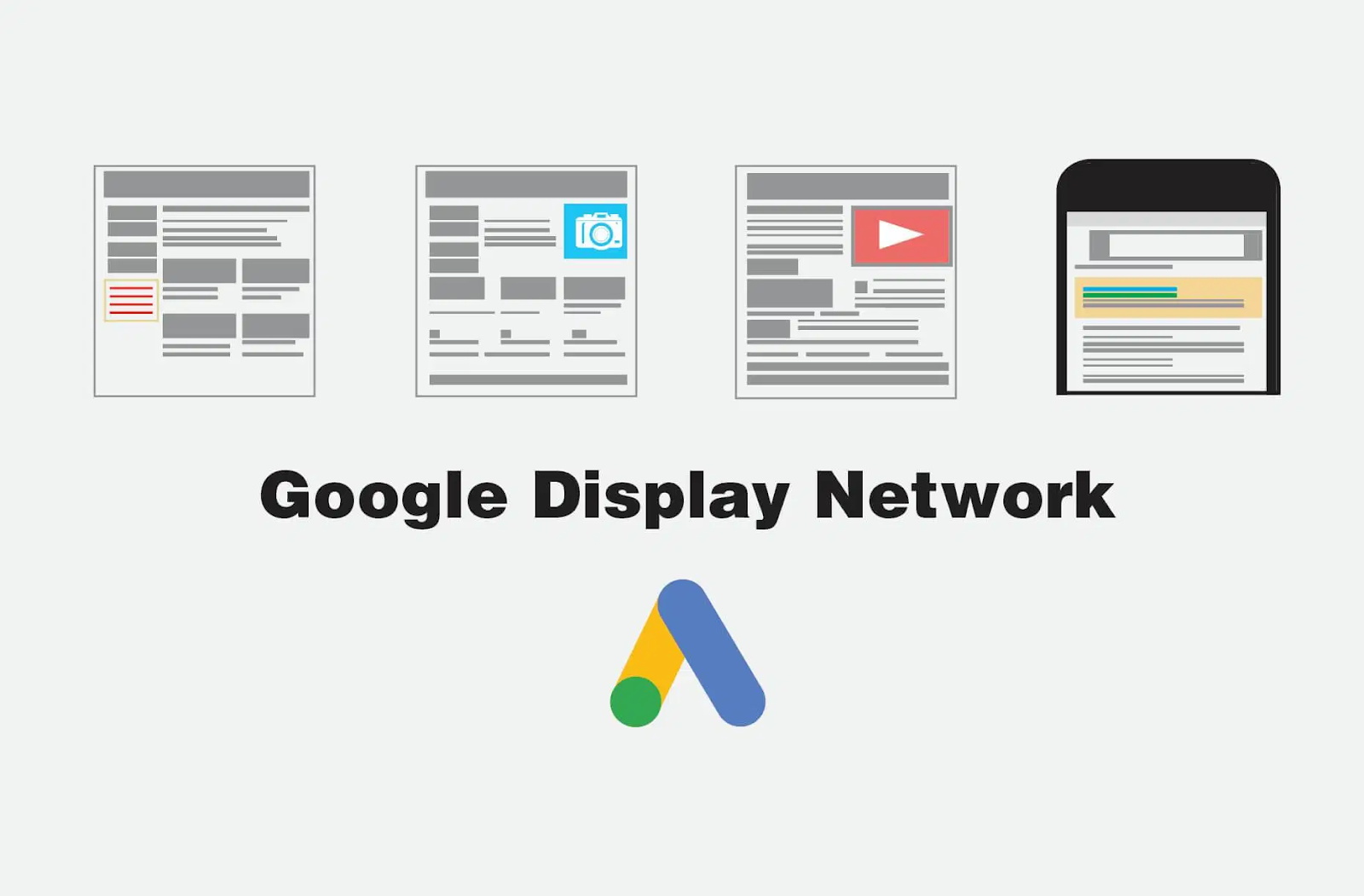
Image caption:
Contextual targeting on display networks reflects principles similar to For Your Business (FYB) advertising approaches.
Contextual targeting within display networks places ads alongside content related to selected themes or keywords. This method emphasizes relevance based on content environment rather than individual user profiles.
The approach demonstrates how context-driven placement aligns with FYB-style targeting philosophies.
LinkedIn Ads Industry Targeting
Image caption:
Professional network advertising illustrates targeted placement based on industry and role relevance.
LinkedIn Ads allow campaigns to target audiences based on professional attributes such as industry, company size, or job function. Ads appear within a professional context aligned with business messaging.
This model highlights how environment and audience alignment enhance message relevance.
Native Advertising Platforms
Insert image of the product
Image caption:
Native advertising platforms focus on blending ads into relevant content streams.
Native advertising systems place promotional content within editorial-style environments. Placement decisions prioritize thematic alignment to maintain coherence with surrounding content.
These platforms reflect FYB principles by emphasizing contextual fit over disruptive exposure.
Programmatic Advertising with Context Filters

Image caption:
Programmatic advertising tools increasingly use context filters to refine ad placement.
Programmatic systems often include brand safety and context filters to control where ads appear. These filters support targeted placement by excluding irrelevant or unsuitable environments.
This example illustrates how automation supports precision in advertising delivery.
Use Cases and Real-World Scenarios
In business-to-business marketing, FYB-style targeted platforms are often used to place ads within industry-specific publications or professional content hubs. This ensures that messaging reaches audiences already engaged with relevant topics.
Local businesses may use targeted advertising platforms to focus on geographic and contextual relevance. Ads appear in content environments associated with local interests or services, increasing alignment with audience needs.
Content-driven brands often rely on targeted placement to maintain narrative consistency. By appearing in environments that reflect similar values or themes, advertising supports brand storytelling without overwhelming audiences.
Frequently Asked Questions
What is For Your Business (FYB) as a targeted advertising platform?
It refers to an advertising approach focused on placing ads in highly relevant environments aligned with specific business objectives and audience characteristics.
How does targeted placement differ from broad advertising?
Targeted placement prioritizes relevance and context over maximum reach, aiming to reduce wasted impressions.
Does FYB-style advertising rely on user data?
It often uses a combination of contextual and behavioral data, with increasing emphasis on privacy-conscious methods.
Is targeted advertising suitable for all businesses?
Effectiveness depends on business goals, audience definition, and market context. Some objectives may benefit more from broad exposure.
How is success measured in targeted advertising platforms?
Performance is typically evaluated through engagement, relevance indicators, and contribution to broader marketing outcomes.
Neutral Conclusion
For Your Business (F, YB) as a targeted advertising platform, represents a strategic response to evolving digital marketing challenges. By emphasizing relevance, context, and alignment, this approach reflects broader shifts in how advertising value is defined and delivered.
While targeted platforms offer efficiency and improved audience alignment, they also introduce challenges related to data quality, privacy, and scale. Understanding these dynamics provides a balanced perspective on how FYB-style advertising solutions fit within modern marketing ecosystems, highlighting their role as one of many tools shaping the future of digital advertising.
