

Bigtargetmedia.com – In today’s digital ecosystem, visibility alone no longer guarantees business growth. Brands compete in crowded social platforms where organic reach continues to decline. This shift forces businesses to rely on paid social media services to reach the right audience, generate leads, and drive consistent revenue.
Paid social media advertising acts like a precision targeting system. Instead of broadcasting messages to everyone, businesses can deliver ads to specific audiences based on interests, behaviors, demographics, and intent signals. However, executing this effectively requires expertise, testing frameworks, and data-driven decision-making.
This is where paid social media services come into play. These services provide structured strategies that transform social platforms into predictable growth channels. Rather than guessing what works, marketers use performance data to guide every decision.
Understanding how these services operate allows businesses to scale efficiently without wasting advertising budget.
What Paid Social Media Services Actually Include
Campaign Setup and Strategic Planning

Every successful use of paid social media services begins with a structured campaign setup. This stage defines the foundation for all future performance.
Marketers first identify business objectives. Some campaigns aim to generate website traffic, while others focus on lead generation or direct sales. Each objective requires a different campaign structure.
Next, professionals build campaign architecture. They organize ad sets, define audience segments, and prepare creative variations. This structure allows advertisers to test multiple strategies simultaneously.
For example, a company offering home improvement services might target homeowners interested in renovation, real estate, or interior design. Each audience segment receives tailored messaging.
Strategic planning ensures campaigns launch with clear direction instead of random experimentation.
Creative Development and Messaging
Creative execution plays a major role in paid social media services. Even the most precise targeting fails if the ad creative does not capture attention.
Social platforms prioritize content that users engage with. Therefore, ads must blend naturally into the user experience while still delivering a clear message.
Effective creatives usually combine three elements: strong visuals, concise messaging, and a clear call-to-action.
Marketers often create multiple variations of the same ad. One version may focus on emotional storytelling, while another highlights product benefits or pricing.
Testing these variations reveals which creative resonates most with the audience.
Creative optimization becomes an ongoing process rather than a one-time task.
Why Businesses Need Paid Social Media Services
Declining Organic Reach
One of the main reasons businesses invest in paid social media services is the decline of organic reach.
Social media platforms prioritize content from friends, family, and high-engagement posts. Business content often receives limited visibility unless it generates strong interaction.
As a result, relying solely on organic posting rarely produces consistent results.
Paid advertising solves this problem by placing content directly in front of targeted users.
Instead of hoping audiences see a post, businesses guarantee exposure through paid distribution.
This shift transforms social media from an uncertain channel into a predictable marketing system.
Faster and Measurable Results

Another advantage of paid social media services involves speed and measurability.
Traditional marketing methods often require weeks or months to evaluate performance. In contrast, social media advertising provides real-time data.
Marketers can track impressions, clicks, conversions, and revenue almost instantly.
This data allows businesses to adjust campaigns quickly. If an ad performs well, marketers increase budget allocation. If performance drops, they modify targeting or creative elements.
This feedback loop accelerates growth while minimizing wasted spending.
Core Components of Paid Social Media Services
Audience Targeting and Segmentation
Audience targeting defines the success of paid social media services. Without precise targeting, campaigns waste budget reaching users who have no interest in the product.
Marketers analyze customer data to identify ideal audience segments. These segments may include age groups, locations, interests, purchasing behavior, and online activity.
For example, a business offering travel insurance might target frequent travelers, digital nomads, or individuals planning international trips.
Advanced targeting methods also include lookalike audiences. These audiences consist of users who share characteristics with existing customers.
By focusing on high-intent audiences, campaigns achieve higher conversion rates.
Conversion Tracking and Optimization
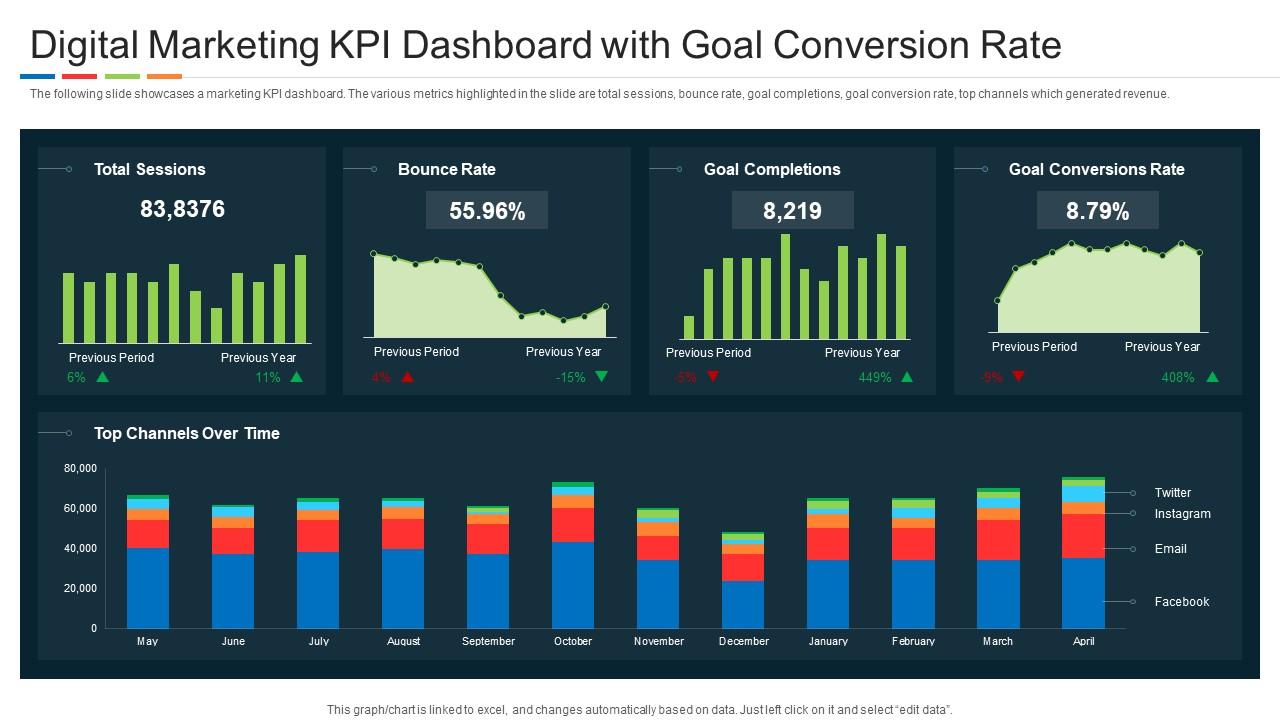
Conversion tracking represents the analytical backbone of paid social media services.
Marketers install tracking tools such as pixels or APIs on websites. These tools record user actions after clicking advertisements.
Actions may include purchases, form submissions, or product views.
This data reveals which campaigns generate actual business results rather than just clicks or impressions.
Optimization then becomes possible. Marketers adjust campaigns based on conversion data, focusing on strategies that produce measurable outcomes.
Over time, this process improves efficiency and profitability.
How Paid Social Media Services Scale Campaigns
Testing Frameworks and Iteration

Scaling success requires structured experimentation. This principle drives paid social media services.
Marketers rarely rely on a single campaign. Instead, they launch multiple variations with different creatives, audiences, and messaging angles.
Each variation produces performance data. Marketers analyze this data to identify winning combinations.
Once a winning strategy appears, they expand it across larger audiences.
This iterative process ensures campaigns evolve continuously.
Testing reduces guesswork and replaces it with data-driven decision-making.
Budget Scaling Strategies
Budget scaling represents a critical stage in paid social media services.
Marketers begin with small budgets to test performance. This approach minimizes risk while gathering valuable insights.
Once campaigns demonstrate consistent results, marketers gradually increase spending.
Scaling must occur carefully. Increasing the budget too quickly can disrupt campaign performance.
Experienced marketers monitor cost-per-conversion metrics during scaling phases.
This ensures that growth remains profitable rather than wasteful.
Choosing the Right Paid Social Media Services Provider
Evaluating Expertise and Strategy
Selecting the right provider for paid social media services requires careful evaluation.
Businesses should examine the provider’s experience, case studies, and strategic approach. Agencies with proven results often demonstrate consistent performance across multiple industries.
Transparency also matters. A reliable provider explains campaign strategies clearly and provides detailed reporting.
Clear communication ensures that businesses understand how advertising investments translate into results.
Building a Long-Term Growth Partnership
The most effective use of paid social media services comes from long-term collaboration.
As campaigns run over time, marketers collect valuable data about audience behavior and preferences.
This data allows for continuous improvement. Campaigns become more efficient, targeting becomes more precise, and creative strategies evolve.
Long-term partnerships create stability and consistent growth.
Businesses that invest in sustained advertising strategies often outperform competitors who rely on short-term campaigns.
Conclusion
Paid social media services provide a structured and data-driven approach to modern digital marketing. They transform social platforms into scalable growth channels through precise targeting, creative testing, and continuous optimization.
Businesses that adopt these services gain the ability to reach the right audience, measure performance accurately, and scale campaigns efficiently.
In a competitive digital landscape, relying on guesswork is no longer enough. Leveraging paid social media services allows companies to build predictable marketing systems that drive consistent traffic, leads, and revenue.
