
Bigtargetmedia.com – A paid social media service has become one of the most essential tools for businesses that want to grow in a competitive digital environment. Social platforms such as Facebook, Instagram, TikTok, LinkedIn, and X host billions of users, yet organic reach alone rarely delivers consistent results. Brands now rely on paid strategies to ensure their message reaches the right audience.
A paid social media service acts like a precision engine. Instead of broadcasting content randomly, it delivers highly targeted advertisements to users based on behavior, interests, and intent. This approach transforms social media into a predictable growth channel rather than an uncertain marketing experiment.
Many businesses attempt to run ads independently. However, without a proper strategy, campaigns often waste budget and produce inconsistent results. A structured paid social media service solves this problem by combining strategy, data, and continuous optimization.
To understand its true value, we need to explore how it works, what it includes, and how it drives measurable business outcomes.
What a Paid Social Media Service Actually Does
Campaign Setup and Strategic Foundation
Every effective paid social media service begins with a strong strategic foundation. Campaign setup is not just about launching ads; it involves designing a structured system that supports long-term performance.
Marketers first define the campaign objective. Some campaigns focus on brand awareness, while others aim to generate leads or drive direct sales. Each objective requires a different setup.
Next, they create campaign architecture. This includes organizing ad sets, defining audience segments, and preparing multiple creative variations.
For example, a business promoting home renovation services may target homeowners interested in property upgrades, interior design, or real estate investments.
This structured approach ensures that campaigns start with clear direction and measurable goals.
Creative Development and Messaging Strategy
Creative execution plays a critical role in a paid social media service. Even with perfect targeting, ads will fail if they do not capture attention.
Social media users scroll quickly. Ads must interrupt that behavior by delivering compelling visuals and clear messaging within seconds.
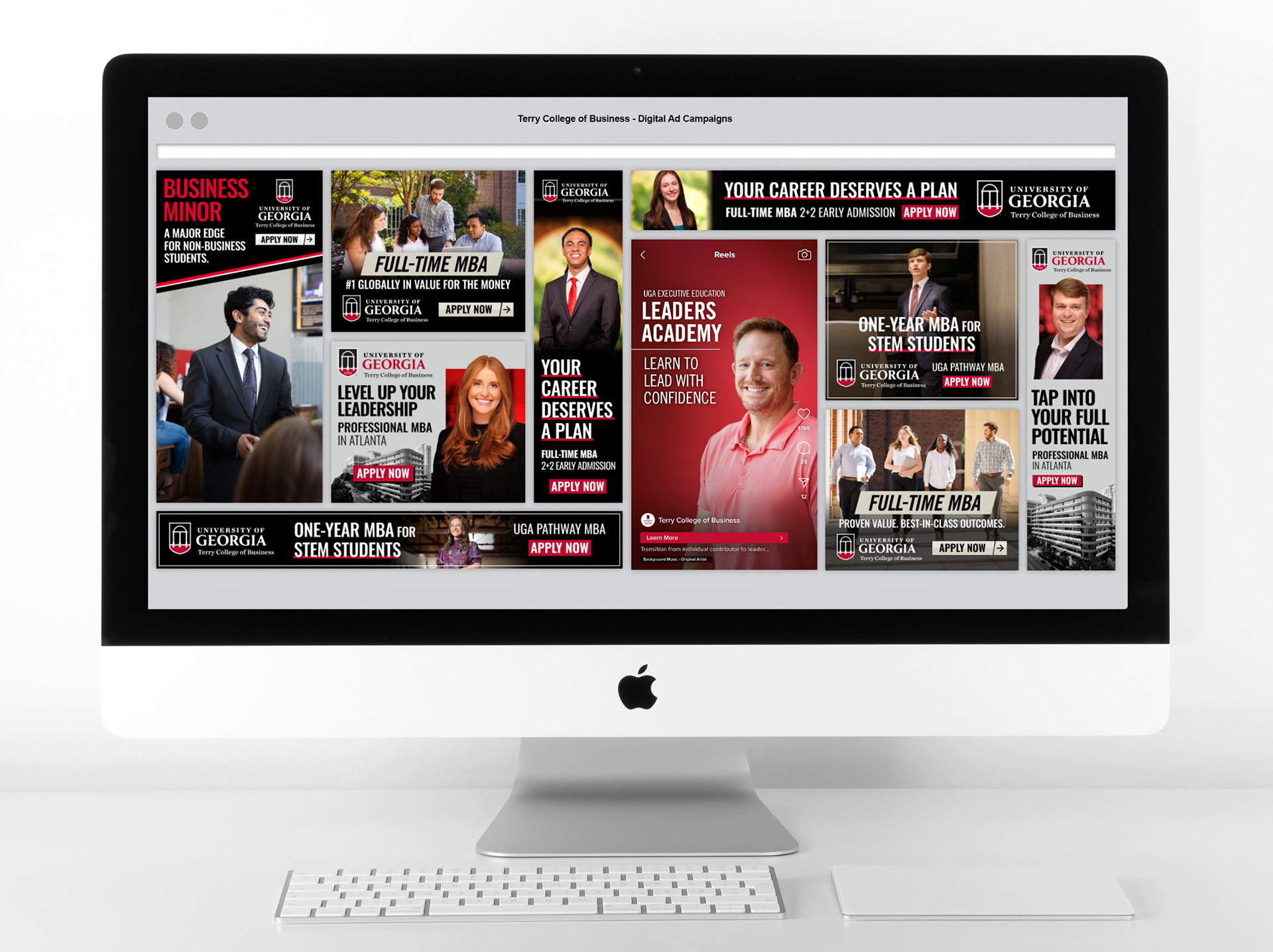
Marketers create multiple creative versions to test different approaches. One version may focus on emotional storytelling, while another emphasizes product benefits or urgency.
This process is known as creative testing. It allows marketers to identify which message resonates most with the audience.
Over time, successful creatives become the foundation for scaling campaigns.
Why Businesses Need a Paid Social Media Service
Overcoming Declining Organic Reach
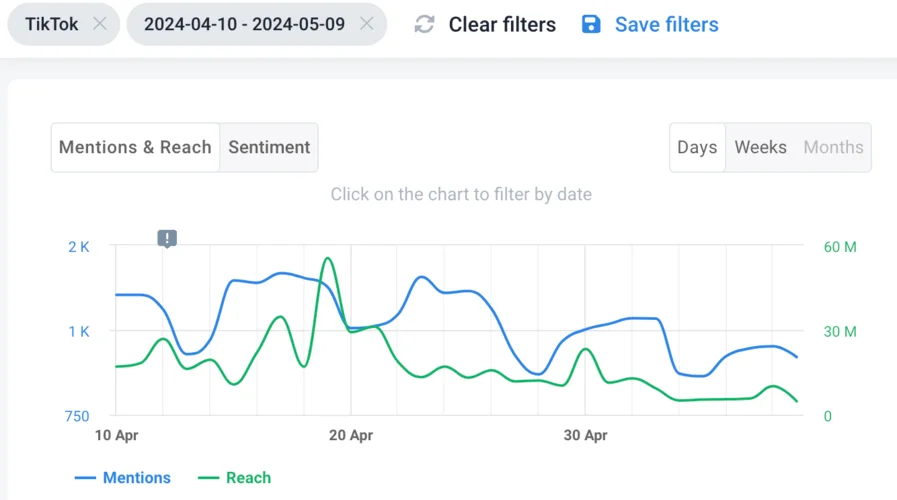
One of the main reasons businesses adopt a paid social media service is the decline in organic reach.
Social media platforms prioritize content that generates high engagement or comes from personal connections. Business posts often struggle to reach a large audience without paid promotion.
As a result, relying on organic strategies alone limits growth potential.
Paid advertising solves this challenge by placing content directly in front of targeted users.
Instead of hoping for visibility, businesses gain control over distribution.
Achieving Faster and Measurable Results

A paid social media service provides immediate feedback through real-time data.
Marketers track impressions, clicks, conversions, and revenue as campaigns run. This data-driven approach allows for quick decision-making.
If a campaign performs well, marketers increase budget allocation. If performance declines, they adjust targeting or creative elements.
This feedback loop accelerates growth while minimizing wasted spending.
Compared to traditional marketing, paid social advertising offers faster insights and more precise control.
Core Components of a Paid Social Media Service
Audience Targeting and Segmentation
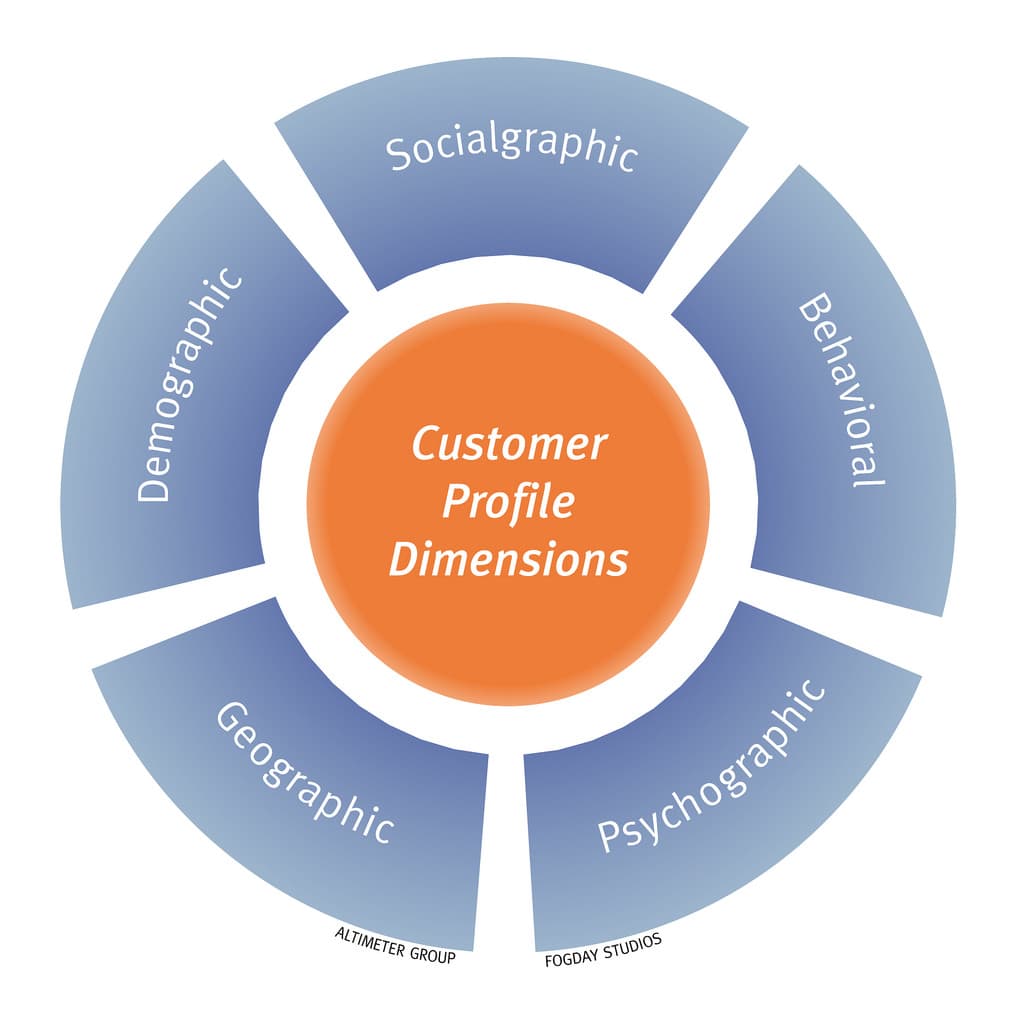
Audience targeting defines the effectiveness of a paid social media service.
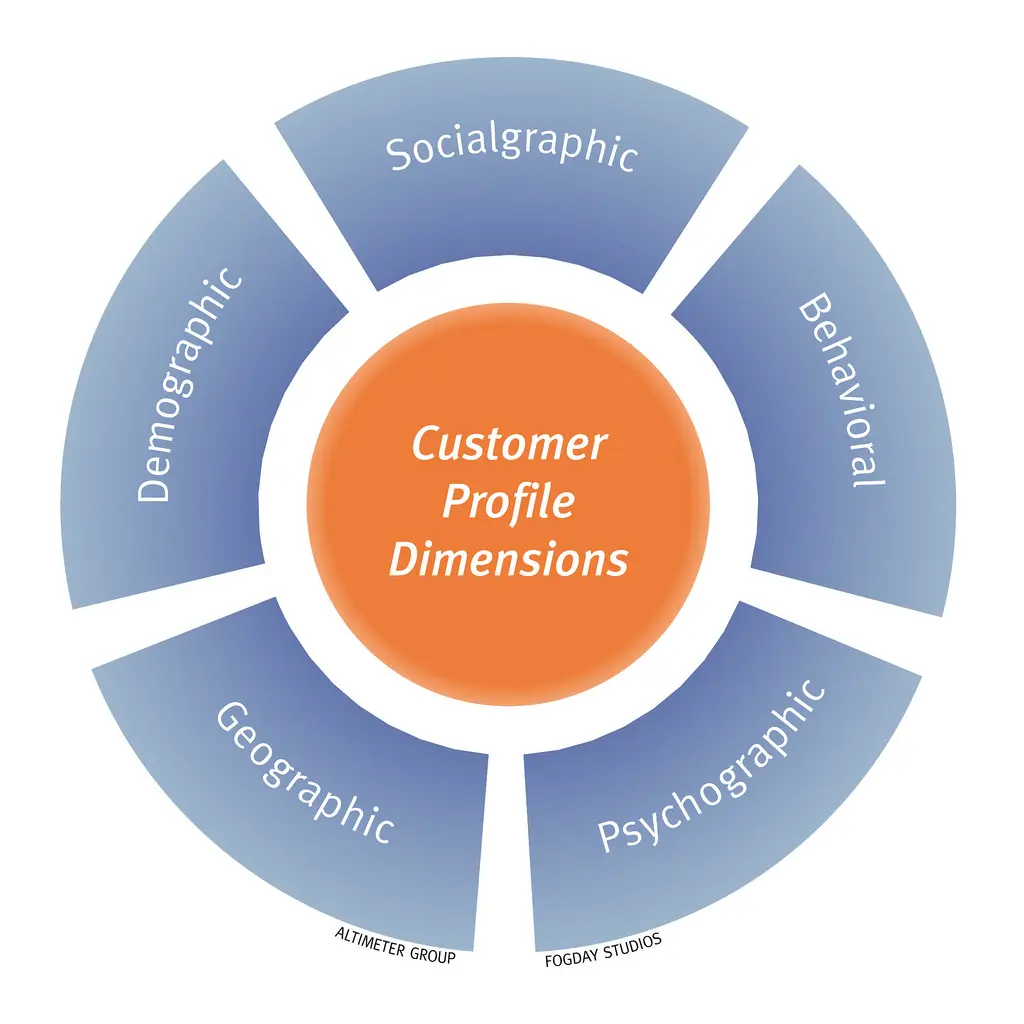
Marketers analyze customer data to identify ideal audience segments. These segments may include demographics, interests, behaviors, and purchasing patterns.
For example, a travel agency may target users interested in luxury vacations, international travel, or honeymoon destinations.
Advanced strategies include lookalike audiences, which allow marketers to reach users similar to existing customers.
Precise targeting ensures that the advertising budget focuses on high-intent users.
Conversion Tracking and Data Optimization
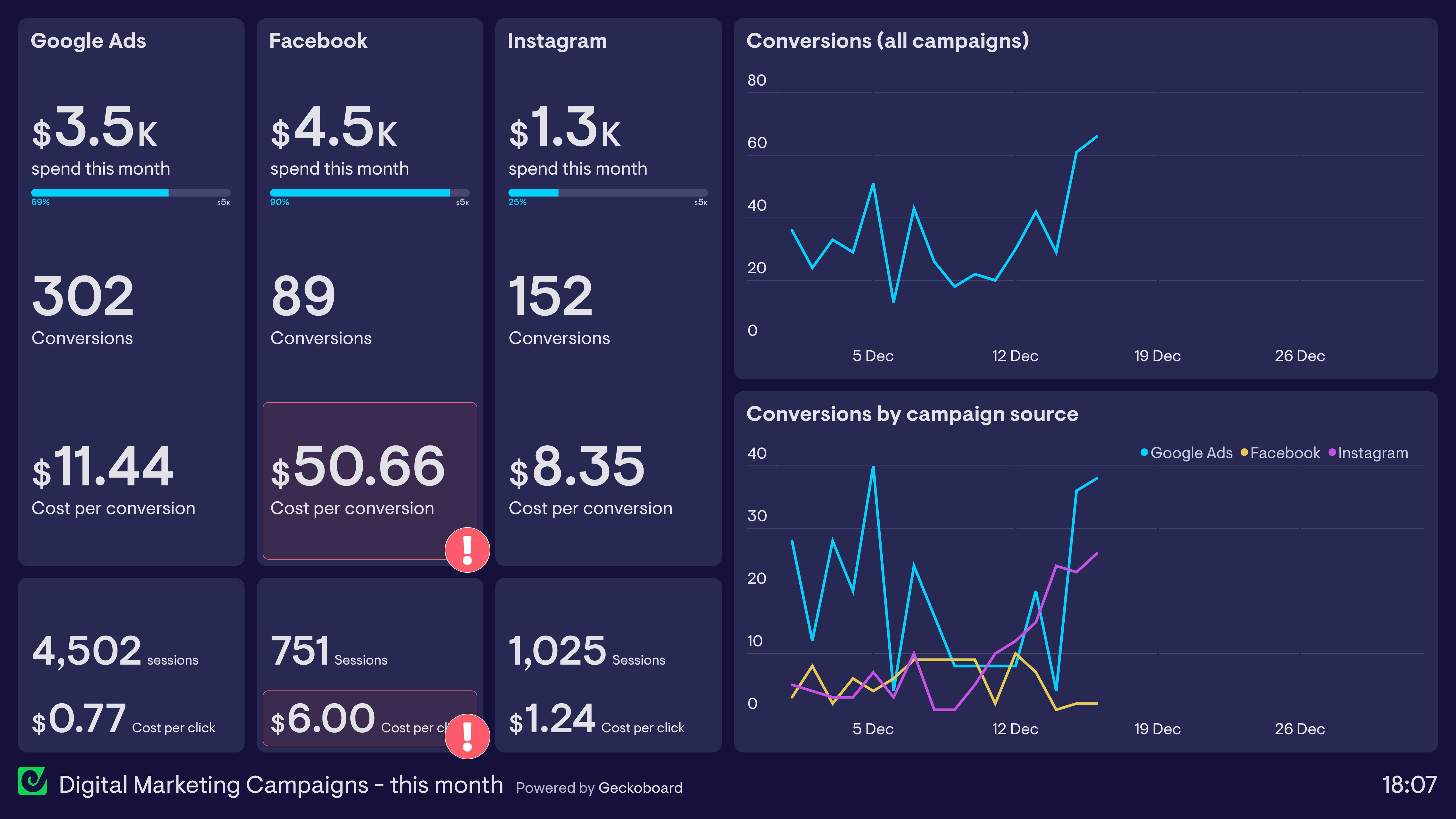
Data tracking forms the backbone of a paid social media service.
Marketers install tracking tools that record user actions after clicking ads. These actions may include purchases, sign-ups, or inquiries.
This data reveals which campaigns generate real business results.
Optimization follows naturally. Marketers adjust campaigns based on performance data, focusing on strategies that produce the highest return.
Over time, this process increases efficiency and profitability.
How a Paid Social Media Service Scales Campaigns
Testing and Continuous Improvement
Scaling requires structured testing. A paid social media service uses experimentation to identify winning strategies.
Marketers launch multiple campaign variations simultaneously. Each variation tests a different audience, creative, or message.
Performance data reveals which combination works best.
Once a winning strategy appears, marketers expand it across larger audiences.
This iterative process ensures continuous improvement.
Budget Scaling and Profitability
Budget scaling represents a crucial stage in a paid social media service.
Marketers start with small budgets to test performance. This approach reduces risk while gathering data.
After identifying profitable campaigns, they gradually increase spending.
Scaling must remain controlled. Rapid budget increases can disrupt campaign performance.
Experienced marketers monitor cost-per-conversion metrics to maintain profitability.
Choosing the Right Paid Social Media Service Provider
Evaluating Expertise and Proven Results
Selecting the right provider for a paid social media service requires careful evaluation.
Businesses should review case studies, past performance, and strategic approach.
An experienced provider demonstrates consistent results across different industries.
Transparency also matters. Providers should explain strategies clearly and provide detailed reporting.
This ensures businesses understand how their investment translates into measurable outcomes.
Building Long-Term Growth Partnerships
The most effective use of a paid social media service comes from long-term collaboration.
As campaigns run over time, marketers collect valuable insights about audience behavior and preferences.
These insights allow for continuous refinement of targeting and creative strategies.
Long-term partnerships create stability and sustainable growth.
Businesses that invest consistently in paid social strategies often outperform competitors.
Conclusion
A paid social media service transforms social platforms into powerful marketing engines. Through strategic planning, audience targeting, creative testing, and data optimization, businesses can drive consistent traffic, leads, and revenue.
Instead of relying on unpredictable organic reach, companies gain control over their marketing outcomes.
In a competitive digital landscape, using a structured paid social media service allows businesses to scale efficiently, reach the right audience, and achieve measurable growth.
