


Bigtargetmedia.com – Multilingual seo services have become essential for any business that wants to grow beyond a single market. Expanding a website into multiple languages is not just about translation. It requires a strategic system that aligns language, culture, search behavior, and technical structure into one unified SEO framework.
If you treat multilingual SEO as simple translation, your website will struggle to rank. If you approach it like a system, you unlock global visibility, targeted traffic, and scalable growth.
This guide explains exactly how multilingual SEO services work, how experts implement them, and how you can apply the same principles.
What Multilingual SEO Services Actually Mean
To understand multilingual SEO services, you need to look deeper than language conversion.
Translation vs Localization vs Optimization
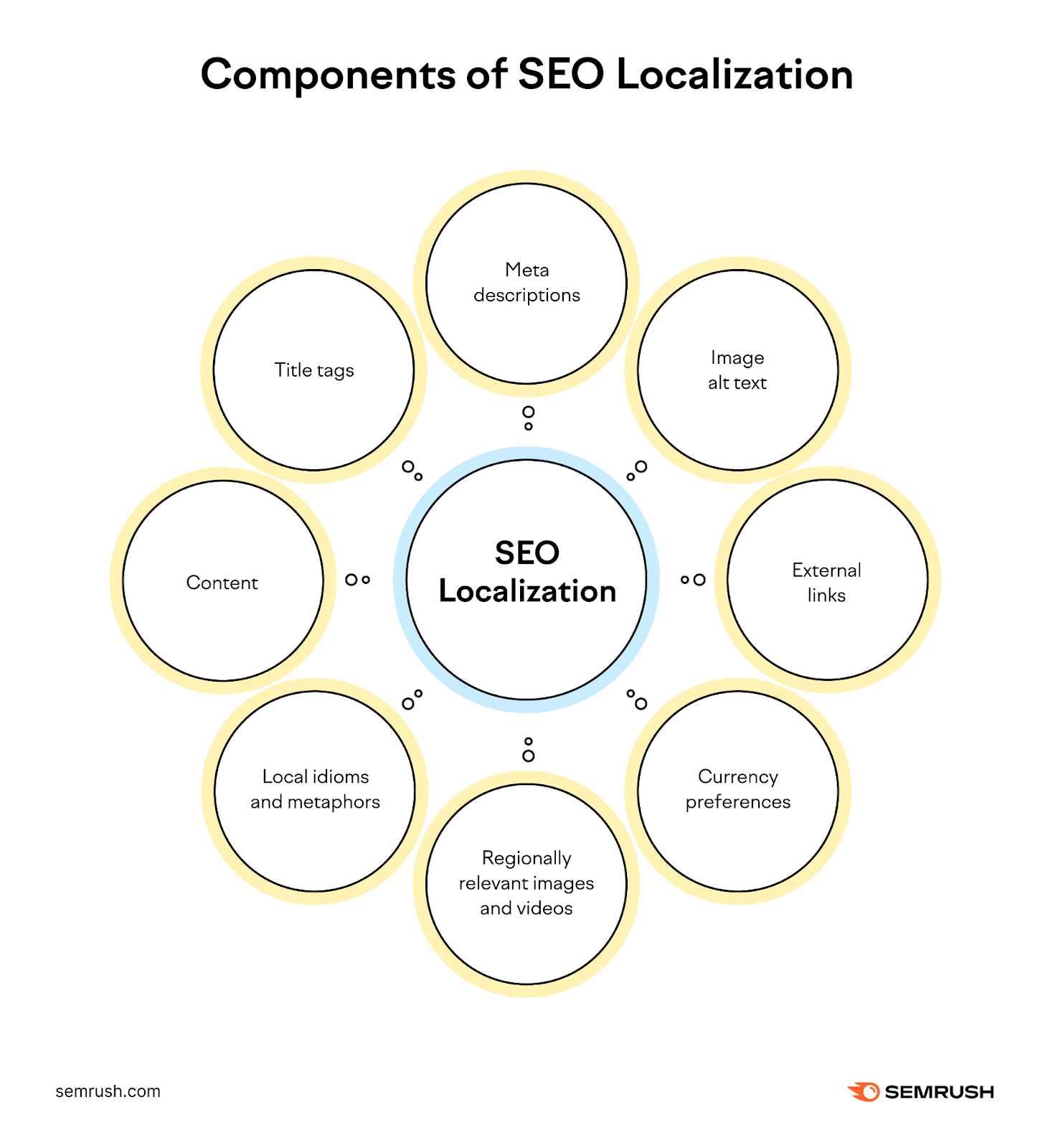
Translation converts words from one language to another. Localization adapts content to the cultural context. Optimization ensures that content ranks in search engines.
Multilingual SEO services combine all three. They ensure that your content is not only readable but also discoverable and relevant in each target market.
Why Direct Translation Fails in SEO
Search behavior changes across regions.
For example, users in different countries may search for the same product using completely different phrases. A direct translation often ignores these variations.
Multilingual SEO services solve this by performing keyword research in each language and aligning content accordingly.
Core Components of Multilingual SEO Services
A strong multilingual strategy relies on several interconnected components.
Technical Structure and Hreflang Implementation

Technical structure determines how search engines understand your multilingual website.
Multilingual SEO services implement hreflang tags to signal language and regional targeting. They also define URL structures such as subdirectories, subdomains, or country-specific domains.
A correct setup prevents duplicate content issues and ensures that users see the right version of your site.
Keyword Research for Each Language
Keyword research must be conducted separately for each language.
Multilingual SEO services analyze local search patterns. They identify how users actually search, not how words translate.
This approach ensures that content aligns with real demand in each market.
Content Localization and Optimization
Content must feel native to the target audience.
Multilingual SEO services adapt tone, examples, and messaging to match cultural expectations. They also optimize headings, meta tags, and internal structure.
This creates content that both users and search engines trust.
How Multilingual SEO Services Build Global Visibility
A website becomes globally visible when all components work together.
Structuring a Scalable International Website
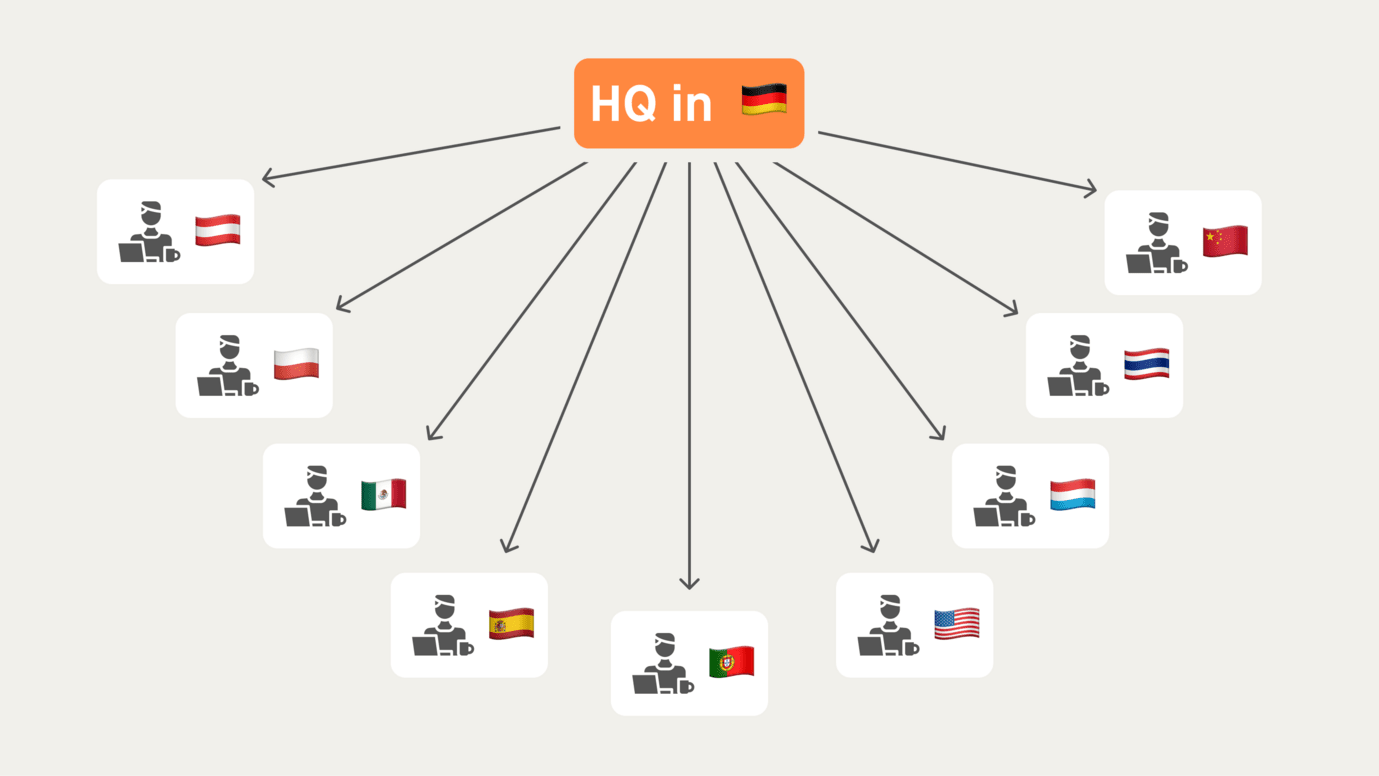
Multilingual SEO services design a structure that scales.
They organize content by language and region while maintaining consistency. This allows new markets to be added without disrupting existing performance.
Building Authority in Multiple Regions
Authority must be built locally.
Multilingual SEO services develop backlinks and signals within each target region. This strengthens credibility in local search engines.
Aligning User Experience Across Languages
User experience influences rankings.
Multilingual SEO services ensure that navigation, language switching, and content flow feel natural. A seamless experience increases engagement and reduces bounce rates.
Step-by-Step Process Used in Multilingual SEO Services
Understanding the workflow helps you see how experts operate.
Step 1: Market and Language Analysis

Experts identify which markets to target.
They analyze demand, competition, and search behavior to prioritize opportunities.
Step 2: Technical Setup and Structure
They implement the technical foundation.
This includes URL structure, hreflang tags, and indexing configuration.
Step 3: Content Creation and Localization
Content is created or adapted for each market.
Experts ensure that it aligns with both language and search intent.
Step 4: Continuous Optimization and Monitoring
Performance is monitored continuously.
Multilingual SEO services refine strategies based on data, ensuring ongoing improvement.
Common Challenges in Multilingual SEO Services
Even strong strategies can fail if challenges are ignored.
Duplicate Content Issues
Without proper hreflang implementation, search engines may see multilingual pages as duplicates.
Misaligned Keywords
Direct translation often leads to targeting the wrong keywords.
Cultural Miscommunication
Content that feels unnatural reduces trust and engagement.
Multilingual SEO services address these challenges with structured solutions.
Real-World Example of Multilingual SEO Services
Consider a business expanding into three new countries.
They translate their website, but see no traffic growth.
After implementing multilingual SEO services, they restructure URLs, perform local keyword research, and optimize content.
Within months, rankings improve in each region. Traffic increases, and engagement rises.
This example shows that success depends on strategy, not translation alone.
Conclusion: Why Multilingual SEO Services Are Essential
Multilingual seo services provide the framework needed to expand a website into global markets effectively.
They combine technical setup, localized content, and strategic optimization into a unified system. They ensure that each version of your website performs independently while contributing to overall growth.
When implemented correctly, multilingual SEO services turn a single-language website into a scalable global platform that attracts, engages, and converts audiences worldwide.
