


Bigtargetmedia.com – Understanding how to get traffic from Google search starts with recognizing how Google actually works. Google does not randomly send visitors to websites; it connects users with the most relevant, useful, and trustworthy content based on their search intent. If your content aligns with what users are searching for, Google rewards you with visibility. If it does not, your pages remain invisible.
Think of Google as a librarian managing billions of books. When someone asks a question, the librarian does not pick a random book—he selects the one that answers the question best. Your job is to make your content the most helpful “book” for specific queries.
This guide will walk you step by step, like a mentor, through the exact system behind how to get traffic from Google search in a structured and sustainable way.
Understanding Search Intent as the Core of Google Traffic
Before optimizing anything, you must understand why people search.
Identifying User Intent Behind Every Keyword
Every search carries intent. Users may want to learn, compare, or take action. If your content mismatches that intent, Google will not rank it highly.
For example, someone searching “best budget laptops” expects comparisons and recommendations, not a technical manual. When your content matches the expectation, users stay longer, and Google interprets that as relevance.
Mastering this concept forms the foundation of how to get traffic from Google search effectively.
Aligning Content Structure with Search Expectations
Once you identify intent, structure your content accordingly. Informational searches require explanations, while transactional searches need clear solutions and calls to action.
A well-structured page guides users naturally. It answers questions in sequence and eliminates confusion. This clarity increases engagement, which directly impacts rankings.
Keyword Strategy That Drives Targeted Traffic
Keywords act as the connection between your content and user queries.
Targeting Long-Tail Keywords for Faster Ranking
Long-tail keywords are specific phrases with clear intent. They often face less competition, making them ideal for new or small websites.
Instead of targeting broad terms, focus on phrases like “how to improve website speed for beginners.” These keywords attract users who know exactly what they want.
This approach accelerates your progress in learning how to get traffic from Google search without competing against established giants.
Using Semantic Keywords to Strengthen Relevance
Google understands context, not just exact keywords. Semantic keywords help reinforce your topic.
For example, if your main topic involves SEO, related terms like “ranking factors,” “organic traffic,” and “search visibility” strengthen your content.
This natural expansion improves relevance and increases your chances of ranking for multiple queries.
Creating High-Quality Content That Google Prioritizes
Content quality determines whether Google promotes your page or ignores it.
Writing Comprehensive and Valuable Content
High-quality content solves problems completely. It does not just touch the surface; it provides clarity, depth, and actionable insight.
When users find everything they need in one place, they stay longer and engage more. These signals tell Google your content deserves higher visibility.
A practical mindset helps here: write as if you are teaching someone who depends on your explanation.
Updating Content to Maintain Freshness
Google prefers content that remains relevant. Regular updates ensure accuracy and improve performance.
Refreshing outdated sections, adding new insights, and improving clarity can boost rankings without creating new pages.
Consistency in updates supports long-term success in getting traffic from Google search.
On-Page SEO Optimization for Better Rankings
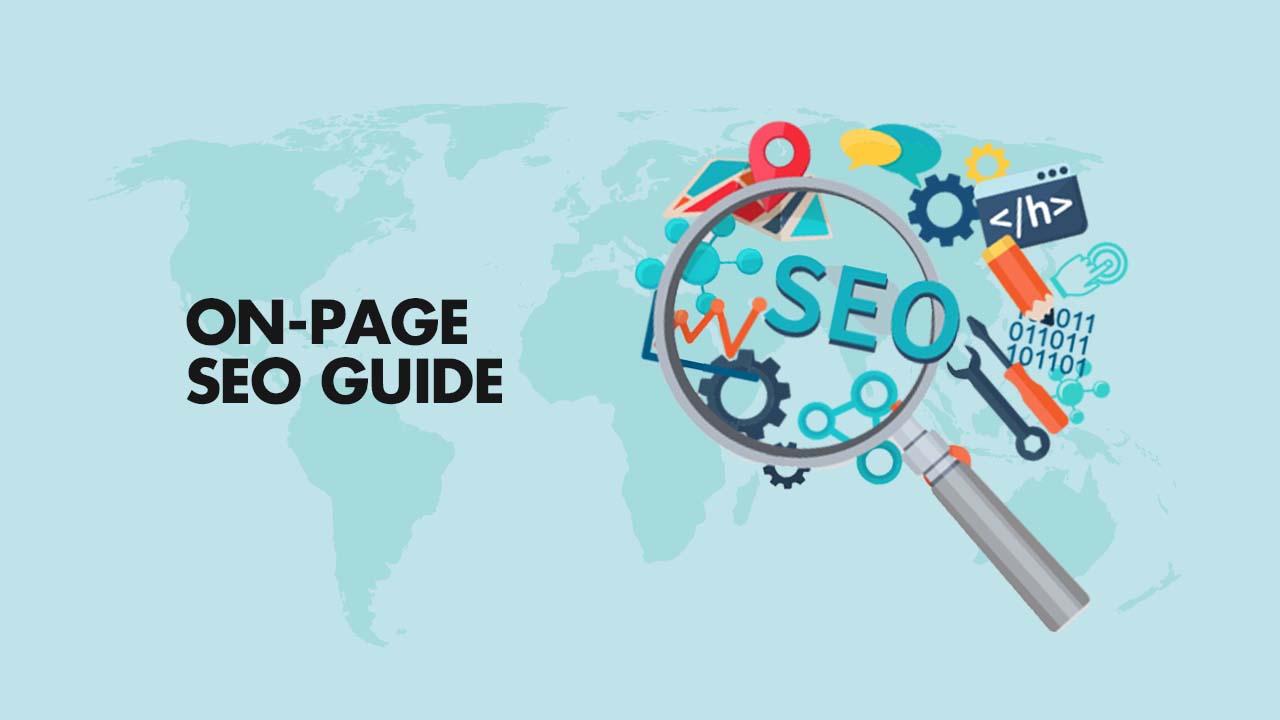
On-page SEO ensures Google understands your content clearly.
Optimizing Titles, Headings, and Meta Tags
Your title acts as the first signal to both users and search engines. It must clearly describe the content while attracting clicks.
Headings organize your content logically. They guide readers and help Google interpret your page structure.
Meta descriptions, while not a ranking factor, influence click-through rates. A compelling description increases the likelihood of users choosing your page.
Improving Internal Linking for Content Discovery
Internal links connect your pages into a cohesive network. They help users explore more content and allow Google to crawl your site efficiently.
When related pages link to each other, authority spreads across your website. This strengthens overall visibility and increases traffic potential.
Technical SEO That Supports Google Visibility
Even the best content struggles without proper technical support.
Enhancing Website Speed and Mobile Performance
Speed influences both user experience and rankings. Slow websites frustrate users and lead to higher bounce rates.
Optimizing images, using efficient hosting, and minimizing unnecessary scripts improve performance.
Mobile responsiveness also plays a crucial role. Most users access content via mobile devices, so your site must function seamlessly across screens.
Ensuring Proper Indexing and Crawlability
Google must access and understand your pages before ranking them. Proper indexing ensures your content appears in search results.
Submitting a sitemap and avoiding broken links improves crawl efficiency. Clean site architecture helps search engines navigate your content easily.
Building Authority Through Backlinks
Authority signals influence how Google evaluates your site.
Earning Quality Backlinks from Relevant Sources
Backlinks act as endorsements. When reputable sites link to your content, Google views your site as trustworthy.
Focus on earning links naturally by creating valuable content. Outreach and collaboration also help expand your reach.
Quality matters more than quantity. A few strong backlinks outperform many weak ones.
Strengthening Brand Signals and Credibility
Google considers brand presence as part of authority. Consistent mentions, positive user engagement, and recognizable branding contribute to trust.
As your brand grows, your content gains more visibility and credibility, reinforcing your ability to attract traffic.
Monitoring Performance and Continuous Optimization
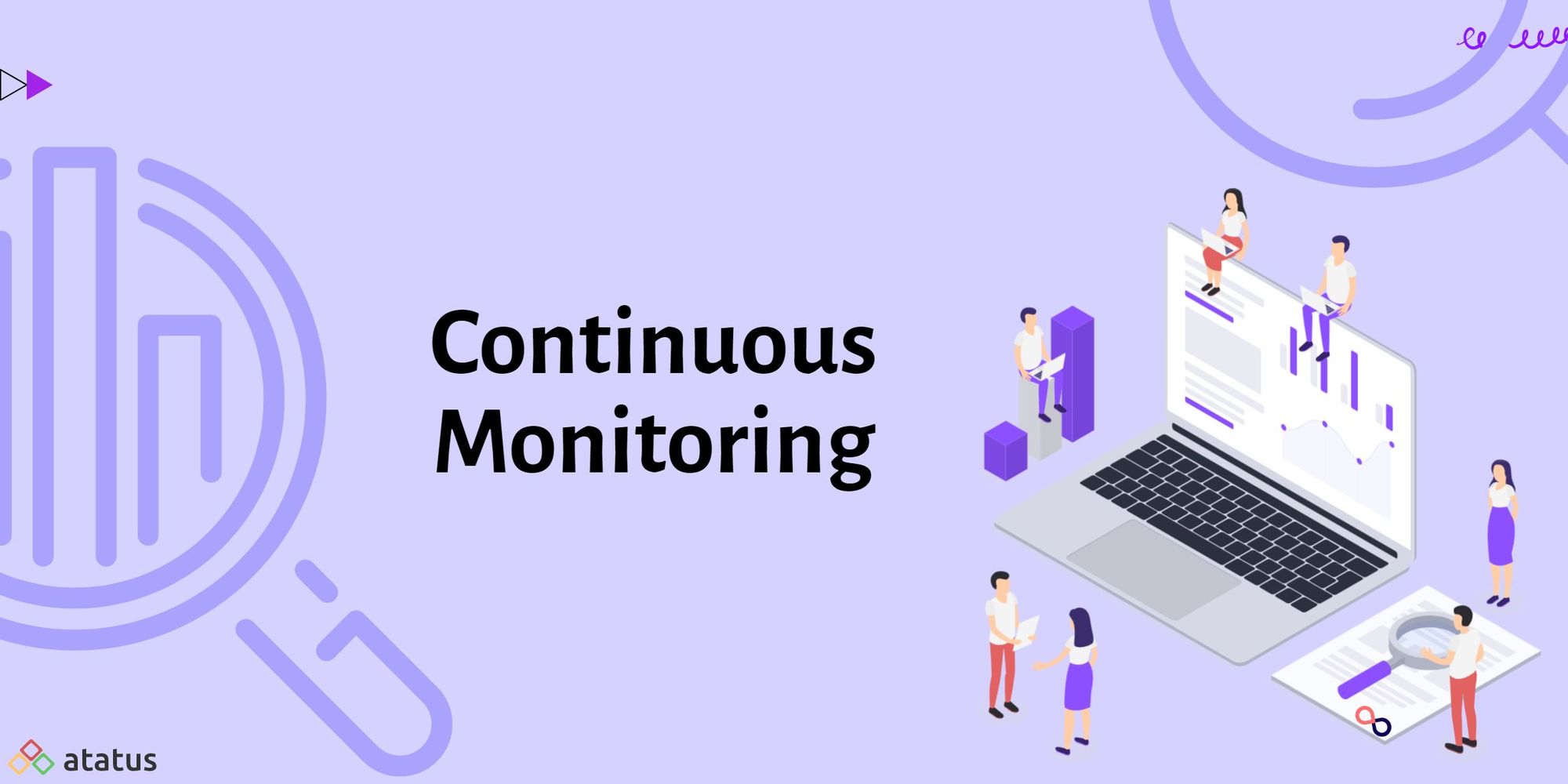
Traffic growth requires ongoing refinement.
Analyzing Data to Identify Opportunities
Data reveals patterns. It shows which pages attract traffic and which need improvement.
By analyzing user behavior, you can identify gaps and optimize accordingly. This process ensures steady progress.
Scaling What Works for Sustainable Growth
When a strategy performs well, expand it. Create similar content, target related keywords, and strengthen successful pages.
At the same time, refine weaker areas. This balanced approach ensures continuous improvement.
Over time, consistent optimization transforms your site into a reliable traffic source.
Kesimpulan
How to get traffic from Google search depends on aligning your content with user intent, optimizing for search engines, and maintaining consistent improvement. Strong keyword strategy, high-quality content, effective on-page optimization, solid technical performance, and authority building all work together as one system.
When you apply these principles with discipline, traffic becomes predictable rather than uncertain. Each improvement strengthens your visibility, and each piece of content adds to your momentum.
By mastering how to get traffic from Google search, you build a sustainable foundation that continuously attracts visitors and supports long-term growth.
