


Bigtargetmedia.com – Understanding how to create a website for beginners often feels complicated at first. Many people imagine that building a website requires advanced coding knowledge, complex software, or professional developers. In reality, modern tools allow beginners to create functional and professional websites with a structured learning approach.
A website functions like a digital building on the internet. The domain name acts as the address, hosting acts as the land where the building stands, and the design becomes the structure that visitors see when they enter. When these components work together, anyone can create a website that shares information, sells products, or builds an online presence.
Learning how to create a website for beginners requires understanding a few essential steps. You must choose a domain name, select reliable hosting, install a website platform, design the structure, create meaningful content, and publish the site so visitors can access it.
When beginners approach these steps in the correct order, the entire process becomes clear and manageable.
Understand the Fundamental Components of a Website
Before building a website, beginners must understand the basic elements that make a website function.
Learn the Roles of Domain, Hosting, and Website Platform
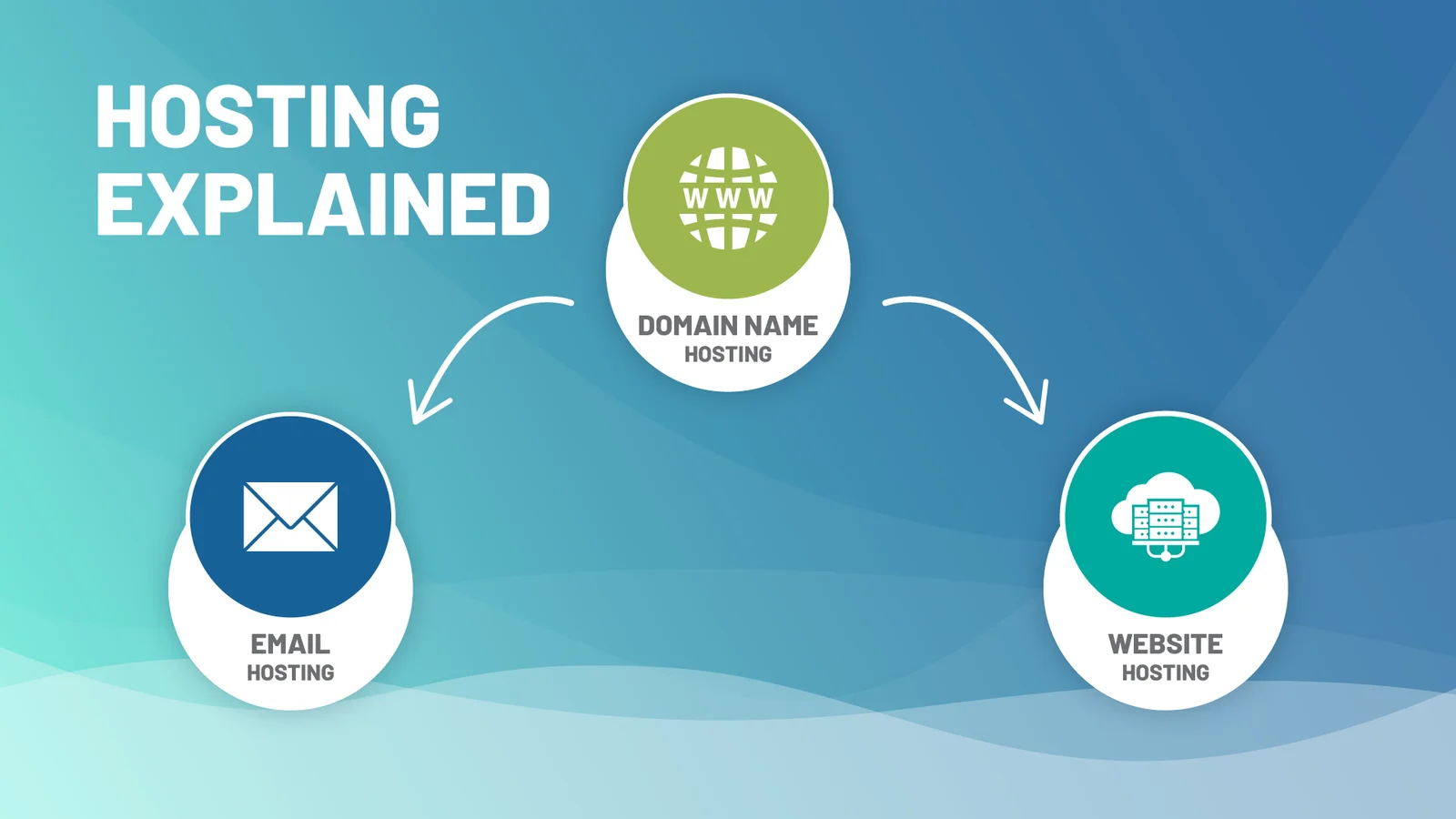
Anyone learning how to create a website for beginners must first understand three essential components: the domain name, web hosting, and the website platform.
The domain name acts as the internet address that visitors type into their browsers. Examples include addresses such as example.com or myblog.net. A domain name should remain simple, memorable, and relevant to the website’s purpose.
Web hosting provides the server space where all website files are stored. When someone visits the domain, the hosting server delivers the website pages to the visitor’s browser.
The website platform represents the system that allows users to design and manage the website without complex programming. Platforms such as content management systems allow beginners to add pages, publish articles, and modify layouts easily.
Imagine building a physical house. The land represents hosting, the street address represents the domain name, and the architectural design represents the platform that shapes the building. Each element must work together for the house to exist.
Once beginners understand these components, the concept of building a website becomes far easier to grasp.
Choose the Right Domain Name and Hosting Service
The next stage in creating a website for beginners involves selecting a suitable domain and hosting provider.
Select a Domain Name That Reflects Your Website’s Purpose
A good domain name helps visitors remember and recognize the website easily. Beginners should choose names that remain short, clear, and easy to spell.
For example, a blog about travel might choose a name that reflects exploration or destinations. A business website may use the company name as the domain.
Avoid complicated words or long phrases because visitors may struggle to remember them. Simplicity improves accessibility and branding.
After selecting the domain name, beginners must choose a hosting service that provides reliable performance. Reliable hosting ensures that the website loads quickly and remains accessible to visitors at all times.
Think of hosting as the infrastructure that supports the website. A weak foundation leads to unstable performance, while a strong foundation allows the website to grow smoothly.
Selecting the right hosting and domain combination, therefore,e forms a crucial step in creating a website for beginners.
Install a Website Platform and Set Up the Site Structure
Once the domain and hosting become active, beginners must install the platform that will manage the website.
Use a Content Management System to Build Pages Easily

A content management system allows beginners to create and manage websites without writing complex code. These platforms provide dashboards where users can create pages, publish articles, and control design elements.
Learning how to create a website for beginners becomes easier because the platform handles many technical tasks automatically. Beginners only need to focus on content and layout.
After installing the platform, the next step involves organizing the structure of the website. Most websites include several basic pages such as a homepage, an about page, and a contact page.
The homepage introduces visitors to the website’s purpose. The about page explains who created the website and what information it provides. The contact page allows visitors to communicate with the website owner.
Think of the website structure as the layout of rooms inside a building. Each room serves a specific function and guides visitors through the space logically.
When the structure becomes clear, visitors can navigate the website easily.
Design the Website Layout for Clarity and Usability
Design plays a critical role in how visitors experience a website. Good design improves readability and navigation.
Choose a Simple Theme and Customize the Appearance
Beginners exploring how to create a website for beginners should focus on simple and clean designs rather than complex layouts. A well-designed website helps visitors find information quickly.
Website platforms usually provide themes or templates that control the visual appearance of the site. Beginners can install these themes and customize colors, fonts, and layouts.
Readable fonts, balanced spacing, and organized menus improve usability. Visitors should understand how to move between pages without confusion.
Imagine entering a well-organized library where books appear clearly labeled and arranged. Visitors feel comfortable exploring such environments. A well-designed website creates the same experience for online visitors.
Clear design strengthens visitor engagement and encourages them to stay longer on the website.
Create Content That Explains Your Purpose Clearly
Content represents the core reason why visitors come to a website.
Write Pages and Articles That Provide Value
Anyone learning how to create a website for beginners must understand that content determines the success of the website. Visitors search for information, solutions, or inspiration, and content provides those answers.
Website owners should write pages that explain their services, ideas, or expertise clearly. Blog articles can expand the website by addressing specific questions related to the website’s topic.
Clear headings, short paragraphs, and logical explanations improve readability. Visitors appreciate content that delivers information quickly and clearly.
Think of content as the knowledge stored within the website. Without meaningful content, even the most beautiful design will not attract visitors.
Therefore, beginners should focus on creating useful and informative material that serves their audience.
Publish and Maintain the Website Consistently
The final stage of how to create a website for beginners involves publishing the site and maintaining it regularly.
Update Content and Monitor Website Performance

Publishing the website makes it accessible to internet users. However, website creation does not end at publication.
Beginners should monitor how the website performs and update content regularly. New articles, updated information, and improved design keep the website relevant.
Search engines also prefer websites that update their content consistently. Fresh information signals that the website remains active and valuable.
Think of a website as a growing knowledge center. Continuous updates expand the collection of information available to visitors.
Maintaining the website, therefore,e ensures long-term growth and effectiveness.
Conclusion
Learning how to create a website for beginners becomes manageable when the process follows a logical sequence. Beginners should first understand the basic components of a website, including domain names, hosting, and website platforms.
Next, they must select an appropriate domain and hosting provider that forms the foundation of the website. Installing a content management system allows users to build pages and manage the site easily. Clear design and structured layout improve usability and visitor experience.
Creating valuable content gives visitors a reason to explore the website, while consistent updates ensure long-term relevance and growth.
By following these structured steps, anyone can confidently understand how to create a website for beginners and successfully launch their first website on the internet.
