

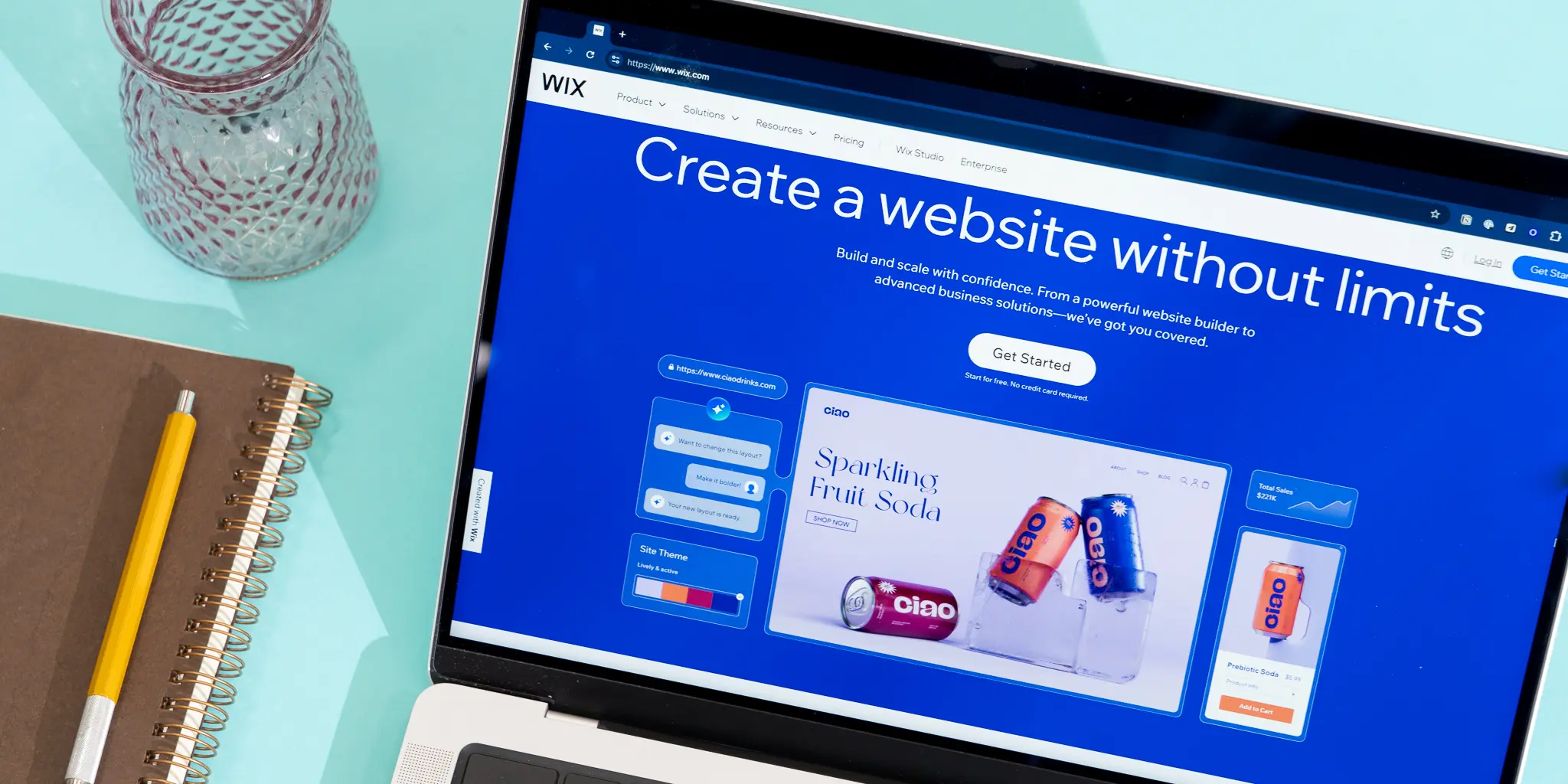
Bigtargetmedia.com – Choosing the best website platforms for beginners is one of the most important decisions you will make when starting your online journey. Your platform determines how easily you can build, manage, and scale your website. Many beginners feel overwhelmed because they face too many options without understanding how each platform fits their goals.
Think of a website platform as the foundation of a house. If the foundation is stable, you can expand, redesign, and grow without limitations. If it is weak or mismatched with your needs, every improvement becomes difficult. When you understand how to choose the best website platforms for beginners, you set yourself up for long-term success rather than short-term convenience.
Understanding What Makes the Best Website Platforms for Beginners
Simplicity and Ease of Use
A beginner-friendly platform should reduce complexity. You should focus on creating content or building your business, not struggling with technical setup.
The best website platforms for beginners provide intuitive interfaces, drag-and-drop builders, and clear navigation. These features allow you to build a website without coding knowledge.
Flexibility and Growth Potential
While simplicity matters, flexibility ensures long-term success. The best website platforms for beginners must support growth, customization, and advanced features as your needs evolve.
A platform that limits expansion can slow your progress later.
Exploring Popular Website Platforms
Content Management Systems (CMS)
Content management systems provide structured control over your website. They balance flexibility with usability.
One of the most widely used platforms is WordPress. It offers extensive customization through themes and plugins, making it suitable for blogs, business websites, and more.
Website Builders for Simplicity
Website builders focus on ease of use. They allow beginners to create websites quickly without technical knowledge.
Platforms like Wix and Squarespace provide drag-and-drop functionality and pre-designed templates.
Choosing Between Control and Convenience
CMS platforms offer more control, while builders prioritize simplicity. The right choice depends on your goals and willingness to learn.
Key Features to Evaluate
Customization Options

Customization determines how unique your website can become. The best website platforms for beginners should allow you to adjust design, layout, and functionality.
SEO Capabilities
SEO features help your website rank in search engines. Platforms should support meta tags, clean URLs, and fast loading speeds.
Performance and Speed
A fast website improves user experience and search rankings. Choose platforms that prioritize performance optimization.
Matching Platforms with Your Goals
Blogging and Content Creation
If your primary goal is blogging, you need a platform that supports content management and SEO.
WordPress excels in this area due to its flexibility and plugin ecosystem.
Business and Portfolio Websites
For business websites, design and presentation matter. Platforms like Wix and Squarespace offer visually appealing templates that suit portfolios and small businesses.
E-commerce and Online Stores
If you plan to sell products, choose a platform designed for e-commerce. Some builders include integrated shopping features, while CMS platforms require plugins.
Advantages and Limitations of Each Platform
WordPress: Power and Flexibility
WordPress offers unmatched customization. However, it requires a learning curve and basic technical understanding.
Wix and Squarespace: Simplicity and Speed
These platforms simplify website creation. They reduce technical barriers but may limit advanced customization.
Balancing Ease and Control
The best website platforms for beginners strike a balance between ease of use and flexibility. Your choice should reflect your priorities.
Common Mistakes When Choosing a Platform
Focusing Only on Ease of Use
While simplicity matters, ignoring scalability can create problems later. A platform that feels easy today may limit growth tomorrow.
Ignoring SEO Features
Without proper SEO capabilities, your website may struggle to gain visibility.
Overlooking Long-Term Costs
Some platforms appear affordable initially but become expensive as you scale.
Choosing Without Clear Goals
Your platform choice should align with your purpose. Without clear goals, you may select the wrong solution.
Building Confidence as a Beginner
Starting with a Simple Project
Begin with a small website to learn the basics. This approach reduces pressure and builds confidence.
Learning Through Practice
Hands-on experience accelerates learning. Explore features, test designs, and experiment with content.
Gradual Skill Development
As you gain experience, you can explore advanced features and customization options.
Creating a Growth-Oriented Website Strategy
Planning for Future Expansion
Even as a beginner, think long term. Choose a platform that supports additional features and growth.
Integrating Tools and Services
Modern websites rely on integrations such as analytics, email marketing, and SEO tools.
Building a Scalable System
A scalable platform allows you to expand without rebuilding your site from scratch.
Conclusion
Choosing the best website platforms for beginners is not about finding a universally perfect option. It is about selecting a platform that aligns with your goals, skill level, and growth plans. Whether you prioritize simplicity with builders like Wix and Squarespace or flexibility with WordPress, the right choice creates a strong foundation for your online success. When you approach this decision strategically, the best website platforms for beginners become powerful tools that support your journey from beginner to confident website owner.
