


Bigtargetmedia.com – Every website holds potential value when it attracts visitors who search for information, solutions, or inspiration. Many creators begin with a simple goal, such as sharing knowledge or documenting ideas, yet a website can evolve into a powerful income source. Understanding ways to monetize a website allows website owners to transform digital traffic into sustainable revenue streams.
A website behaves much like a physical business location. If a shop stands in a busy area where people walk past daily, the shop owner gains many opportunities to sell products or services. In the online world, website traffic plays the same role as foot traffic in a busy street.
When visitors arrive regularly, the website gains economic value. Businesses want visibility in front of those visitors, readers want helpful products, and communities grow around trusted sources of information. These dynamics create multiple ways to monetize a website while maintaining value for the audience.
However, effective monetization requires a thoughtful strategy. A website should never feel like a marketplace full of random promotions. Instead, monetization must align with the audience’s needs and interests. When a website provides useful content first, monetization becomes a natural extension of the value offered to readers.
In the following sections, we will explore practical and sustainable ways to monetize a website through advertising, affiliate partnerships, digital products, services, and community-driven strategies. Each method demonstrates how a website can evolve from a simple content platform into a reliable online business.
Advertising as One of the Most Accessible Ways to Monetize a Website
Advertising represents one of the earliest and most widely used methods of website monetization. It allows website owners to earn revenue simply by providing space for promotional content.
Display Advertising That Matches the Website Audience
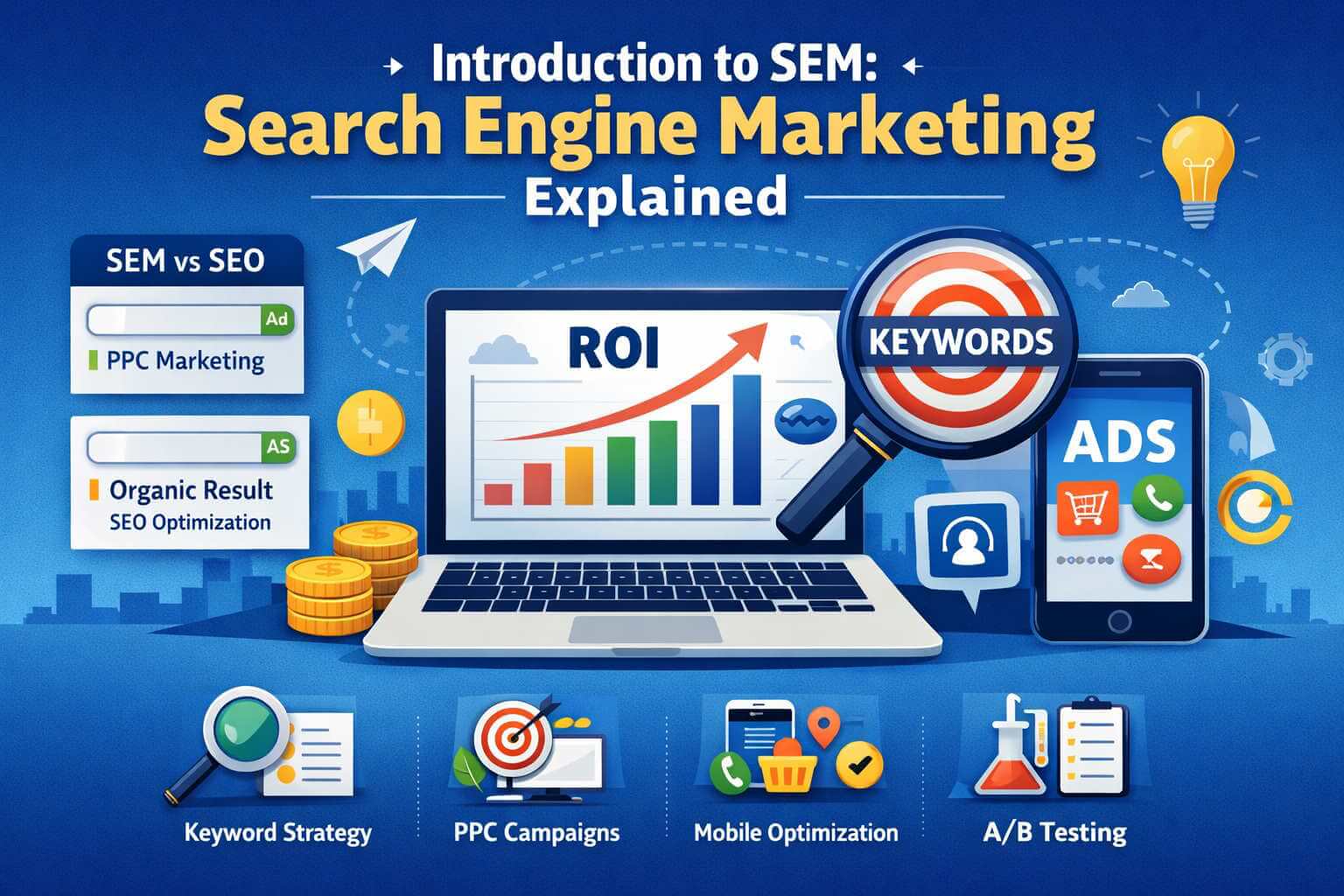
Among the most common ways to monetize a website, display advertising stands out because it integrates easily into existing content. Website owners place advertisement banners or contextual ads within their pages, and advertisers pay for impressions or clicks.
This model works effectively when the website attracts consistent traffic. The more visitors explore the pages, the more opportunities advertisements receive to generate revenue.
However, successful advertising depends on relevance. A website that discusses technology should present advertisements related to software tools, digital services, or gadgets. Relevant ads increase engagement and maintain a positive user experience.
Imagine reading an article about photography and seeing an advertisement for professional camera equipment. The advertisement complements the content instead of distracting from it. Visitors may even appreciate the recommendation.
Website owners must balance revenue goals with usability. Too many advertisements create clutter and discourage visitors from returning. Strategic placement ensures that advertising supports the website rather than overwhelming it.
When implemented carefully, advertising becomes a stable income channel that grows as website traffic expands.
Affiliate Marketing as a Strategic Way to Monetize a Website
Affiliate marketing introduces another powerful strategy within the broader category of ways to monetize a website. Instead of displaying general advertisements, affiliate marketing promotes specific products or services.
Recommending Products That Solve Real Problems
Affiliate marketing allows website owners to earn commissions when readers purchase products through referral links. This approach works best when the recommendations naturally connect with the content.
For example, a website focused on website development might recommend hosting services, domain registration platforms, or design tools. Readers who need those solutions may follow the recommendations and complete purchases.
The success of affiliate marketing depends on trust. Readers rely on websites that provide honest guidance rather than aggressive sales messages. When recommendations reflect genuine experience and knowledge, readers respond positively.
Consider a teacher recommending a helpful study book to students. Students trust the recommendation because it improves their learning experience. Affiliate marketing follows the same principle.
High-quality product reviews, tutorials, and comparison articles often perform well in affiliate strategies. These formats help readers make informed decisions while providing website owners with commission-based revenue.
Through thoughtful implementation, affiliate marketing becomes one of the most scalable ways to monetize a website.
Selling Digital Products as a Powerful Monetization Strategy
While advertising and affiliate marketing rely on third-party partnerships, digital products allow website owners to create independent revenue streams.
Transforming Knowledge Into Valuable Digital Resources
Creating digital products represents one of the most profitable ways to monetize a website because it allows creators to sell their expertise directly to their audience.
Digital products include online courses, downloadable guides, templates, software tools, and specialized resources. These products deliver focused solutions that go deeper than standard blog content.
For instance, a website that teaches content marketing may offer a structured online course explaining how to build a successful blog. A photography website may sell editing presets or professional training materials.
Digital products operate differently from physical goods. Once the product exists, the website owner can sell it repeatedly without managing inventory or shipping.
Imagine a university professor writing a detailed textbook. After publication, thousands of students may use the same book to learn the subject. Digital products function similarly in the online environment.
Readers who already trust the website often seek more advanced resources. Premium products satisfy that demand while generating consistent revenue.
This model transforms expertise into a scalable digital business.
Offering Services Through a Website
Many website owners possess professional skills that others value. Offering services through a website provides another direct approach to monetization.
Turning Expertise Into Professional Service Opportunities
Service-based offerings remain one of the most practical ways to monetize a website for professionals and freelancers. A website can function as both a portfolio and a client acquisition platform.
For example, a website about graphic design may showcase design projects and offer branding services. A digital marketing website might offer consulting sessions or campaign management.
Visitors who appreciate the content often become potential clients. They already recognize the expertise of the website owner through the articles and tutorials they have read.
Imagine attending a workshop led by a skilled instructor. After learning from the instructor, participants may request personal guidance or advanced training. The same relationship develops between website creators and their audience.
Service offerings also allow website owners to charge premium prices because they provide personalized solutions rather than generic resources.
As reputation grows, the website becomes a gateway for high-value professional opportunities.
Building Membership Communities for Recurring Revenue
Recurring revenue creates long-term financial stability for websites. Membership models support this objective by building communities around exclusive content.
Creating a Premium Community for Dedicated Readers
Subscription-based communities represent one of the emerging ways to monetize a website. Instead of relying on one-time purchases, membership programs generate ongoing income through recurring payments.
Website owners may provide premium articles, advanced tutorials, private forums, or exclusive webinars for members. These resources deliver deeper insights than public content.
A website about investing, for example, may offer a private research community where members receive detailed market analysis. A coding website may provide structured learning paths for subscribers.
Membership programs succeed when the community provides continuous value. Members must feel that their subscription supports personal growth or professional improvement.
Think of a specialized training academy where students gather to develop advanced skills. The academy charges membership fees because it offers structured knowledge and guidance.
In the same way, websites can cultivate engaged communities willing to support the platform through subscriptions.
This approach creates predictable revenue while strengthening relationships with loyal readers.
Sponsored Content and Brand Partnerships
As a website grows in authority, companies begin to recognize its influence. Sponsored collaborations create another viable path for monetization.
Partnering With Brands That Align With the Website Theme
Brand partnerships represent advanced ways to monetize a website once the site establishes credibility and audience trust. Companies seek collaboration with websites that reach targeted communities.
Sponsored content may include product reviews, tutorial articles, or educational content created in partnership with a brand. These collaborations allow companies to introduce their products to a relevant audience.
However, transparency remains critical. Readers expect honesty and clear disclosure when content includes sponsorship.
Consider a respected industry expert invited to review a new technology product. The review gains attention because the expert’s opinion carries authority.
Similarly, websites that consistently publish reliable content attract companies seeking credible exposure.
When partnerships align with the interests of readers, sponsored content benefits both the brand and the audience.
Conclusion
Exploring effective ways to monetize a website requires understanding how value flows between content creators, audiences, and businesses. Monetization begins with building a website that attracts consistent visitors through useful and engaging content.
Advertising provides an accessible revenue stream based on traffic volume. Affiliate marketing generates commissions through product recommendations that solve reader problems. Digital products transform expertise into scalable income opportunities.
Service offerings allow professionals to connect with clients, while membership communities create recurring revenue through exclusive content. Sponsored partnerships further expand monetization potential as the website gains authority.
When these strategies align with the needs of the audience, they demonstrate sustainable and ethical ways to monetize a website while maintaining trust and delivering genuine value.
