


bigtargetmedia.com _ Mobile budgeting applications have become an integral part of how individuals organize and understand personal finances in a digital-first environment. Among these tools, the EveryDollar app stands out as a budgeting application designed to help structure income and expenses with clarity and intention. The app reflects a broader movement toward digital financial awareness, where tracking and planning are embedded into everyday routines.
The rise of budgeting apps like the EveryDollar app is closely tied to changes in financial behavior. As cashless payments, subscriptions, and online transactions increase, traditional manual budgeting methods have become less practical for many households. Digital tools now offer a centralized way to visualize spending patterns and financial priorities.
Understanding the EveryDollar app involves more than reviewing its features. It requires examining how its budgeting philosophy aligns with broader trends in personal finance, digital literacy, and behavioral economics. This article explores the app’s structure, implications, and real-world relevance within modern budgeting practices.
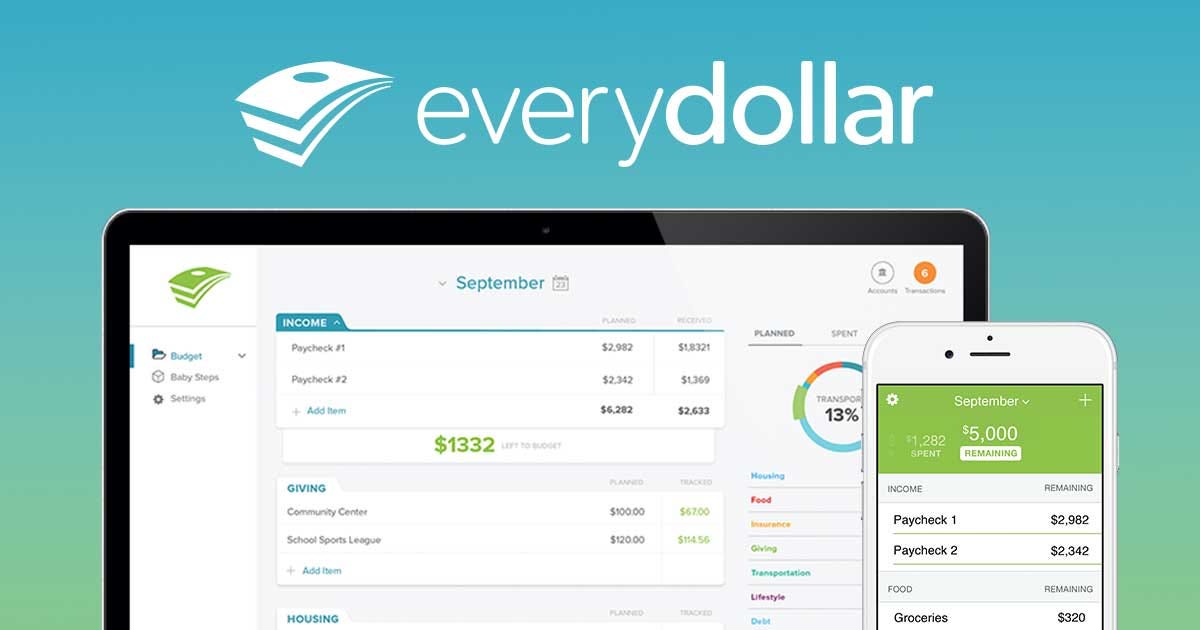
Image caption:
This image represents the EveryDollar app interface used for organizing monthly budgets and expenses.
Understanding the EveryDollar App
The EveryDollar app is a digital budgeting tool designed around a zero-based budgeting framework. This approach encourages assigning a purpose to every unit of income, ensuring that planned expenses, savings, and discretionary spending are accounted for within a defined period. The app translates this concept into a structured digital interface.
Rather than focusing on investment tracking or advanced financial analytics, the EveryDollar app emphasizes simplicity. Users categorize income and expenses into predefined or customizable budget lines, allowing for a clear overview of monthly financial plans. This design choice aligns with the app’s focus on everyday budgeting rather than long-term wealth management.
The app operates primarily as a planning and tracking tool. Expenses are logged manually or, in some versions, synced automatically with financial accounts. This flexibility allows the app to accommodate different preferences regarding control and automation.
The Budgeting Philosophy Behind the App
At the core of the EveryDollar app is the principle of intentional budgeting. The idea is that financial clarity comes from proactive planning rather than reactive tracking. By allocating funds before spending occurs, the app promotes awareness of financial limits and priorities.
This philosophy reflects broader trends in behavioral finance, where structure and visibility influence decision-making. When spending categories are clearly defined, financial choices become more deliberate. The app’s design reinforces this behavior through visual progress indicators and category-based summaries.
The emphasis on simplicity also plays a role. By avoiding overly complex features, the EveryDollar app reduces cognitive friction. This approach supports consistent usage, which is a critical factor in effective budgeting.
Position Within the Budgeting App Ecosystem
The EveryDollar app occupies a specific niche within the wider ecosystem of personal finance applications. Unlike comprehensive financial management platforms that combine budgeting, investing, and credit monitoring, EveryDollar focuses narrowly on monthly budget planning.
This specialization differentiates it from multipurpose finance apps. While some platforms prioritize data aggregation and analytics, the EveryDollar app prioritizes clarity and routine. This distinction reflects different user needs within the personal finance landscape.
Competition within the budgeting app market is significant. Numerous tools offer similar functionalities with varying levels of automation, customization, and integration. The EveryDollar app represents one approach within this diverse field, emphasizing methodical budgeting over financial complexity.
Benefits and Broader Implications
One notable benefit of the EveryDollar app is its emphasis on financial awareness. By requiring each expense to be categorized, the app encourages regular reflection on spending habits. This awareness supports more informed financial decisions over time.
Another advantage lies in its structured approach. The zero-based budgeting model provides a clear framework that can simplify financial planning, particularly for those seeking consistency. The app’s layout reinforces this structure through clear category divisions and monthly summaries.
On a broader level, budgeting apps like EveryDollar contribute to financial literacy. By making budgeting more accessible, they help normalize financial planning as a routine activity rather than a specialized skill. This accessibility aligns with wider efforts to improve personal financial management through technology.
Behavioral and Educational Impact
The EveryDollar app also has implications for financial behavior. Regular interaction with budget categories can influence spending choices, encouraging alignment with predefined goals. This behavioral feedback loop is a key aspect of digital budgeting tools.
From an educational perspective, the app serves as an introduction to budgeting concepts. Users become familiar with income allocation, expense categorization, and financial planning cycles. These foundational skills are transferable beyond the app itself.
The visibility of progress throughout the month reinforces accountability. Seeing how much remains in each category can shape spending decisions without external enforcement, highlighting the role of design in financial behavior.
Risks, Challenges, and Considerations
Despite its strengths, the EveryDollar app presents certain challenges. One consideration involves manual data entry. While manual tracking can increase awareness, it may also reduce convenience for those accustomed to fully automated systems.
Another limitation relates to scope. The app focuses primarily on budgeting and does not offer extensive tools for investment tracking, debt analysis, or net worth calculation. Users seeking comprehensive financial oversight may need supplementary tools.
Data privacy is also a relevant consideration. Like most financial apps, the EveryDollar app requires access to sensitive information. Understanding how data is stored and protected is an important aspect of responsible usage.
Adaptability and Long-Term Use
Long-term engagement is a common challenge for budgeting applications. Maintaining consistent usage requires habit formation, which varies across individuals. The EveryDollar app’s simplicity may support retention, but motivation remains a key factor.
Financial situations also evolve. Changes in income, expenses, or life circumstances may require adjustments to budgeting methods. The app’s flexibility allows for category modification, but adaptation still depends on user initiative.
Platform updates and feature changes can influence usability. As digital tools evolve, maintaining relevance requires balancing new features with the app’s core simplicity.
Real Product or Service Examples
EveryDollar App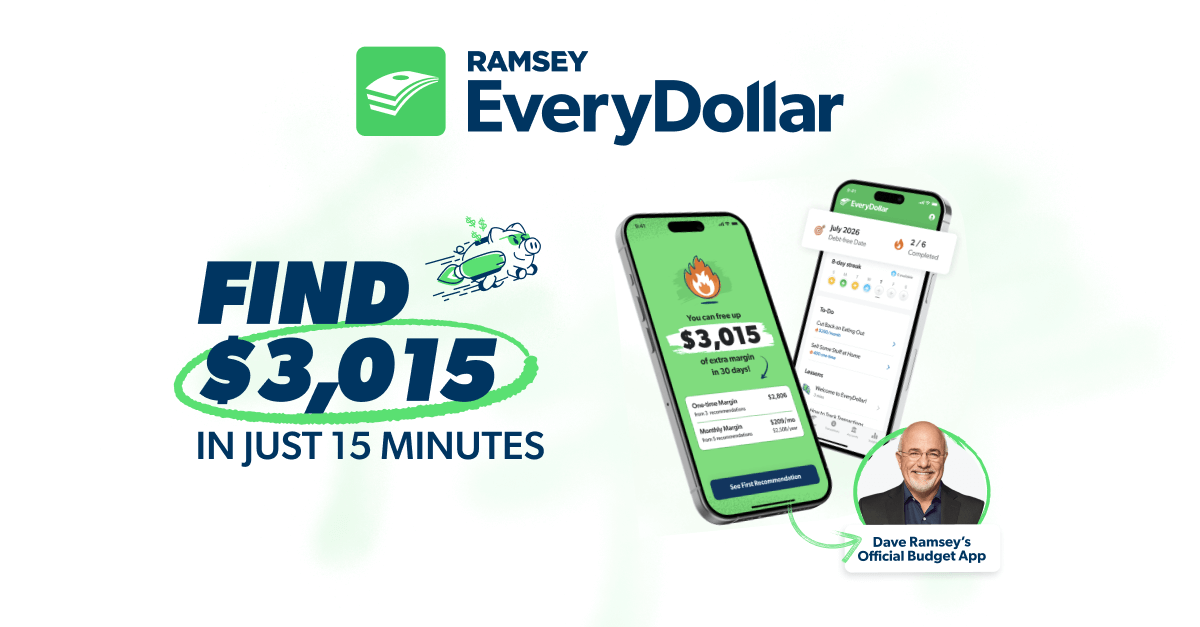
Image caption:
The EveryDollar app focuses on zero-based budgeting through a clean and structured mobile interface.
The EveryDollar app provides a centralized space for monthly budget planning. Categories are customizable, allowing alignment with individual financial priorities.
Its design emphasizes clarity over complexity, reflecting a specific approach to personal finance management.
Mint Budgeting App
Image caption:
Mint represents a more comprehensive budgeting and financial tracking application.
Mint combines budgeting with account aggregation and spending analysis. Automated transaction syncing offers convenience, contrasting with the more manual approach of the EveryDollar app.
This comparison highlights differences in budgeting philosophies rather than overall effectiveness.
YNAB (You Need A Budget)
Image caption:
YNAB emphasizes proactive budgeting and financial education within its platform.
YNAB shares a zero-based budgeting foundation but incorporates educational resources and forecasting tools. Its approach places strong emphasis on long-term habit formation.
The contrast illustrates how similar principles can be implemented through different design choices.
PocketGuard App

Image caption:
PocketGuard focuses on real-time spending limits within budgeting apps.
PocketGuard highlights how much money is available after bills and goals. This real-time perspective differs from the category-focused planning of the EveryDollar app.
Together, these examples demonstrate the diversity of budgeting tools within the digital finance space.
Use Cases and Real-World Scenarios
In household budgeting scenarios, the EveryDollar app is often used to plan monthly expenses such as housing, utilities, and groceries. Categorization supports routine financial planning and helps identify areas of overspending.
For individuals transitioning to structured budgeting, the app provides a straightforward starting point. Its clear layout reduces barriers to entry, making budgeting less intimidating.
In educational contexts, budgeting apps like EveryDollar can be used as teaching aids. They offer practical demonstrations of financial concepts, supporting learning through application rather than theory alone.
Frequently Asked Questions
What is the EveryDollar app?
The EveryDollar app is a budgeting application designed to help organize income and expenses using a zero-based budgeting approach.
Does the EveryDollar app track investments?
The app focuses on budgeting and expense tracking rather than investment management or portfolio analysis.
Is the EveryDollar app suitable for beginners?
Its simple structure makes it accessible for those new to budgeting, though long-term effectiveness depends on consistent use.
How does the EveryDollar app handle expense tracking?
Expenses can be entered manually, and some versions allow for account synchronization to automate tracking.
Can the EveryDollar app replace other financial tools?
It can function as a primary budgeting tool too,l but may be complemented by other apps for broader financial management needs.
Neutral Conclusion
The EveryDollar app represents a focused approach to digital budgeting, emphasizing structure, clarity, and planning. Its design reflects a broader trend toward simplifying financial management through accessible technology.
While it does not address every aspect of personal finance, the app offers insight into how budgeting tools shape financial behavior and awareness. Within the expanding landscape of financial applications, the EveryDollar app remains a relevant example of how digital tools support everyday financial organization without unnecessary complexity.
