

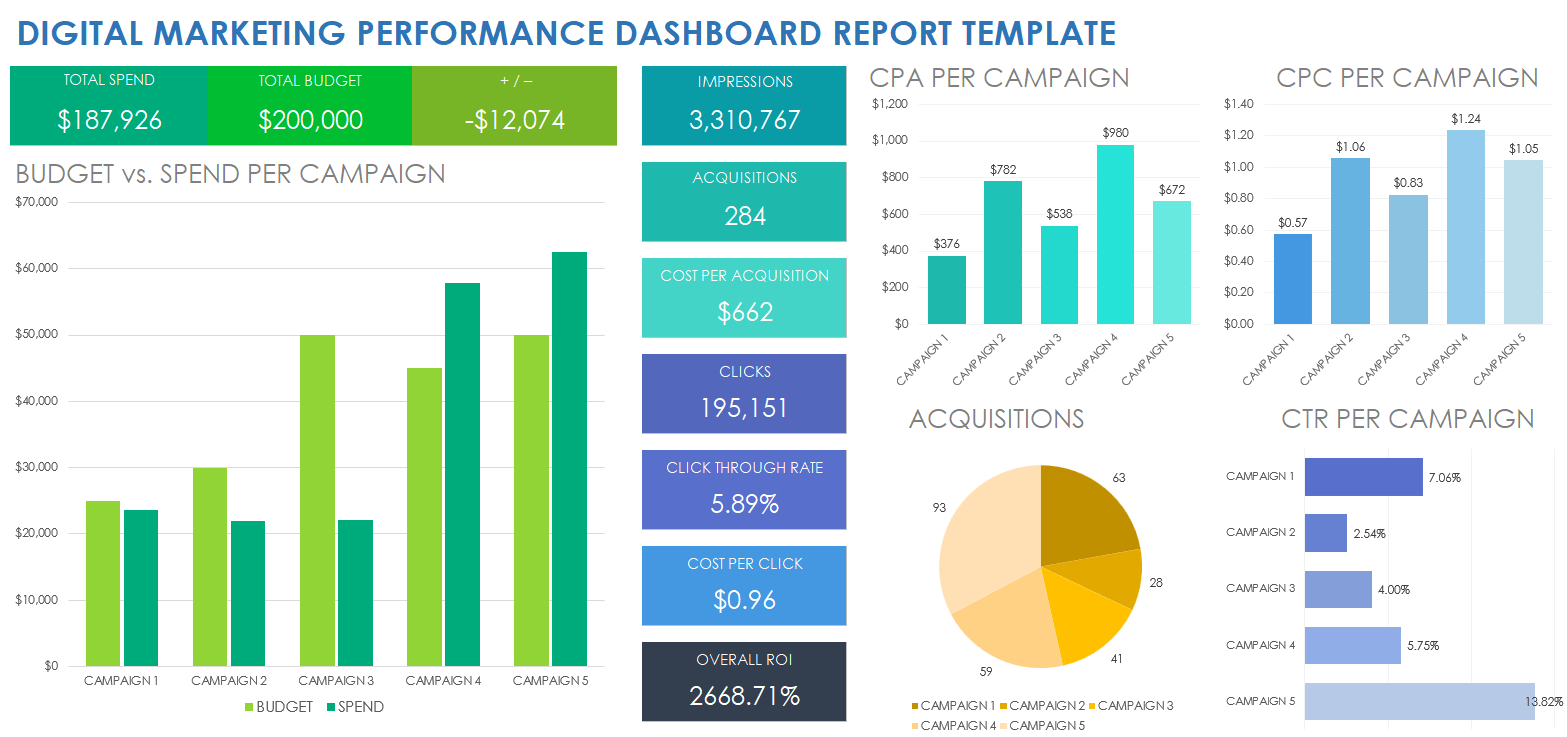
Bigtargetmedia.com – Every successful website begins with one critical element: traffic. Without visitors, even the best content remains invisible. Whether you run a blog, an online business, or an informational website, the ability to get more traffic to your website determines how quickly your platform grows.
Many beginners believe traffic depends only on luck or viral content. In reality, consistent website traffic comes from clear strategies that combine search engine optimization, content planning, distribution channels, and audience engagement.
Think of your website as a shop in a large digital city. If the shop sits on a quiet street with no signs or directions, very few people will find it. However, when you place clear signposts, build roads leading to the shop, and promote its presence, visitors begin arriving regularly.
This article explains practical and proven methods that help website owners get more traffic to their website in a sustainable way.
Build Strong SEO Foundations
Search engines represent one of the most reliable sources of long-term traffic. When your pages rank well on Google, visitors arrive consistently without daily promotion.
Perform Smart Keyword Research

Keyword research forms the foundation of search traffic. Instead of guessing what people search for, successful publishers study search behavior.
A keyword represents the phrase someone types into Google when looking for information. When your article answers that query clearly, Google often ranks your page higher.
For example, instead of writing a broad article about “websites,” you could target search phrases such as:
- How to build a website for beginners.”
- “best hosting for small websites”
- How to monetize a blog.”
Each specific keyword represents real demand from search users.
When you consistently publish content targeting these queries, you gradually get more traffic to your website from organic search results.
Optimize On-Page SEO

After choosing the right keyword, you must structure the page correctly. Search engines rely on signals within the content to understand its topic.
Effective on-page optimization includes placing the keyword in the title, introduction, and subheadings. Clear headings help search engines interpret the page structure. Internal links also guide crawlers toward related articles.
Another important factor involves readability. Articles with logical structure and natural language perform better because readers stay longer on the page.
When both readers and search engines understand your content easily, rankings improve. Higher rankings naturally help you get more traffic to your website over time.
Create High-Value Content That Solves Real Problems
Content remains the engine that drives traffic growth. However, not every article attracts visitors.
Write Content With Clear Search Intent

Search intent describes the reason behind a search query. People usually search for one of three purposes: learning something, comparing options, or solving a specific problem.
When you write articles that address these intentions directly, readers find exactly what they need.
For instance, someone searching “how to start a blog” wants step-by-step guidance. A successful article explains each step clearly and anticipates common obstacles.
Content that fully answers user questions encourages longer reading sessions and higher search rankings.
Over time, a library of helpful articles becomes a powerful engine that helps publishers get more traffic to their website consistently.
Publish Long-Form and Comprehensive Guides
Search engines often prefer comprehensive articles because they provide complete answers. Short posts rarely cover a topic deeply enough to compete with detailed guides.
A strong long-form article typically includes:
- clear explanations
- structured headings
- practical examples
- updated information
Readers spend more time engaging with detailed content. This behavior signals quality to search engines.
As a result, comprehensive articles frequently climb higher in rankings and help you get more traffic to your website naturally.
Use Social Media as a Traffic Amplifier
SEO generates long-term traffic, but social media can accelerate exposure when used correctly.
Share Content Strategically
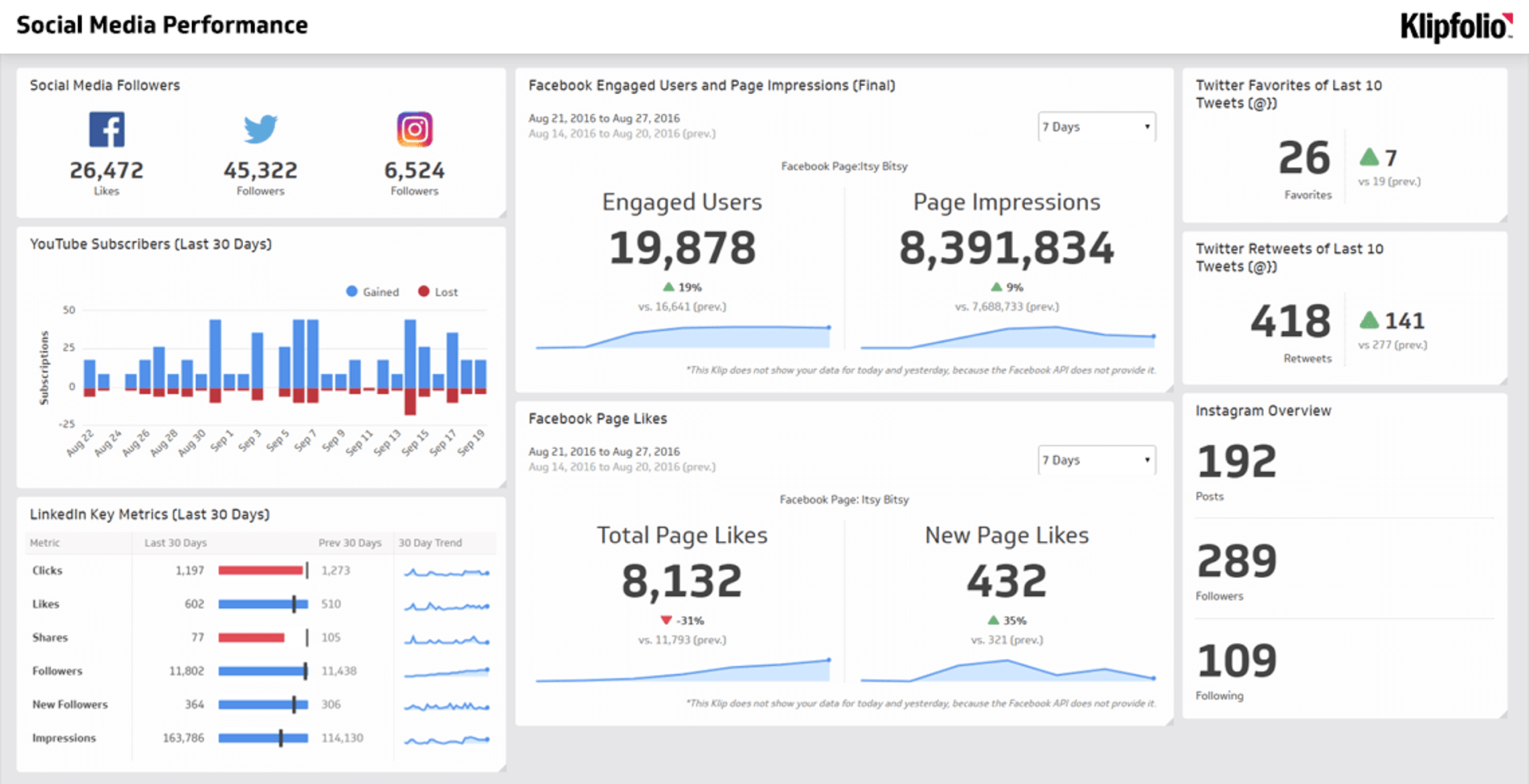
Publishing an article does not guarantee immediate visibility. Distribution ensures the content reaches potential readers.
When you share your articles across platforms such as X, Facebook, LinkedIn, or Pinterest, you introduce the content to new audiences.
Effective promotion focuses on value rather than simple links. A short explanation about what readers will learn encourages more clicks.
Each share acts like a road sign directing people toward your website. The more visibility your content receives, the easier it becomes to get more traffic to your website.
Join Communities Related to Your Niche

Communities gather people who already care about a specific topic. Forums, niche Facebook groups, and professional networks often contain highly engaged audiences.
Instead of posting promotional links immediately, focus on answering questions and providing helpful insights.
When people recognize your expertise, they become curious about your website. Many will visit your site voluntarily to explore your content.
Community engagement creates trust and naturally helps you get more traffic to your website.
Strengthen Internal Linking Structure
A well-structured website keeps visitors exploring multiple pages.
Connect Related Articles
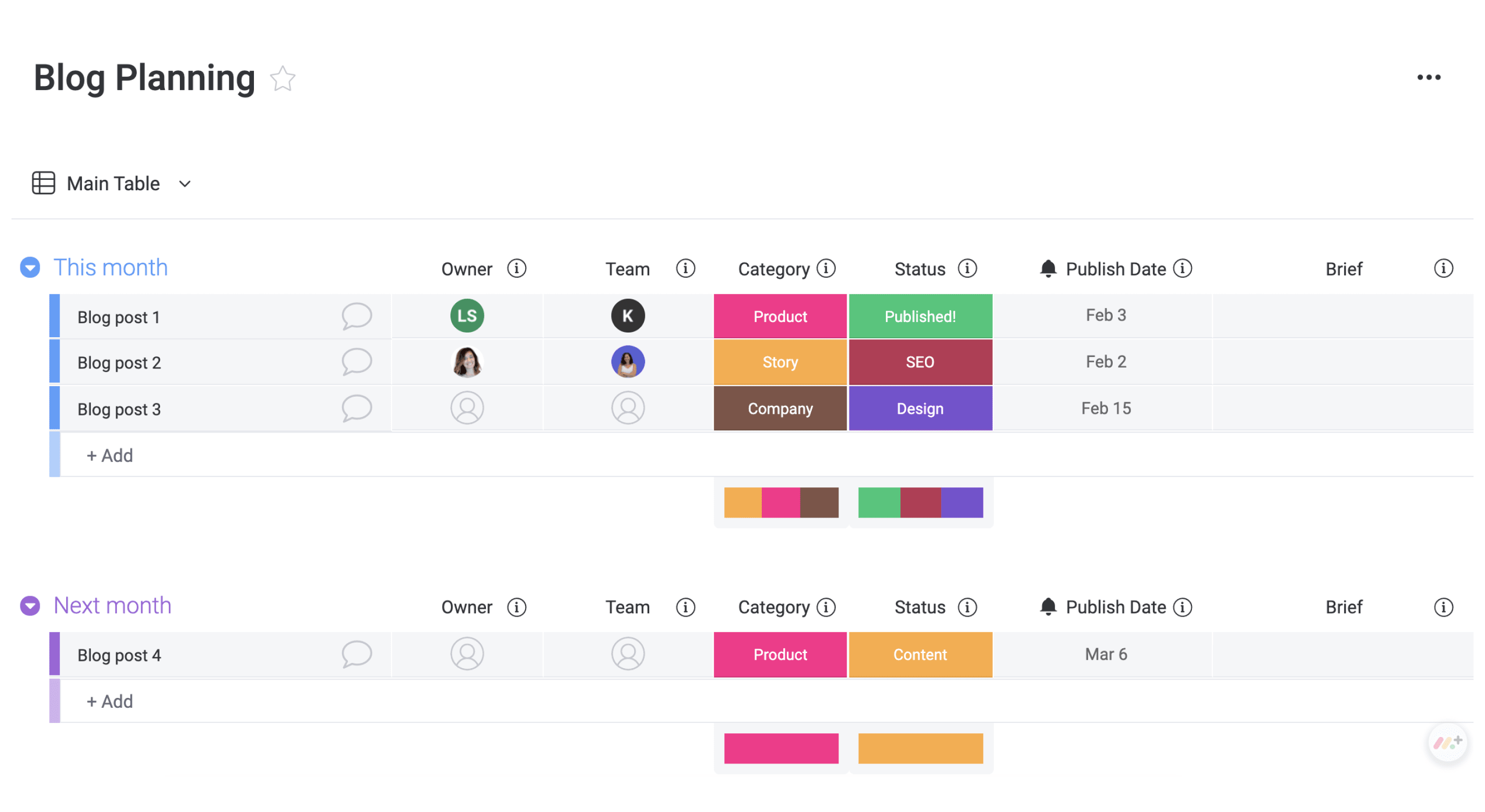
Internal linking guides readers toward relevant content. When one article references another helpful resource on your site, visitors often continue reading.
For example, an article about blogging tools could link to guides about SEO, monetization strategies, and traffic growth.
Each additional page visit increases overall traffic numbers.
Internal links also help search engines understand the relationship between topics. This structure strengthens rankings across your website.
As your content ecosystem grows, internal linking becomes a powerful tool to get more traffic to your website.
Build Topic Clusters
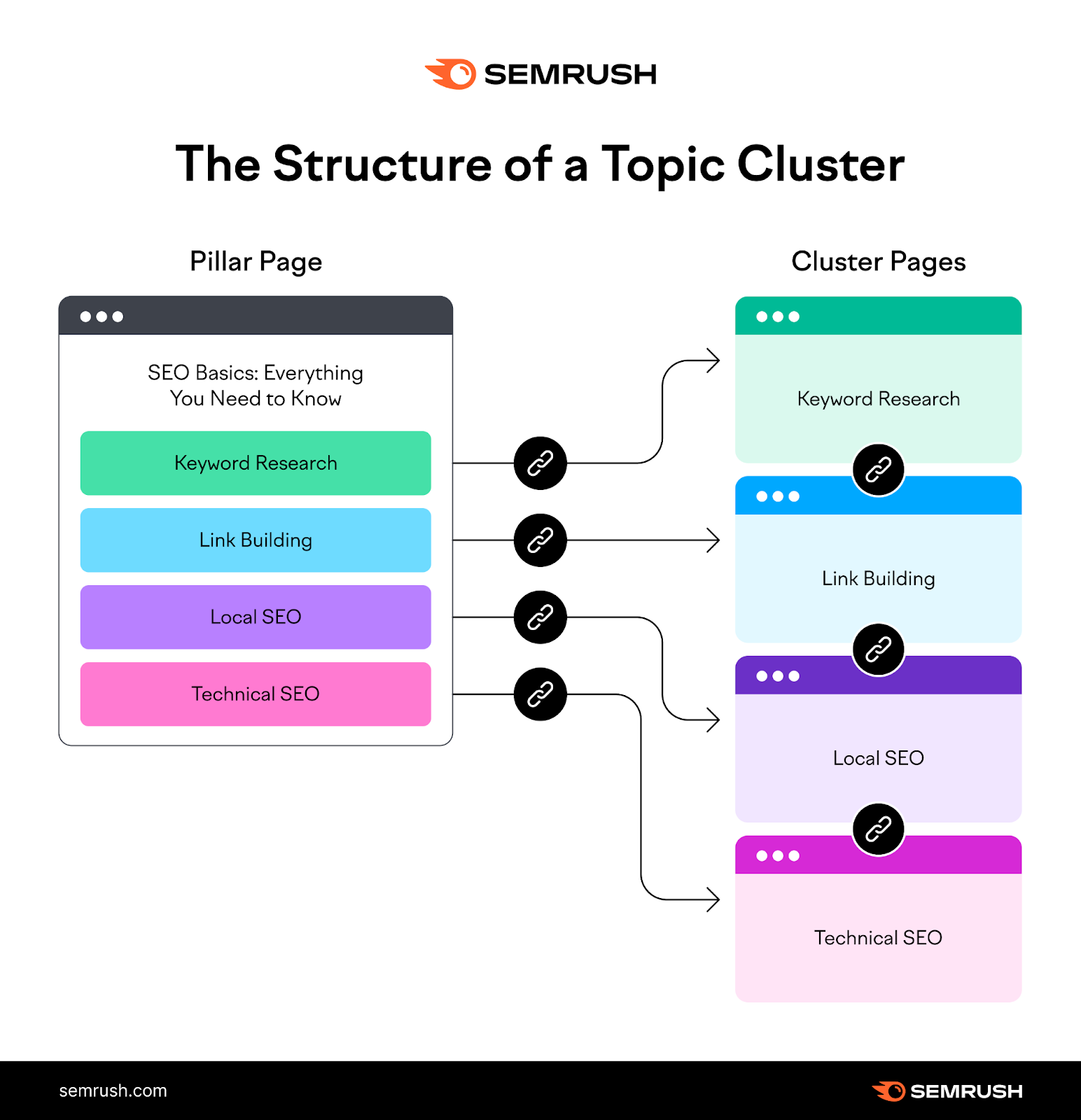
Topic clusters organize articles around a central theme. One main guide, often called a pillar page, connects to multiple supporting articles.
For example, a pillar page about blogging might connect to articles about:
- SEO basics
- website traffic strategies
- monetization methods
Search engines interpret this structure as topical authority.
When authority increases, rankings improve across many pages. Improved rankings naturally help you get more traffic to your website.
Collaborate and Build External Visibility
Traffic often expands faster when you collaborate with other creators or platforms.
Guest Posting on Established Websites
Guest posting allows you to publish articles on websites that already have established audiences.
When readers discover your content there, they often follow the author link back to your website.
This strategy introduces your platform to new readers who already trust the host site.
Quality guest posts often deliver both traffic and valuable backlinks, which further strengthen search rankings.
Both benefits help you get more traffic to your website steadily.
Appear in Podcasts or Interviews

Podcasts and interviews provide another powerful exposure channel. When you share knowledge during conversations, audiences become interested in your work.
Hosts usually mention the guest’s website, which encourages listeners to explore it afterward.
This exposure introduces your expertise to new communities.
Over time, collaborations build credibility and create additional pathways that help you get more traffic to your website.
Analyze Performance and Improve Continuously
Traffic growth rarely happens by accident. Data helps identify what works and what needs improvement.
Track Visitor Behavior
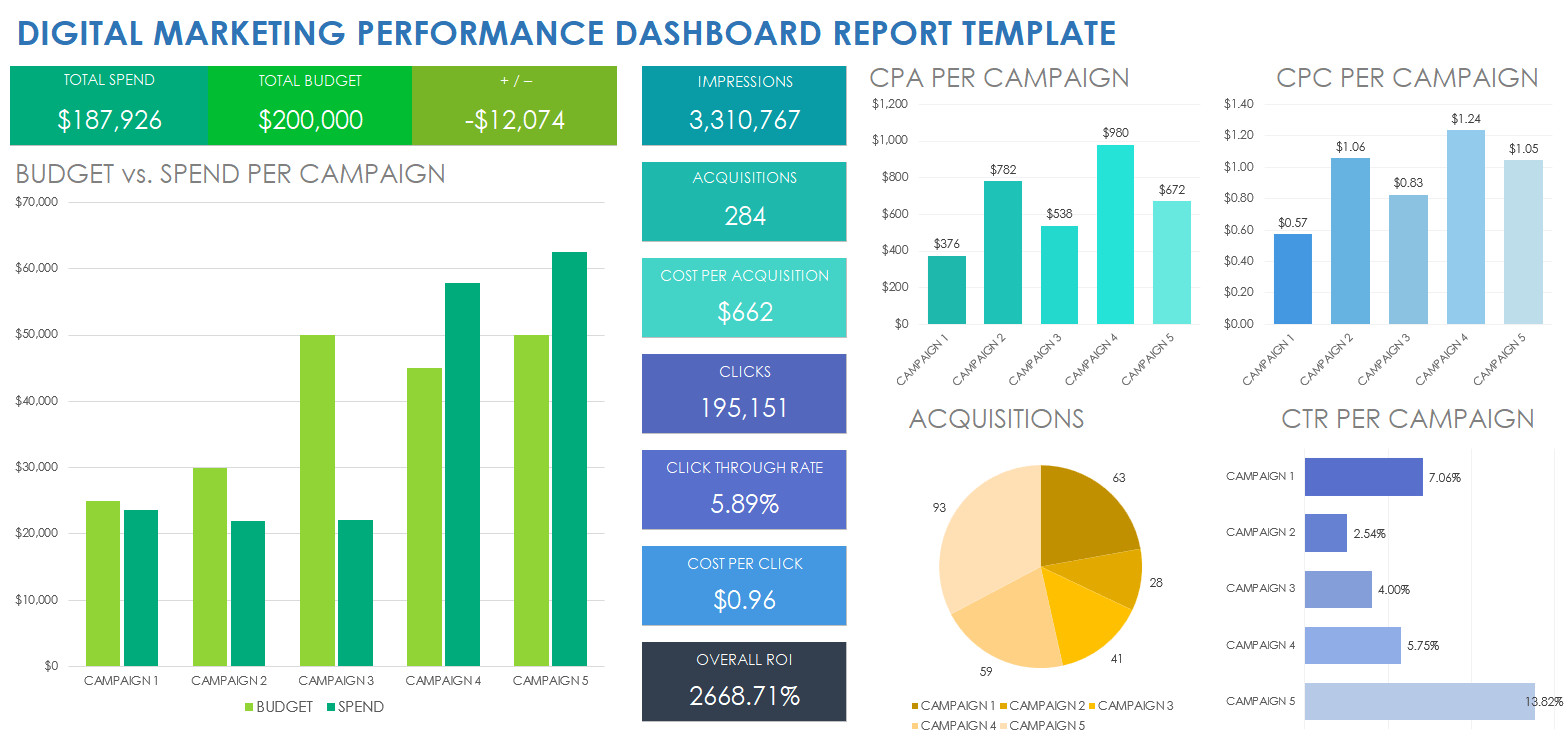
Analytics tools reveal how visitors interact with your website. They show which pages attract the most traffic, where visitors come from, and how long they stay.
When you identify top-performing pages, you can expand those topics with additional content.
For example, if an article about blogging tools attracts strong traffic, creating related guides often brings even more visitors.
This continuous improvement process gradually helps publishers get more traffic to their website with increasing efficiency.
Update and Refresh Existing Content
Older articles often contain valuable information but lose rankings over time. Updating these posts with new data, improved explanations, and additional insights can restore their performance.
Content updates signal freshness to search engines.
Many publishers discover that refreshing existing articles generates faster results than writing entirely new ones.
A consistent update routine ensures that your content library continues helping you get more traffic to your website month after month.
Read Also
If your goal for increasing website traffic is monetization, understanding advertising optimization becomes essential. A helpful next step is learning how website traffic converts into advertising revenue.
Read this related guide:
How to Increase Your AdSense Earnings Quickly
https://bigtargetmedia.com/how-to-increase-adsense-earnings-quickly/
This article explains how website visitors translate into advertising income and how to structure your site to maximize earnings from display ads.
Conclusion
Website traffic grows through strategy, consistency, and optimization. Search engine visibility, valuable content, social promotion, internal linking, and collaborations all work together to attract new visitors.
When these elements align, a website gradually builds authority and visibility across the internet.
By applying these methods consistently, any website owner can get more traffic to their website and create a sustainable foundation for long-term growth and monetization.
