


Bigtargetmedia.com – Search engine optimization continues to evolve each year, yet the core goal remains the same: helping search engines understand your content and showing it to the right audience. For new website owners, learning the SEO tips for beginners in 2026 can dramatically improve visibility, traffic, and long-term online growth.
Many beginners assume SEO requires advanced technical skills or expensive tools. In reality, effective SEO begins with understanding how search engines interpret content and how readers interact with information online.
Think of SEO as building clear roads that guide search engines toward your content. When those roads remain organized, relevant, and easy to follow, search engines confidently recommend your pages to users.
The following strategies explain the best SEO tips for beginners in 2026, focusing on practical actions that improve rankings and create sustainable website growth.
Understand How Search Engines Evaluate Content
Before applying SEO techniques, beginners should understand how search engines analyze websites.
Learn the Basics of Search Engine Crawling and Indexing

Search engines operate like digital librarians that organize billions of webpages. Automated programs known as crawlers scan websites to discover new content.
After discovering a page, the search engine analyzes its structure, topic, and usefulness. If the page provides valuable information, the system stores it in the search index.
Only indexed pages can appear in search results.
For beginners, understanding this process highlights an important principle: search engines must first find and understand your content before ranking it.
Well-organized websites help crawlers navigate easily, which improves indexing and visibility.
Focus on Helping Users First

Search engines prioritize content that genuinely helps readers. Algorithms now evaluate user behavior signals such as reading time, engagement, and relevance.
If visitors quickly leave a page because it lacks useful information, search engines interpret that behavior as a sign of low value.
Beginners often focus heavily on technical optimization while forgetting the reader’s experience.
High-quality explanations, practical examples, and clear writing improve engagement naturally.
These signals help search engines recognize that the content deserves higher rankings.
Choose the Right Keywords for Your Content
Keyword research forms the foundation of effective SEO.
Target Long-Tail Keywords With Clear Intent
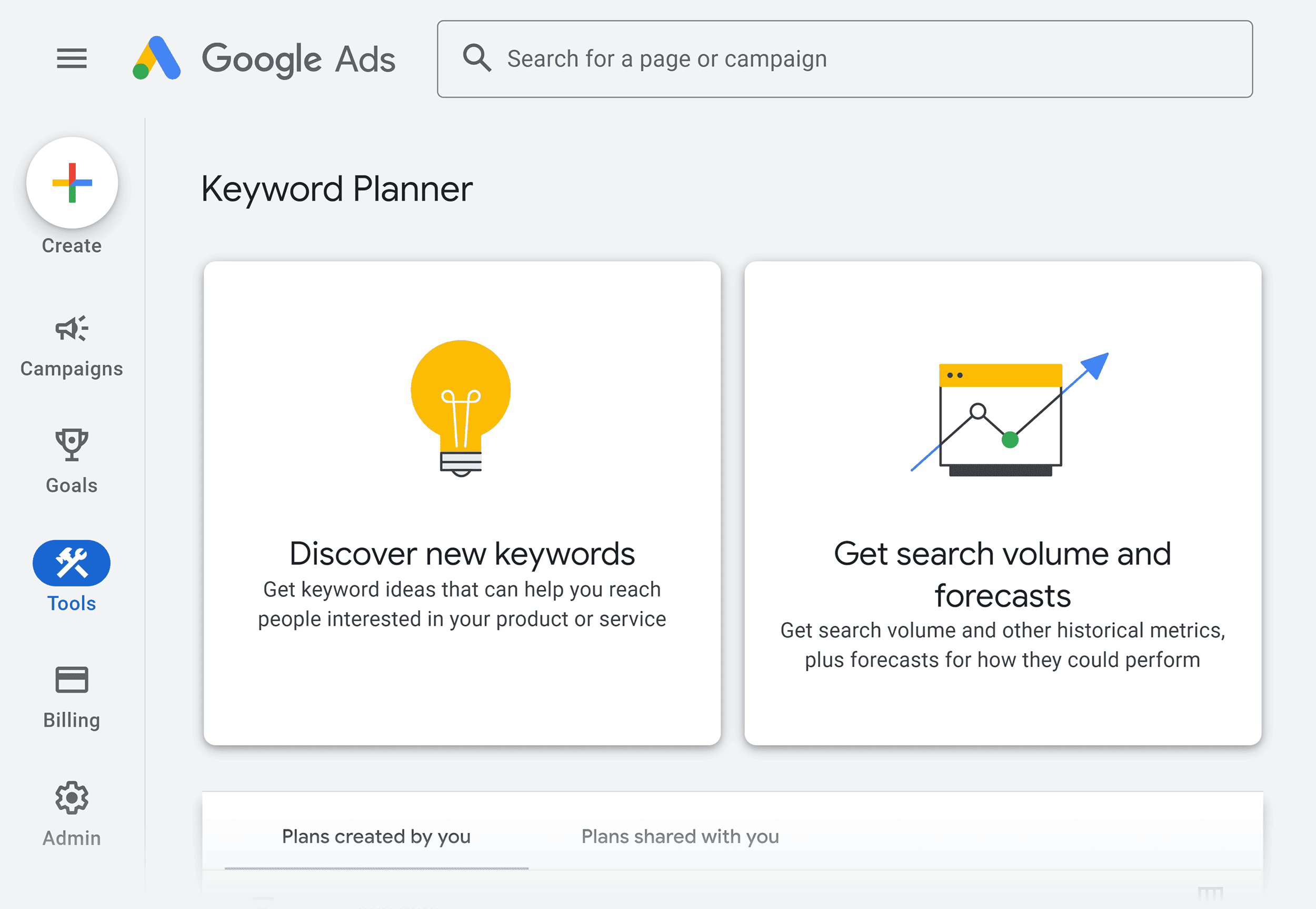
Beginners frequently target highly competitive keywords that large websites dominate. Competing against established platforms makes ranking extremely difficult.
Long-tail keywords offer a smarter alternative.
These phrases contain several words and represent specific search questions. For example, instead of targeting “SEO,” a beginner might target “SEO tips for beginners in 2026.”
Because fewer pages compete for these detailed queries, new websites often rank faster.
Long-tail keywords also reflect stronger search intent. Readers who search for detailed phrases usually want clear solutions.
Study Existing Search Results

Before writing an article, examine the current search results for your chosen keyword.
Look carefully at the top-ranking pages and analyze their structure, depth, and style.
This research reveals what readers expect when they search for that topic.
Instead of duplicating existing content, focus on improving clarity and adding additional insights.
Providing deeper explanations or more practical examples helps your content stand out.
Write SEO-Friendly Content Structure
Search engines rely heavily on content structure to understand topics.
Use Clear Headings and Logical Organization
A well-structured article guides readers smoothly from the introduction to the conclusion.
Headings divide the article into meaningful sections that explain specific aspects of the topic.
For example, an article about beginner SEO might include sections about keyword research, content creation, internal linking, and technical optimization.
Logical organization improves readability and helps search engines interpret the article’s topic.
When information flows naturally, readers remain engaged longer.
Write Strong Introductions That Explain the Topic

The introduction plays a critical role in SEO performance.
A strong introduction clearly explains what the article will teach while encouraging readers to continue reading.
Including the main keyword naturally in the introduction also signals the topic to search engines early.
Clear introductions improve both reader engagement and search relevance.
Strengthen Internal Linking Strategy
Internal links connect related pages within your website.
Link New Articles to Existing Content
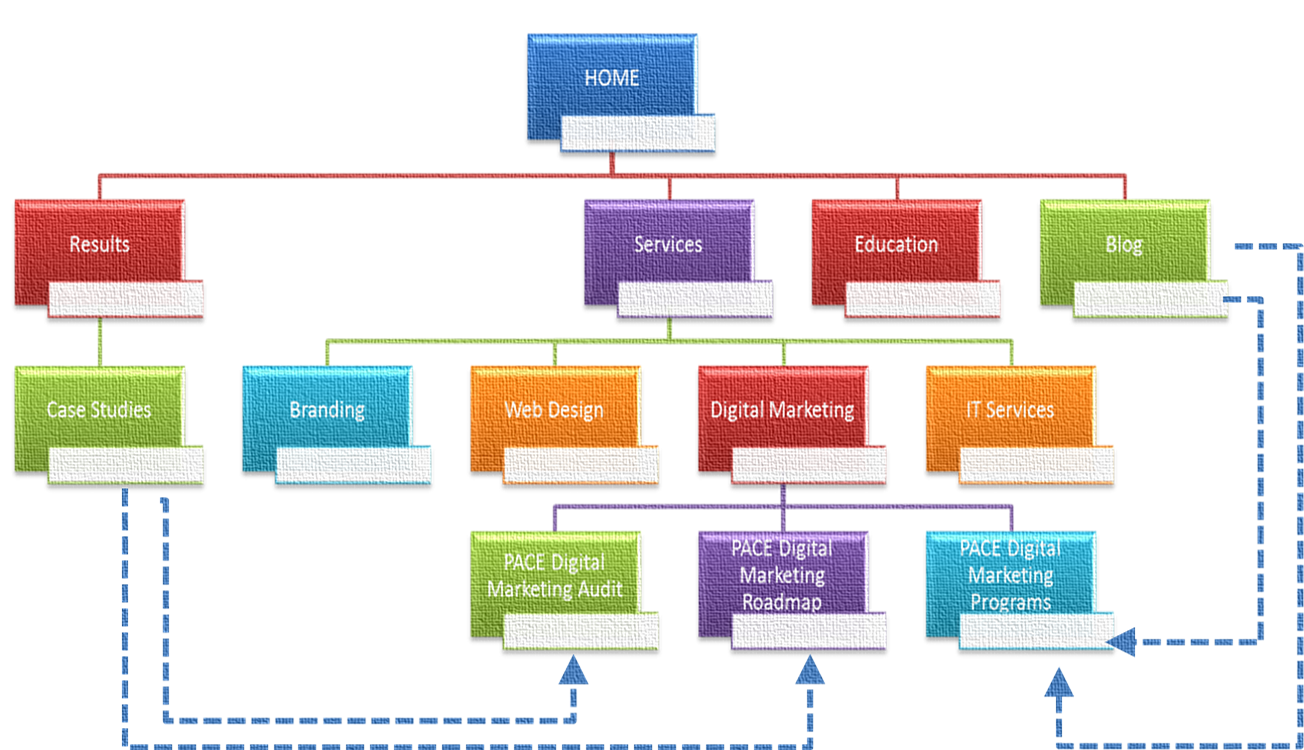
Internal links help search engines discover and understand new pages.
When a new article links to older content on the same topic, search engines recognize relationships between pages.
This structure distributes authority across the site and strengthens topical relevance.
Readers also benefit because they easily find additional helpful resources.
Internal linking encourages visitors to explore multiple pages during a single session.
Build Topic Clusters Around Core Subjects
Topic clusters organize content around central themes.
A pillar page introduces a broad topic, while supporting articles explore detailed aspects of that subject.
Search engines interpret this structure as expertise.
When your website consistently publishes related content within the same topic, authority grows naturally.
This authority increases ranking potential for new articles.
Improve Technical SEO Performance
Technical SEO ensures that search engines can access and evaluate your website efficiently.
Optimize Page Speed

Page speed significantly influences user experience.
Visitors expect websites to load quickly. Slow-loading pages frustrate users and increase bounce rates.
Search engines recognize this behavior and consider speed as a ranking factor.
Optimizing images, using reliable hosting, and minimizing unnecessary scripts help improve loading performance.
Fast websites provide smoother browsing experiences for readers.
Ensure Mobile-Friendly Design

Most internet users now access websites through smartphones.
Search engines, therefore,e prioritize mobile-friendly websites.
Responsive design ensures that content adapts smoothly to different screen sizes.
Readable text, properly scaled images, and accessible navigation improve mobile usability.
Mobile optimization contributes to stronger rankings and better user satisfaction.
Monitor Performance and Improve Continuously
SEO success requires consistent evaluation and improvement.
Use Analytics to Understand Visitor Behavior

Analytics tools reveal how visitors interact with your content.
These insights show which pages attract traffic, how long readers stay, and where visitors come from.
Understanding these patterns helps identify successful topics.
When an article performs well, expanding that topic with additional content often increases traffic further.
Update Content Regularly

Search engines prefer fresh and relevant information.
Updating older articles with new insights, statistics, or examples keeps them competitive in search results.
Content updates signal ongoing relevance.
Many websites regain rankings simply by refreshing existing pages.
Read Also
If you want your SEO strategy to deliver results faster, understanding how search rankings work becomes essential.
Read this related guide:
How to Rank Articles Faster on Google
https://bigtargetmedia.com/how-to-rank-articles-faster-on-google/
This article explains practical techniques that help new content reach search results more quickly through keyword strategy, internal linking, and optimization.
Conclusion
Learning the best SEO tips for beginners in 2026 involves understanding how search engines evaluate content, choosing realistic keywords, creating well-structured articles, strengthening internal linking, and improving technical performance.
Beginners who focus on providing helpful information and organizing their websites clearly build strong foundations for search visibility.
When these strategies work together consistently, SEO becomes a powerful system that attracts organic traffic and supports long-term online growth.
