


Bigtargetmedia.com – Search engine optimization remains one of the most powerful ways for bloggers to attract consistent traffic. However, SEO becomes much easier when bloggers use the right tools to analyze keywords, optimize content, and track performance. Understanding which SEO tools for bloggers provide the most value can dramatically improve both productivity and search rankings.
Imagine SEO as navigating a vast digital landscape. Without the right tools, bloggers move blindly through millions of search results. With the right tools, they gain maps, data, and insights that reveal exactly where opportunities exist.
Modern SEO tools help bloggers discover search demand, analyze competitors, structure content effectively, and monitor ranking progress. These insights transform blogging from guesswork into a strategic process.
This guide explores the best SEO tools for bloggers, explaining how each type of tool supports different stages of the SEO process, from keyword research to traffic analysis.
Keyword Research Tools
Keyword research forms the foundation of successful SEO strategies.
Discover Search Opportunities With Keyword Research Platforms

Keyword research tools reveal what people search for online. Bloggers who understand search demand can create articles that match real user questions.
Tools such as Ahrefs, SEMrush, and Ubersuggest analyze search volume, competition levels, and keyword difficulty. These metrics help bloggers identify opportunities where ranking remains realistic.
For example, instead of targeting extremely competitive keywords, bloggers can discover long-tail phrases that attract specific audiences.
These insights help bloggers plan content that search engines can connect with readers more easily.
Analyze Competitor Keywords
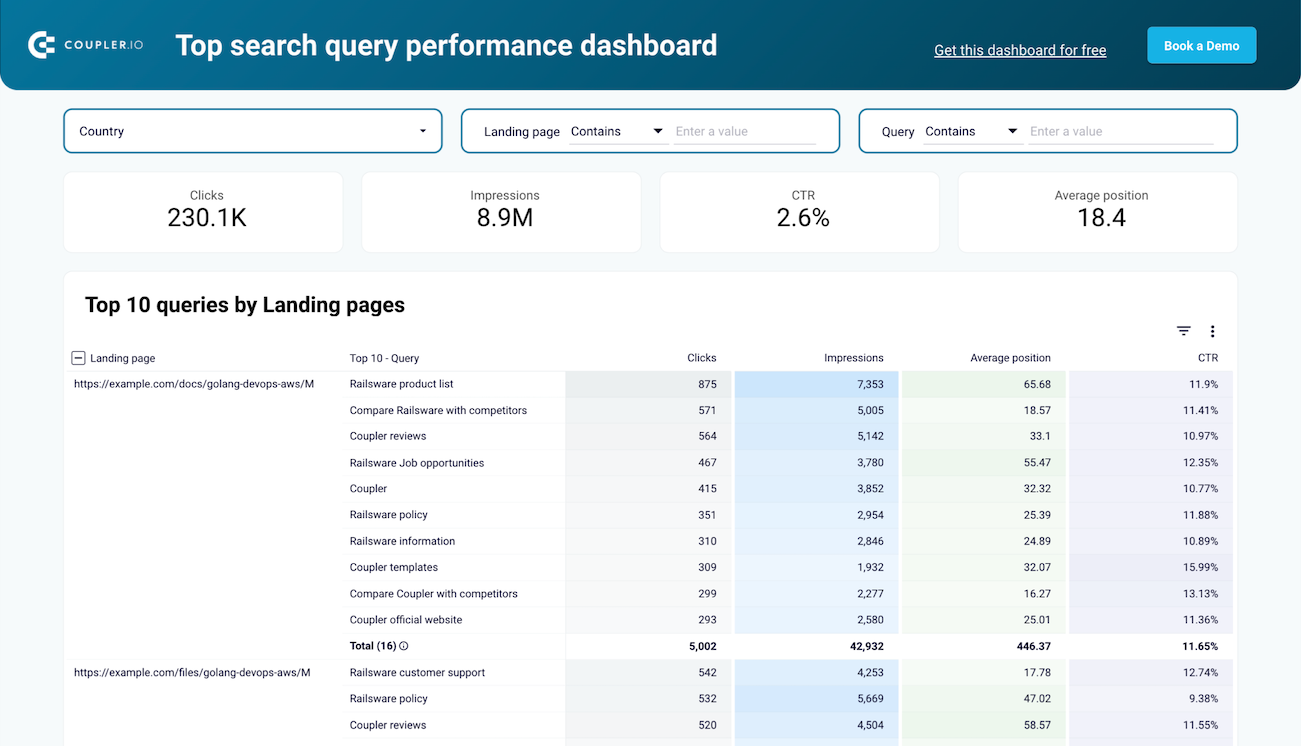
Competitor analysis tools reveal which keywords drive traffic to other websites.
By studying successful competitors, bloggers gain valuable insight into what topics perform well within a niche.
SEO tools allow users to view top-ranking pages, identify high-performing keywords, and explore content gaps that competitors have not fully addressed.
This research helps bloggers develop smarter content strategies.
When bloggers use these insights effectively, they improve their ability to attract organic traffic.
On-Page SEO Optimization Tools
Once bloggers choose a keyword, content optimization tools help ensure the article meets SEO best practices.
Optimize Content Structure and Keyword Placement

On-page SEO tools analyze content structure and provide suggestions for improvement.
Plugins such as Rank Math and Yoast SEO guide bloggers while they write. These tools evaluate keyword placement, readability, meta descriptions, and heading structure.
For example, they highlight whether the keyword appears in important locations such as the title, introduction, and headings.
These recommendations help bloggers maintain clear optimization without overusing keywords.
When bloggers consistently apply these suggestions, their content becomes easier for search engines to interpret.
Improve Readability and User Experience

Search engines evaluate how readers interact with content. Articles that remain easy to read often perform better because readers stay engaged longer.
On-page optimization tools analyze sentence length, paragraph structure, and readability scores.
These insights help bloggers create clear explanations that readers can follow easily.
Readable content increases engagement metrics such as time on page, which supports stronger SEO performance.
Technical SEO Tools
Technical SEO ensures that search engines can access and interpret a website effectively.
Monitor Website Health and Crawlability
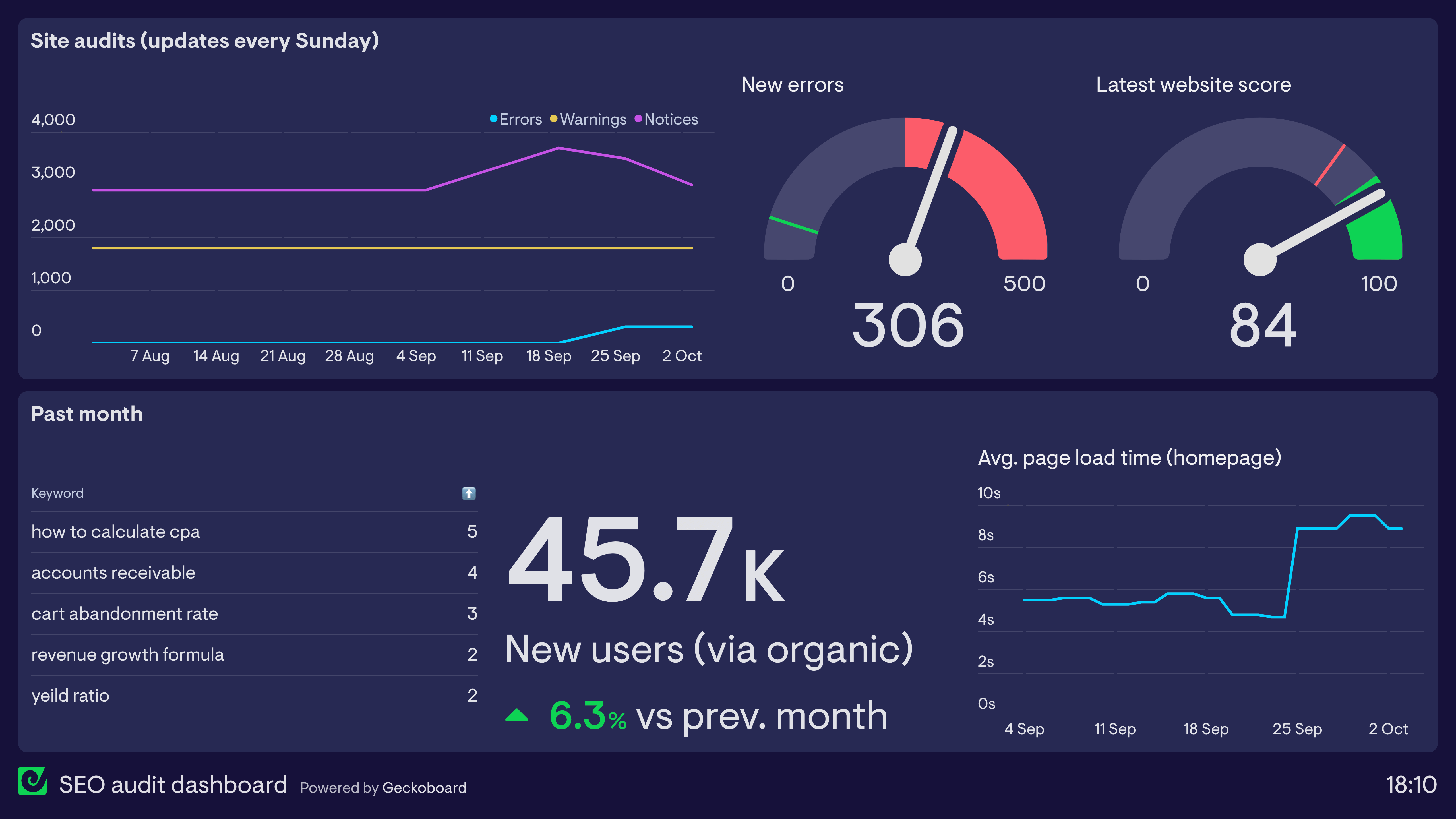
Technical SEO tools analyze the health of a website and identify potential issues.
Platforms such as Screaming Frog and Ahrefs Site Audit scan websites to detect broken links, missing metadata, and crawl errors.
These issues can prevent search engines from properly indexing pages.
By resolving technical problems, bloggers improve their website’s ability to rank.
Healthy websites provide smoother experiences for both readers and search engines.
Improve Website Speed and Performance
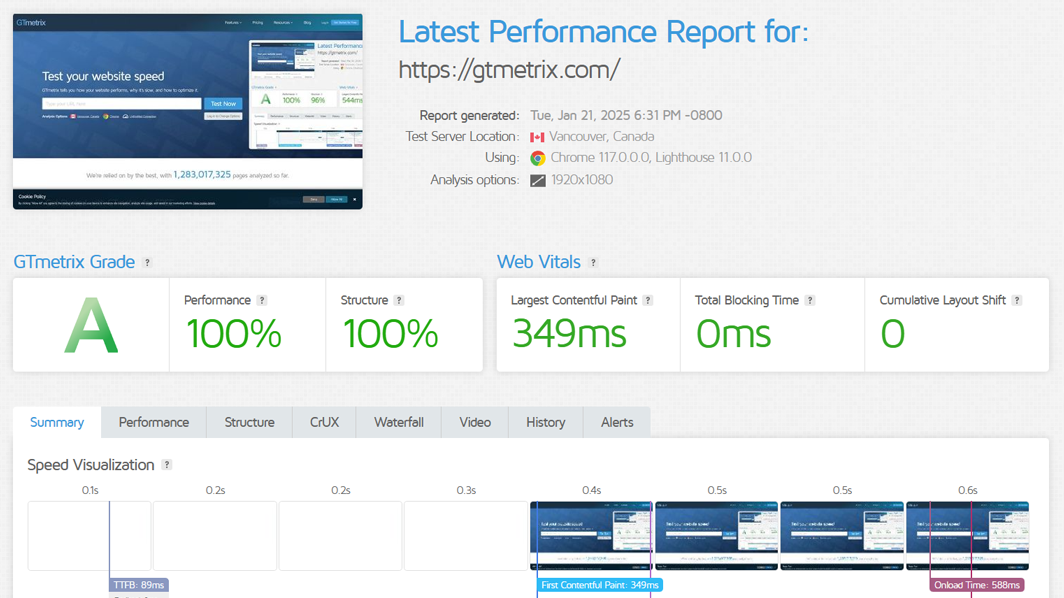
Page speed influences both user experience and search rankings.
Tools such as Google PageSpeed Insights and GTmetrix analyze loading performance and provide recommendations for improvement.
They highlight issues such as large images, excessive scripts, or inefficient code.
Improving these elements helps websites load faster, which reduces bounce rates and improves engagement.
Faster websites often achieve stronger rankings in search results.
Rank Tracking and Performance Monitoring Tools
Tracking performance helps bloggers understand which strategies work.
Monitor Keyword Rankings
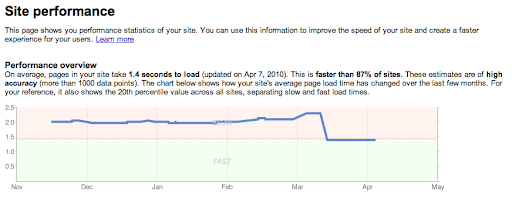
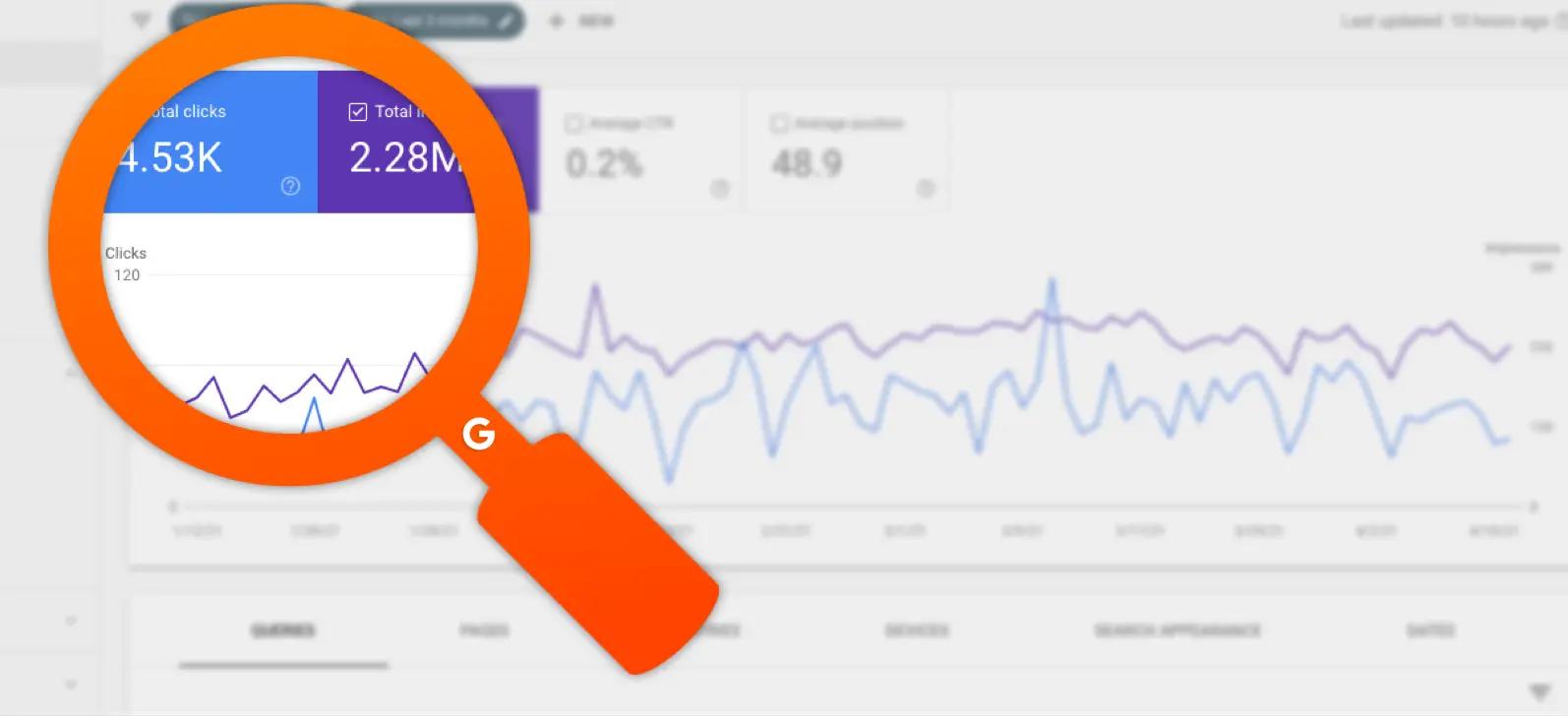
Rank tracking tools show how articles perform in search results.
Platforms such as SERPWatcher and SEMrush Position Tracking monitor keyword rankings over time.
These insights reveal whether optimization efforts improve visibility.
When rankings rise, bloggers know their strategy works. When rankings drop, adjustments can restore performance.
Tracking data allows bloggers to refine their SEO approach continuously.
Analyze Website Traffic

Traffic analytics tools reveal how visitors interact with a website.
Google Analytics shows which pages attract the most traffic, how visitors arrive, and how long they stay on each page.
These insights help bloggers identify successful topics and replicate effective strategies.
Analytics also reveal opportunities for improving weaker pages.
Understanding visitor behavior supports smarter SEO decisions.
Content Research and Idea Generation Tools
Finding the right content ideas plays a crucial role in SEO success.
Discover Trending Topics

Content research tools reveal which topics attract strong engagement online.
Platforms such as BuzzSumo and AnswerThePublic analyze popular questions and trending discussions within specific niches.
These insights help bloggers identify content opportunities that already interest audiences.
Writing about topics that people actively search for increases the chances of ranking well.
Analyze Content Performance Across the Web

Content analysis tools reveal which articles receive strong engagement across the internet.
By studying popular content, bloggers learn what type of headlines, structures, and topics resonate with readers.
These insights guide content creation strategies.
When bloggers combine keyword research with trending topic analysis, they create articles that attract both search traffic and audience interest.
Read Also
Growing blog traffic often requires combining SEO tools with strong content strategies.
Read this related guide:
How to Get 1000 Visitors per Day to Your Website
https://bigtargetmedia.com/how-to-get-1000-visitors-per-day-to-your-website/
This article explains practical strategies bloggers can use to grow consistent daily traffic through SEO, content planning, and promotion techniques.
Conclusion
Choosing the right SEO tools for bloggers can dramatically improve the efficiency and effectiveness of search engine optimization. Keyword research tools reveal search demand, content optimization tools improve article structure, technical tools maintain website health, and analytics platforms track performance.
Bloggers who combine these tools with consistent content creation gain valuable insights into how search engines and readers interact with their websites.
When used strategically, SEO tools transform blogging from guesswork into a data-driven process that supports long-term growth and stronger search rankings.
