

Bigtargetmedia.com – Search engine optimization determines whether people can find your website when they search online. Even a beautifully designed website struggles to grow if search engines cannot understand its content or if competitors provide stronger optimization. Learning how to improve your website SEO allows your content to appear in front of the right audience and generate consistent organic traffic.
SEO often feels complicated because it involves multiple elements working together. However, when you break it down into clear steps, the process becomes much easier to manage. At its core, SEO focuses on helping search engines understand your website and ensuring that visitors find valuable answers to their questions.
Think of SEO as building clear pathways that guide search engines toward your content. When those pathways remain structured, logical, and relevant, search engines confidently recommend your pages in search results.
This guide explains practical strategies to improve your website SEO by focusing on content quality, keyword research, technical performance, and strategic linking.
Understand the Core Principles of SEO
Before improving SEO performance, it helps to understand how search engines evaluate websites.
Learn How Search Engines Crawl and Index Pages
Search engines use automated programs called crawlers to discover webpages across the internet. These crawlers follow links from page to page, collecting information about each website they encounter.
Once the crawler finds a page, the search engine analyzes its content, structure, and relevance. If the page provides useful information, the search engine stores it in an index.
Only indexed pages appear in search results.
For website owners, this process highlights a critical requirement. Search engines must easily access and interpret your pages. If your site structure prevents crawlers from navigating the content efficiently, your pages may struggle to rank.
Improving crawlability and indexing becomes the first step when trying to improve your website’s SEO.
Focus on User Experience
Search engines prioritize websites that deliver positive experiences for users. When readers quickly find helpful answers, they stay longer and interact with the page.
Metrics such as time on page, scrolling behavior, and return visits provide signals about content quality.
Websites that consistently provide helpful information often rank higher because search engines recognize their value.
By focusing on user experience, website owners create content that both readers and search engines appreciate.
Conduct Effective Keyword Research
Keyword research guides search engines toward the topics your website covers.
Identify Keywords With Real Search Demand
Keywords represent the phrases people type into search engines. When your content answers these queries clearly, search engines connect your website with those users.
Keyword research tools reveal search volume, competition levels, and related phrases.
Long-tail keywords often provide the best opportunities for newer websites. These phrases contain multiple words and reflect specific questions.
For example, instead of targeting a broad keyword like “SEO,” you might target “how to improve your website SEO.”
These targeted phrases usually face less competition and attract readers with clear intent.
Analyze Competitor Content
Studying competitor content reveals valuable insights into ranking strategies.
By analyzing the top results for your target keyword, you can identify patterns in structure, depth, and topic coverage.
Look for opportunities to improve the existing content. Adding clearer explanations, better examples, or updated information helps your article stand out.
Search engines reward content that provides stronger answers than competing pages.
Improve On-Page SEO Elements
On-page SEO helps search engines interpret the meaning of your content.
Optimize Titles, Headings, and Meta Descriptions

Titles and headings help search engines understand the structure of a page.
A well-optimized title includes the main keyword while clearly describing the article’s topic. Headings organize information into sections that guide readers through the content.
Meta descriptions summarize the page for search results. Although they do not directly influence rankings, they influence whether users click the result.
Clear metadata improves visibility and click-through rates.
Maintain Natural Keyword Placement

Keywords signal relevance to search engines. However, excessive repetition harms readability and may reduce rankings.
The best approach involves natural placement. Include the keyword in the introduction, headings, and conclusion while maintaining smooth writing.
Balanced keyword usage allows search engines to recognize the topic without compromising the reader’s experience.
Strengthen Internal Linking Strategy
Internal links help search engines navigate your website.
Connect Related Articles
Internal links create pathways between related articles.
When a page links to other relevant pages within the same site, search engines gain a clearer understanding of topic relationships.
Readers also benefit because they can easily explore additional information.
For example, an article about SEO optimization might link to guides about keyword research or website traffic strategies.
This interconnected structure improves both usability and search visibility.
Build Topic Clusters
Topic clusters organize content around central themes.
A pillar article introduces a broad topic, while supporting articles explore detailed aspects of the subject.
Search engines interpret this structure as topical authority.
When your website consistently publishes related content, its credibility within that niche increases.
Authority helps pages rank more easily.
Improve Technical SEO Performance
Technical optimization ensures that search engines access and evaluate your website efficiently.
Optimize Website Speed
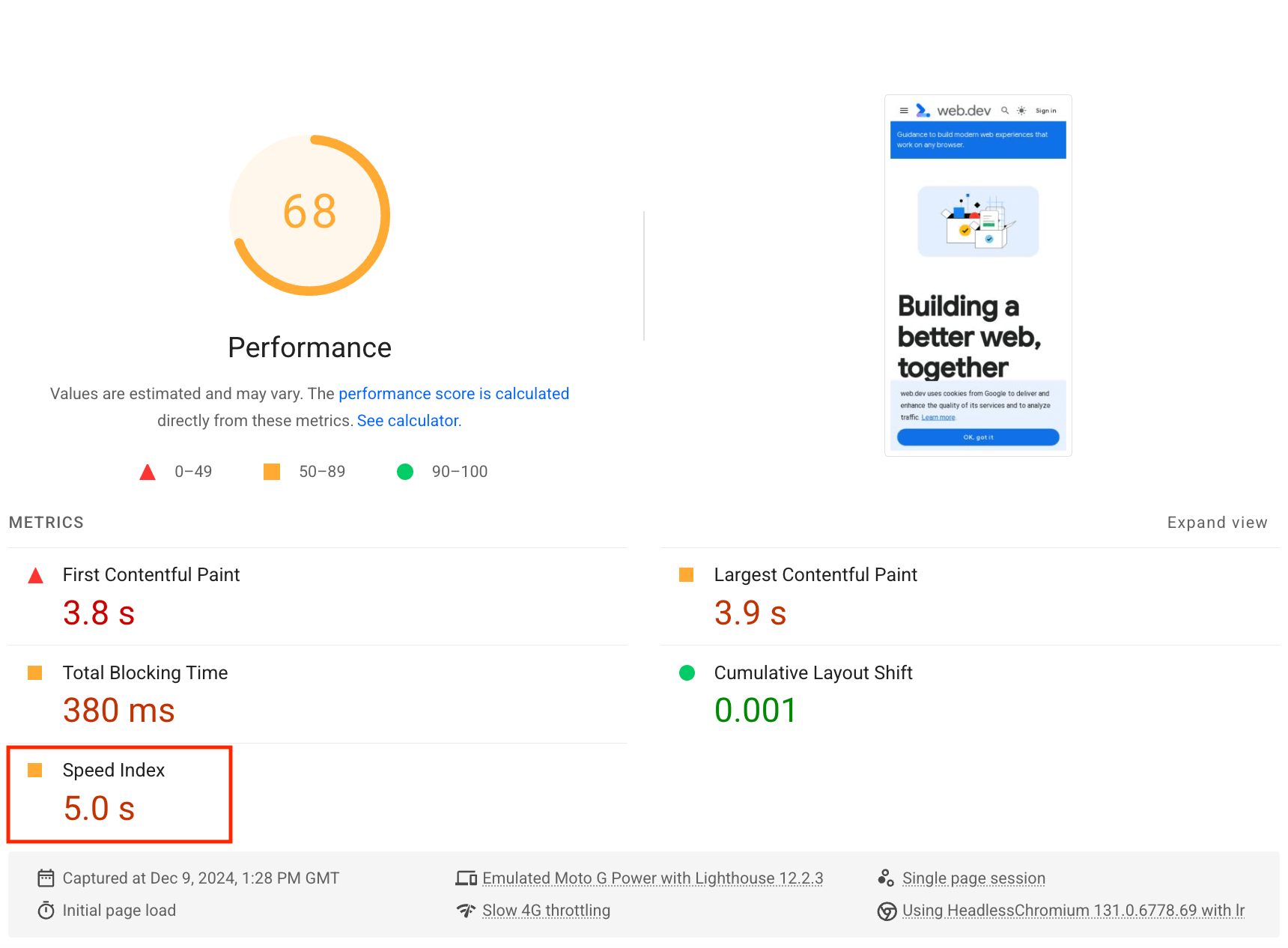
Page speed significantly affects both user experience and search rankings.
Visitors prefer websites that load quickly. Slow pages frustrate users and increase bounce rates.
Search engines interpret slow loading times as negative signals.
Optimizing images, reducing unnecessary scripts, and using reliable hosting improve loading performance.
Fast websites provide smoother experiences for readers.
Ensure Mobile-Friendly Design


Mobile traffic now represents a large portion of internet usage.
Search engines, therefore,e prioritize websites that display properly on smartphones and tablets.
Responsive design ensures that pages adjust to different screen sizes.
Readable text, clear navigation, and properly scaled images improve mobile usability.
Mobile optimization supports stronger SEO performance.
Monitor SEO Performance and Continuously Improve
SEO success depends on ongoing analysis and adjustments.
Track Performance With Analytics Tools

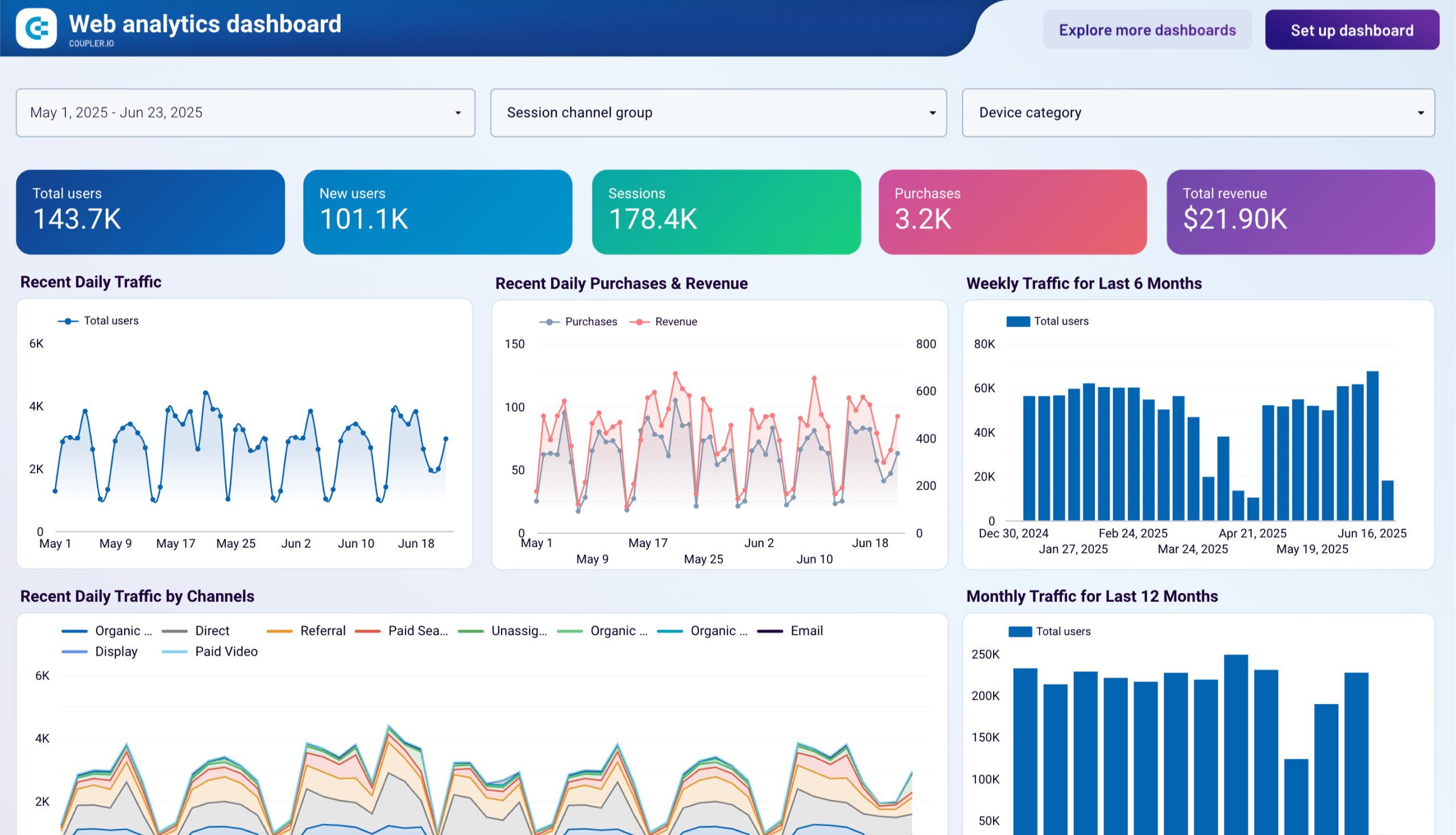
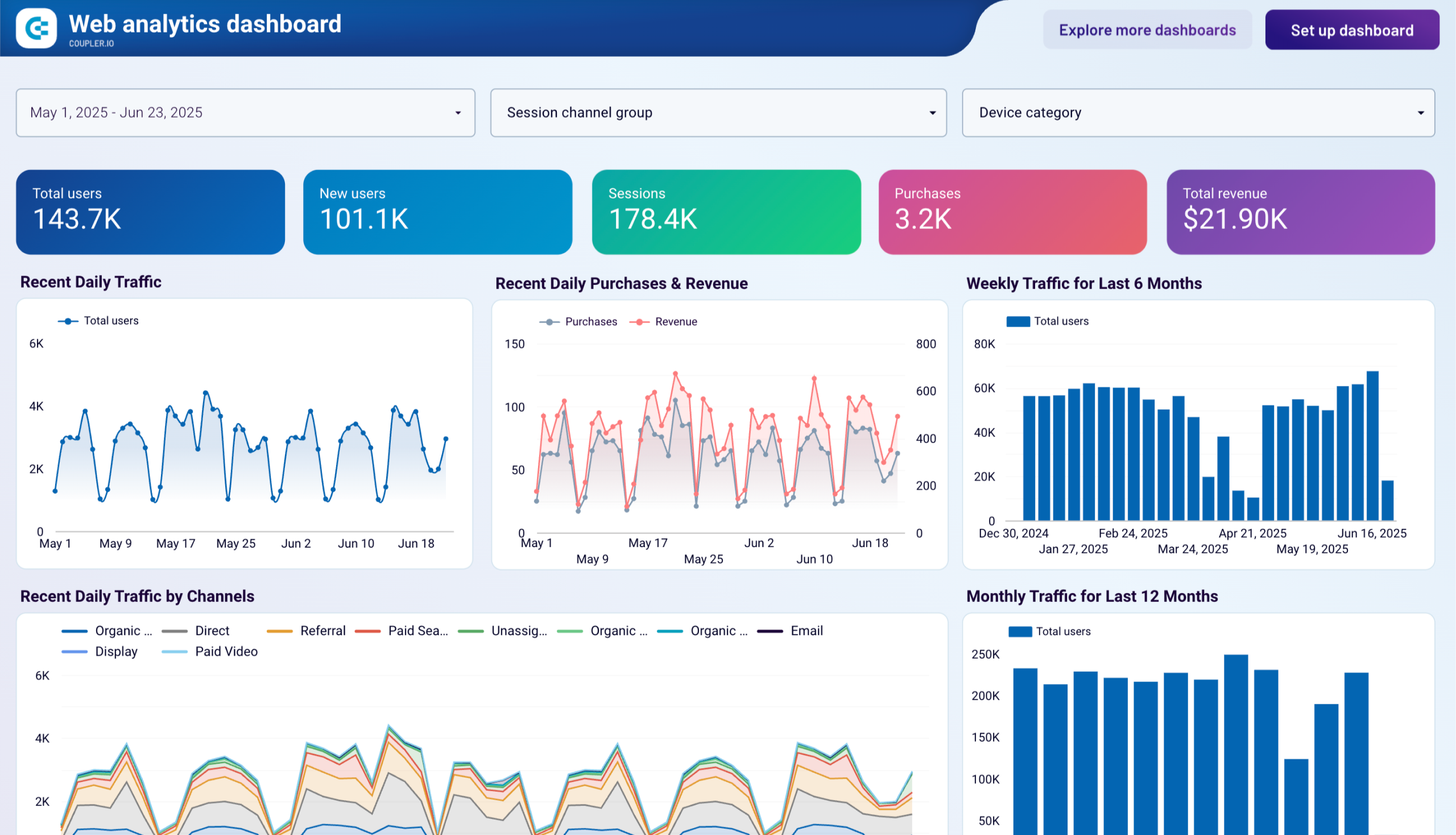
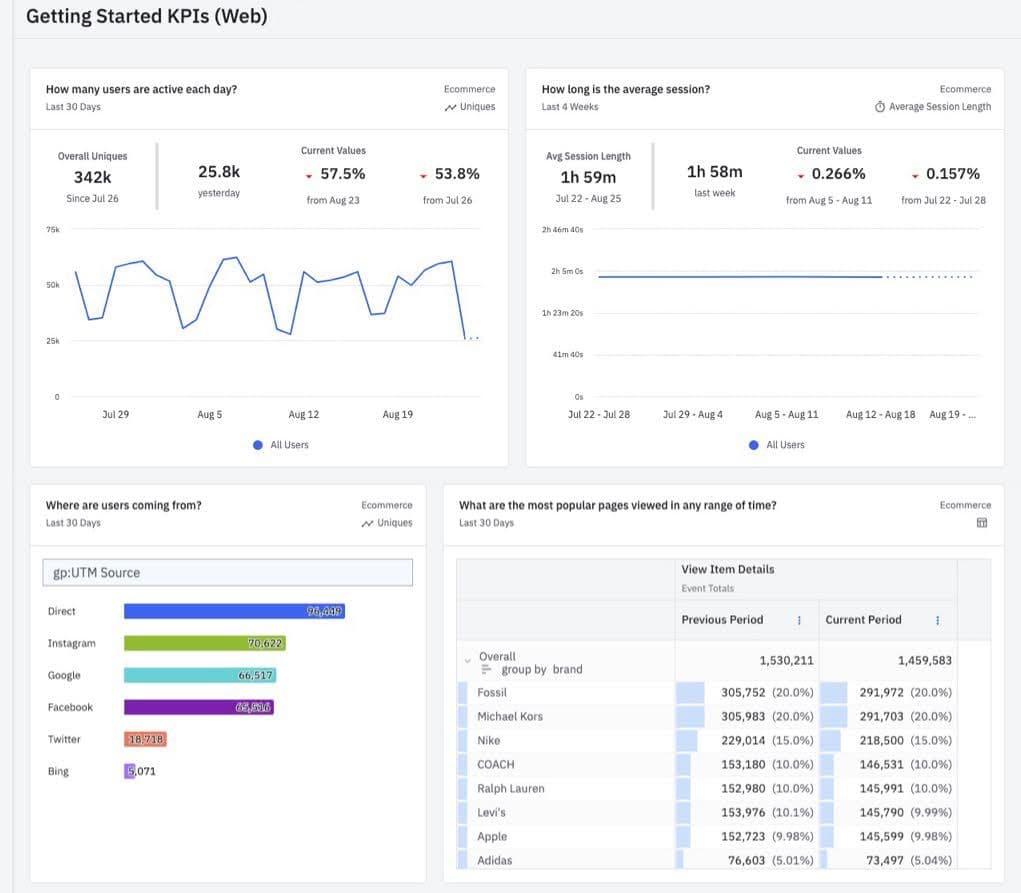
Analytics tools provide valuable insights into visitor behavior.
These platforms show which pages attract the most traffic, how visitors arrive, and how long they stay.
By studying these metrics, website owners identify successful topics and optimize weaker pages.
Performance data guides future content strategies.
Update and Refresh Existing Content
Updating existing articles with new examples, statistics, or explanations keeps them relevant.
Refreshing older content often improves rankings faster than publishing entirely new pages.
Regular updates maintain the long-term value of your website.
Read Also
If you want to turn your optimized website into a source of revenue, blogging offers strong opportunities.
Read this related guide:
How to Earn Passive Income from Blogging
https://bigtargetmedia.com/how-to-earn-passive-income-from-blogging/
This article explains how bloggers combine traffic, content strategy, and monetization methods to create sustainable income streams.
Conclusion
Learning how to improve your website SEO involves combining several essential strategies. Keyword research, high-quality content, structured on-page optimization, internal linking, and technical performance all contribute to stronger search visibility.
When these elements work together, search engines understand your website more clearly and recommend it to the right audience.
By applying these strategies consistently, website owners build stronger rankings, attract organic traffic, and create long-term growth for their online presence.
