

Bigtargetmedia.com – Learning SEO often feels overwhelming at the beginning. Search engines evaluate hundreds of signals, and many professional tools charge expensive monthly fees. That situation raises an important question: Can beginners start optimizing websites effectively without paying for tools?
The answer is yes. Many of the best free SEO tools for beginners provide powerful features that help you research keywords, analyze competitors, track rankings, and fix technical issues. These tools allow new website owners, bloggers, and marketers to build a strong SEO foundation before investing in premium platforms.
Think of SEO like building a house. Before installing advanced features, you must lay a strong foundation. Free SEO tools serve as the essential equipment that helps beginners understand search data, website performance, and optimization opportunities.
This guide explains the best free SEO tools for beginners, how each tool works, and how you can combine them to create an effective SEO workflow.
Why Beginners Should Start With Free SEO Tools
Before discussing specific tools, it helps to understand why free tools play an important role in the learning process.
New SEO learners usually face two challenges: limited budget and limited experience. Premium tools such as Ahrefs or SEMrush provide deep data, but beginners rarely know how to use all those features effectively. Free tools simplify the learning curve while still delivering valuable insights.
Free SEO tools allow beginners to learn three critical SEO skills.
First, they help you understand search intent and keywords. Without keyword research, content rarely reaches the right audience.
Second, they reveal technical website issues. Search engines struggle to index websites with broken pages, slow loading times, or missing metadata.
Third, they provide performance feedback. You can monitor impressions, clicks, and rankings to understand whether your optimization efforts work.
When beginners use the best free SEO tools for beginners, they gain practical knowledge without financial risk. Once the website grows, upgrading to advanced tools becomes much easier.
Keyword Research Tools That Help Beginners Find Search Opportunities
Keyword research forms the backbone of SEO. It reveals what people search for and helps you create content that answers those questions.
Google Keyword Planner

Google Keyword Planner originally served advertisers, but it also functions as one of the best free SEO tools for beginners who want to explore search demand.
The tool allows users to enter a topic, product, or website and receive keyword suggestions related to that theme. Each keyword shows estimated search volume and competition levels.
For example, if a beginner runs a travel blog and types “budget travel,” the planner generates related phrases such as “cheap travel destinations,” “budget travel tips,” and “affordable vacation ideas.”
Beginners should focus on long-tail keywords. These phrases contain three or more words and usually have lower competition. A phrase like “budget travel tips for students” often ranks faster than a broad keyword such as “travel.”
Keyword Planner also reveals seasonal trends. Some keywords experience spikes during certain months, which helps beginners plan content calendars strategically.
Ubersuggest
Ubersuggest provides a beginner-friendly interface that simplifies keyword research. Many SEO newcomers prefer it because the tool visualizes data clearly.
After entering a keyword, Ubersuggest displays several helpful metrics: search volume, SEO difficulty, paid difficulty, and estimated traffic potential. It also suggests related keywords and content ideas.
One powerful feature shows which pages currently rank for a keyword. Beginners can examine those pages to understand what type of content search engines prefer.
Imagine you search “home workout routine.” Ubersuggest reveals the top pages ranking for that keyword and their estimated traffic. By analyzing those results, beginners can learn how to structure content and what topics they must cover.
Among the best free SEO tools for beginners, Ubersuggest stands out because it combines keyword research with competitor analysis in a simple dashboard.
Website Performance Tools That Show How Google Sees Your Site
Keyword research helps you create content, but website performance determines whether search engines can index and rank that content properly.
Google Search Console

Google Search Console remains one of the best free SEO tools for beginners because it provides direct data from Google itself.
Once you connect your website, the tool begins collecting valuable search information. You can see which keywords trigger impressions, which pages receive clicks, and how often your pages appear in search results.
For example, a beginner may discover that a blog post appears for the keyword “healthy breakfast recipes” but receives few clicks. That insight suggests the title or meta description may need improvement.
Search Console also highlights indexing issues. If Google cannot crawl certain pages, the tool identifies the problem and suggests solutions.
Another helpful feature shows backlinks pointing to your website. Backlinks influence rankings because search engines treat them as signals of authority.
By regularly reviewing Search Console data, beginners learn how search engines interpret their content. This knowledge strengthens a long-term SEO strategy.
Google Analytics
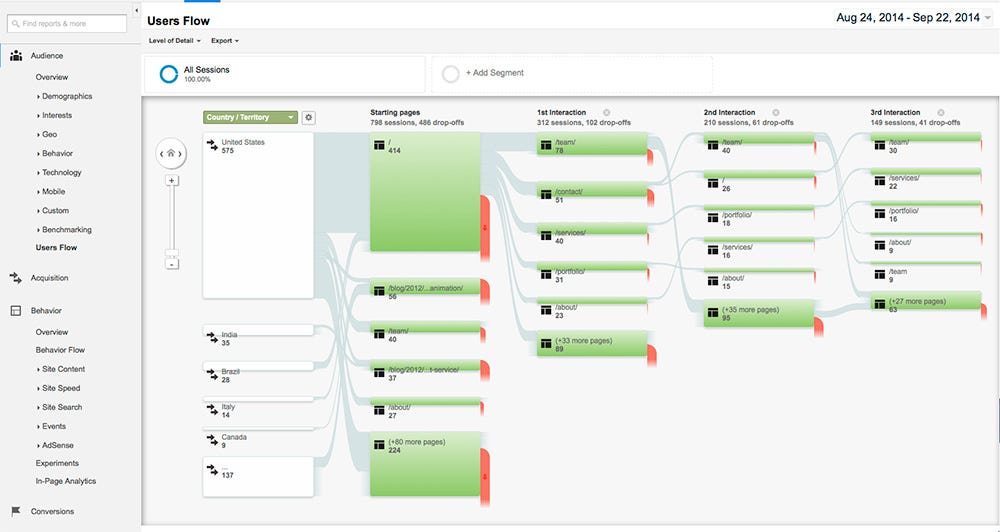
Google Analytics focuses on visitor behavior rather than search visibility. However, it still belongs among the best free SEO tools for beginners because it explains how users interact with a website.
Analytics tracks metrics such as:
- page views
- session duration
- bounce rate
- traffic sources
These metrics reveal how visitors respond to your content.
Suppose a beginner writes an article targeting the keyword “morning workout routine.” Analytics may show that readers leave the page within 10 seconds. That signal suggests the introduction fails to capture interest or the page loads slowly.
By studying user behavior, beginners can improve content quality, readability, and internal linking.
SEO success depends not only on ranking but also on engagement. Google Analytics helps beginners understand that relationship.
Technical SEO Tools That Fix Hidden Website Problems
Even excellent content struggles to rank if technical issues block search engines from crawling the website. Technical SEO tools identify those hidden problems.
Screaming Frog SEO Spider (Free Version)
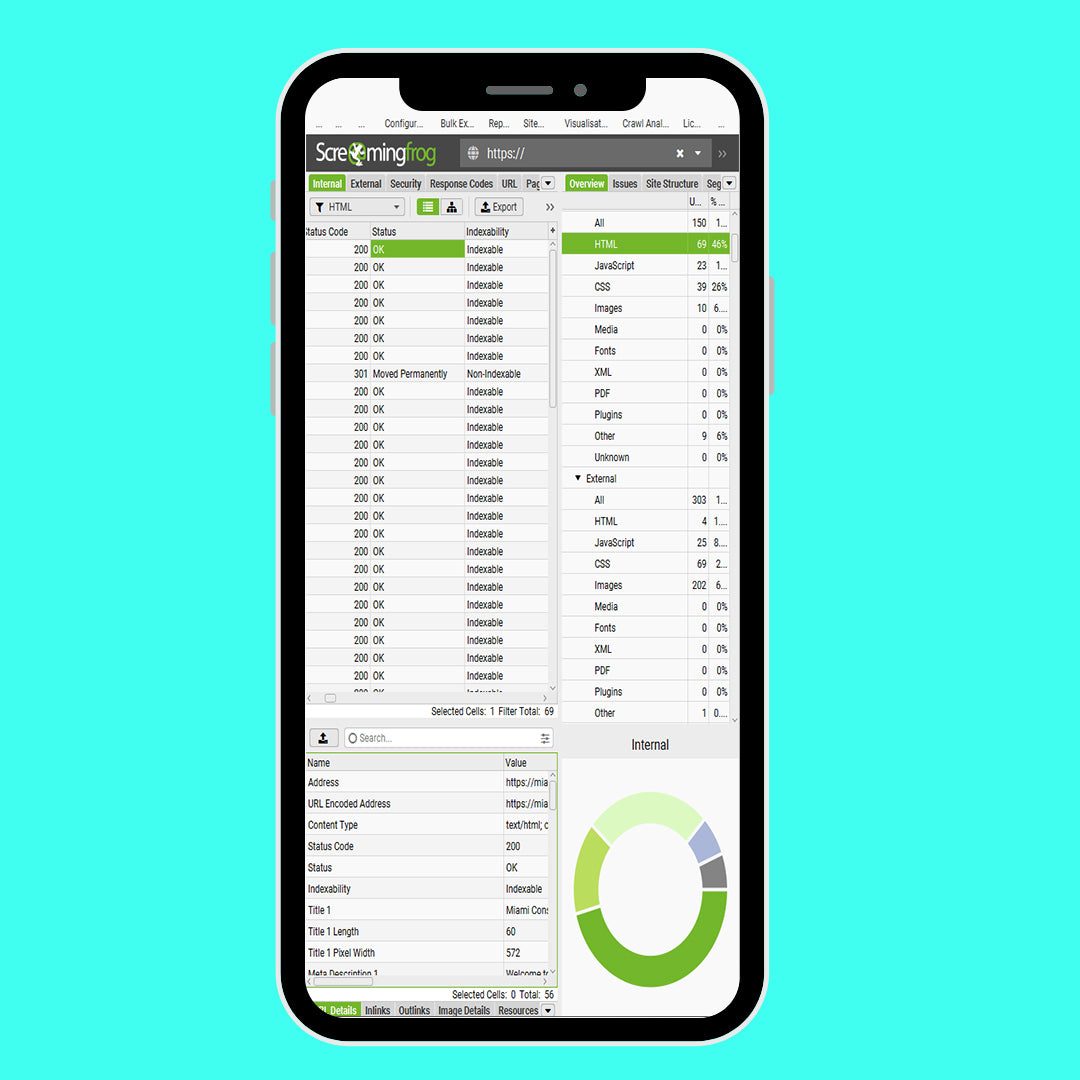
Screaming Frog functions like a search engine crawler. It scans websites and analyzes technical SEO elements.
The free version allows beginners to crawl up to 500 URLs, which works well for small websites and blogs.
After scanning a site, the tool reports issues such as:
- broken links
- missing title tags
- duplicate meta descriptions
- redirect chains
For example, if several pages contain identical titles, search engines struggle to determine which page deserves ranking priority. Screaming Frog quickly identifies those duplicates.
Although the interface looks technical at first, beginners quickly learn how valuable this tool can be. It reveals structural problems that often remain invisible during manual review.
For anyone serious about learning SEO, Screaming Frog deserves a place among the best free SEO tools for beginners.
Content Optimization Tools That Improve On-Page SEO
SEO also depends on how well your content aligns with search intent. Content optimization tools help beginners refine their pages.
Yoast SEO (WordPress Plugin)
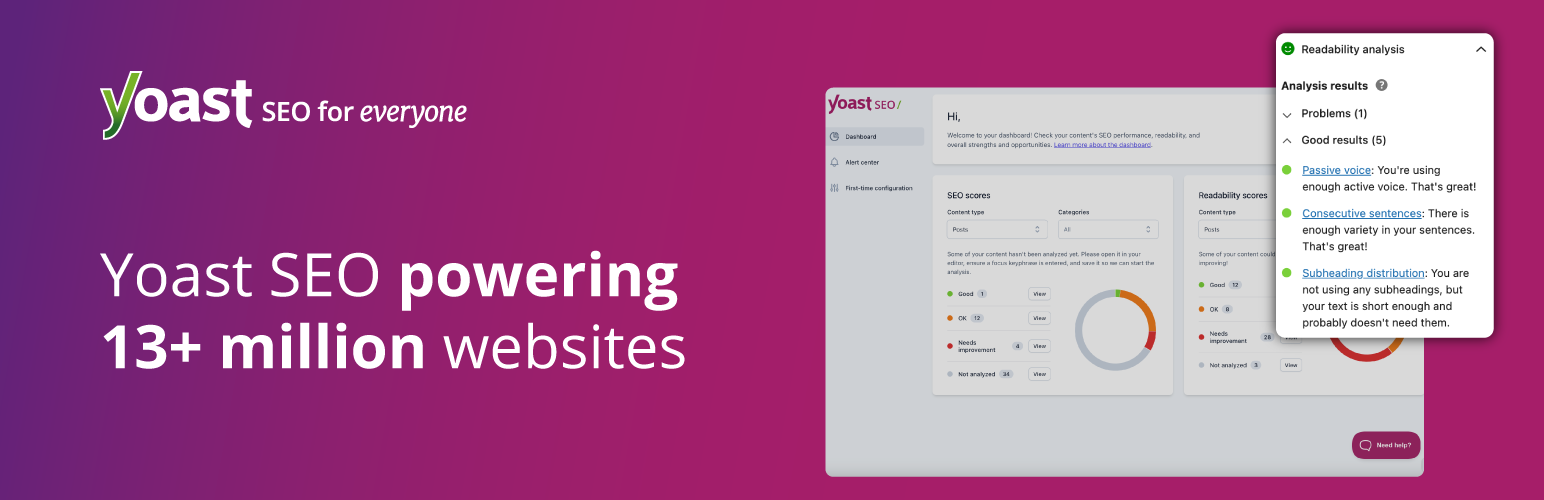
Yoast SEO remains one of the most widely used WordPress plugins for on-page optimization. The plugin evaluates each page and provides recommendations for improvement.
Yoast analyzes factors such as keyword usage, readability, internal links, and metadata. It highlights problems directly inside the WordPress editor.
For example, if your keyword appears too rarely or too frequently, the plugin provides suggestions. It also checks sentence length and paragraph structure to improve readability.
Beginners often struggle with proper SEO structure. Yoast acts like a digital instructor that guides them step by step.
Because of this educational role, many experts consider Yoast one of the best free SEO tools for beginners who run WordPress websites.
Rank Tracking Tools That Measure SEO Progress
SEO takes time. Rankings rarely improve overnight. Rank tracking tools help beginners measure progress and stay motivated.
SERP Robot
SERP Robot allows users to track how keywords move within search results. Beginners can monitor several keywords without paying subscription fees.
After entering a keyword and website URL, the tool checks where that page appears in Google search results.
Tracking rankings helps beginners evaluate their optimization strategy. If rankings gradually improve, the strategy works. If rankings decline, adjustments may be necessary.
For example, a blog targeting “healthy meal prep ideas” might initially rank on page five. After improving the article with better headings and internal links, the ranking may rise to page two.
Watching that improvement provides valuable feedback and motivation. That is why rank trackers remain an essential part of the best free SEO tools for beginners.
How Beginners Can Combine Free Tools Into a Simple SEO Workflow
Individual tools provide valuable data, but real SEO power appears when you combine them into a workflow.
A beginner-friendly SEO process might look like this.
Start with keyword research tools to identify search opportunities. Choose long-tail keywords with realistic competition levels.
Next, create optimized content using on-page optimization tools such as Yoast SEO. Ensure that the article answers the search intent clearly.
After publishing, monitor search visibility through Google Search Console. Identify keywords that generate impressions but lack clicks.
Use technical SEO tools like Screaming Frog to fix structural problems that could prevent indexing.
Finally, track ranking improvements using rank tracking tools.
This workflow transforms several free resources into a complete SEO system.
Conclusion
Beginners often assume that effective SEO requires expensive software. In reality, many of the best free SEO tools for beginners already provide the essential data needed to optimize websites and understand search behavior.
Tools like Google Keyword Planner, Ubersuggest, Google Search Console, Google Analytics, Screaming Frog, Yoast SEO, and SERP Robot allow beginners to research keywords, analyze website performance, fix technical issues, and track ranking progress.
When used together, these tools create a powerful learning environment where beginners develop real SEO skills without financial barriers.
The key lesson remains simple: mastering SEO does not start with expensive tools. It starts with curiosity, experimentation, and consistent use of the best free SEO tools for beginners to understand how search engines and users interact with your content.
