


Bigtargetmedia.com – Search engine optimization rarely happens in isolation. Every website competes with dozens or even hundreds of other websites targeting the same keywords and audiences. If a business wants to improve search visibility, it must understand not only its own SEO strategy but also the strategies used by competitors. That is why many marketers rely on the best competitor analysis tools SEO professionals use to uncover valuable insights about competing websites.
Competitor analysis in SEO works much like studying rival teams in sports. A team improves its chances of winning when it understands how opponents play, which tactics they rely on, and where their weaknesses appear. In the digital world, SEO competitor tools reveal which keywords competitors rank for, which pages generate the most traffic, and how their backlink profiles support their rankings.
The best competitor analysis tools SEO specialists use help businesses identify ranking opportunities, refine content strategies, and build stronger backlink campaigns. These tools transform raw data into actionable insights that guide smarter marketing decisions.
Comprehensive SEO Platforms for Competitor Analysis
Some SEO platforms provide complete ecosystems for keyword research, backlink monitoring, and competitive insights.
SEMrush: Competitive Intelligence for Digital Marketing

SEMrush offers one of the most comprehensive competitor analysis systems available in digital marketing. The platform allows users to enter a competitor’s domain and immediately see detailed insights about its search performance.
The tool reveals which keywords competitors rank for, the estimated traffic those keywords generate, and the pages responsible for that traffic. Marketers can quickly identify high-performing content and evaluate how competitors structure their SEO strategy.
Another powerful feature involves keyword gap analysis. This function compares multiple domains and highlights keywords that competitors rank for, but your website does not yet target.
For example, if three competing websites rank for “local digital marketing agency” while your website does not, that keyword represents a clear opportunity.
Because of its extensive competitive research features, SEMrush consistently ranks among the best competitor analysis tools SEO professionals rely on.
Backlink Analysis Tools for Understanding Competitor Authority
Backlinks remain one of the most important ranking signals in search engine algorithms. Analyzing competitor backlinks helps identify link-building opportunities.
Ahrefs: Deep Backlink Intelligence
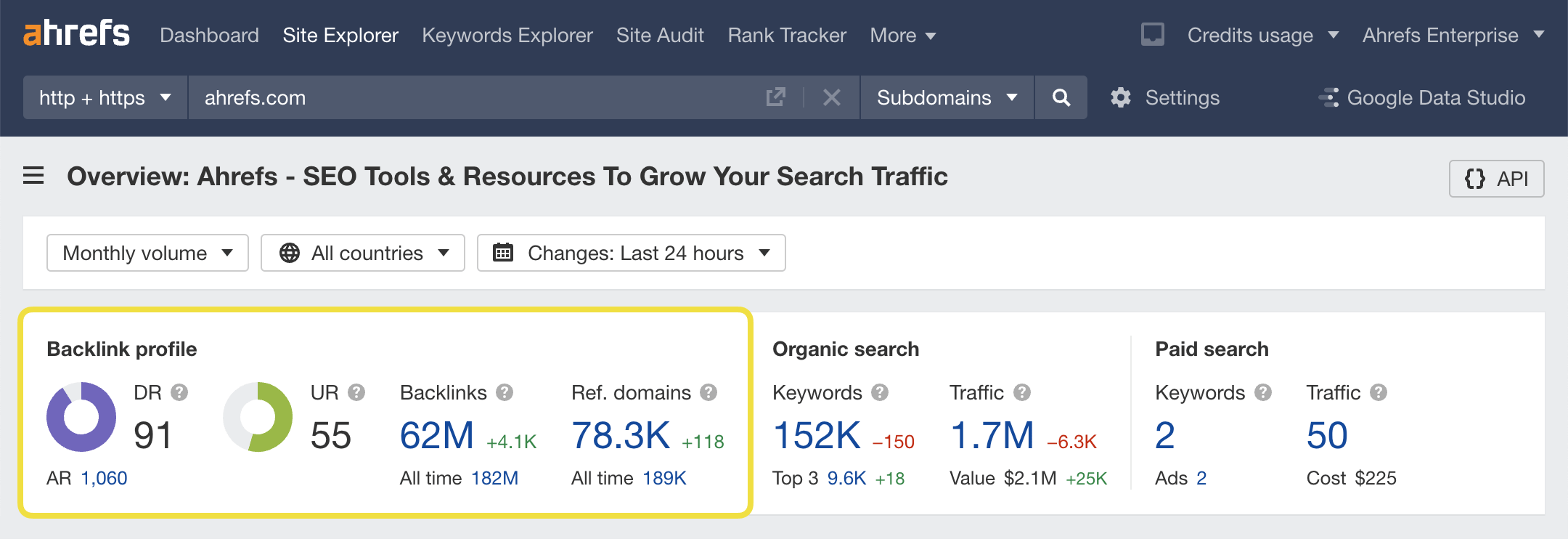
Ahrefs provides one of the largest backlink databases in the SEO industry. Its Site Explorer feature allows users to examine the backlink profile of any competitor website.
The platform shows which domains link to competitor pages, how strong those links are, and which pages attract the most backlinks.
This information helps marketers identify potential link-building targets. If several authoritative websites link to competitor content, there is a strong possibility they might also link to your content when it offers equal or greater value.
Another useful feature involves identifying broken backlinks pointing to competitor pages. Marketers can contact those linking websites and suggest replacing broken links with their own content.
Because of its backlink intelligence capabilities, Ahrefs remains one of the best competitor analysis tools SEO experts use to strengthen domain authority.
Keyword Gap Analysis Tools for Strategic SEO Planning
Understanding keyword gaps allows businesses to identify topicsthat competitors dominate.
Moz Pro: Keyword Competitor Analysis
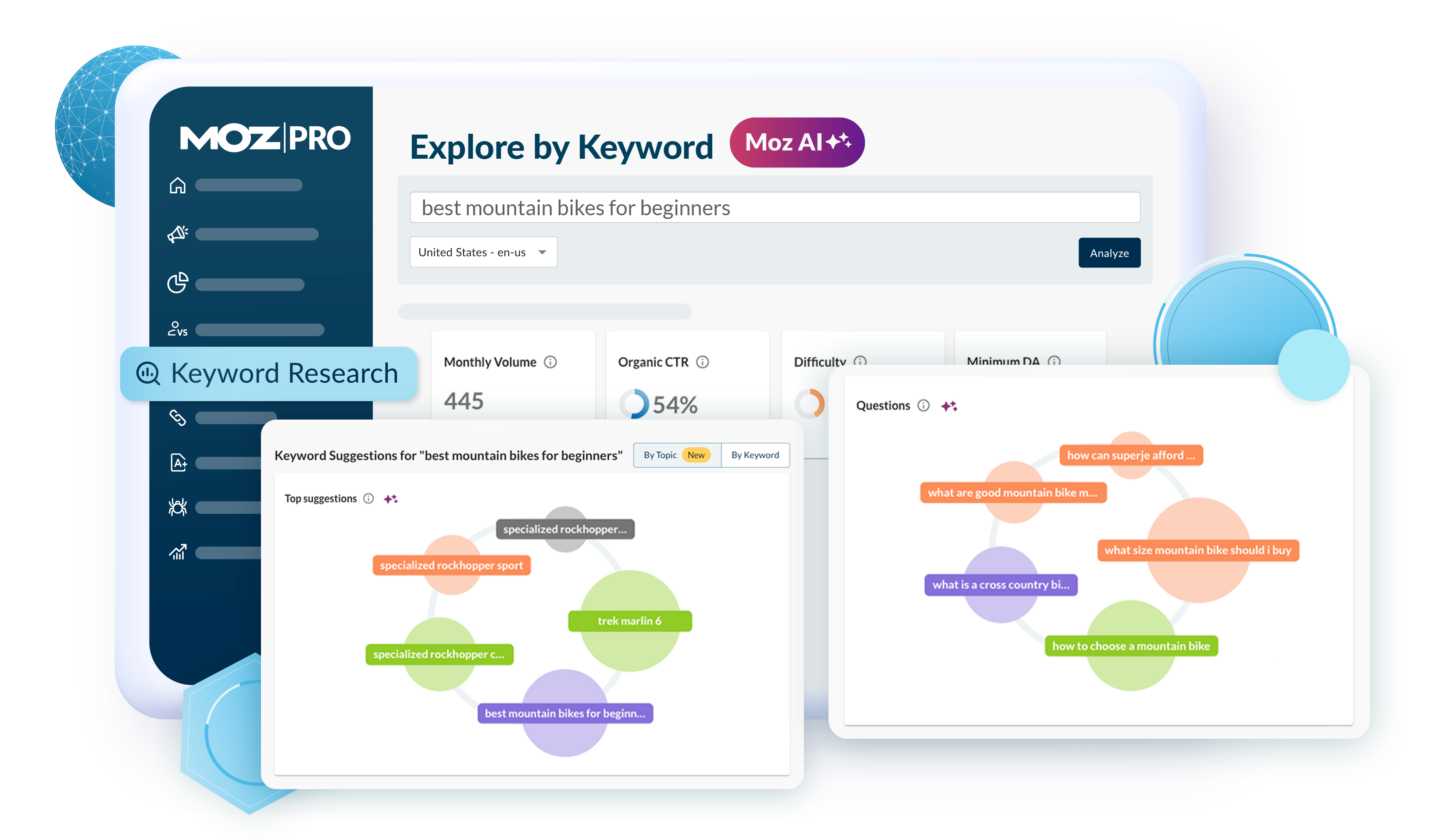
Moz Pro offers valuable tools for identifying keyword competition and search opportunities. Its Keyword Explorer and competitive analysis features allow marketers to compare multiple domains.
When analyzing competitors, the platform reveals how different websites rank for specific keywords and which search terms offer the greatest potential.
Moz also provides keyword difficulty scores that estimate how challenging it would be to rank for a specific search term.
For instance, if a keyword shows extremely high competition, small businesses may focus on long-tail keyword variations with lower difficulty.
Because of its user-friendly insights and keyword research features, Moz Pro continues to appear among the best competitor analysis tools SEO teams rely on for strategic planning.
Competitor Research Tools Focused on Paid and Organic Traffic
Some platforms specialize in revealing competitor traffic sources and advertising strategies.
SpyFu: Discover Competitor Keywords and Ads
SpyFu focuses heavily on competitive intelligence. The platform shows both organic keywords and paid advertising keywords used by competitors.
Marketers can see how long competitors have targeted specific keywords and how their strategies evolve.
For example, if a competitor consistently invests in certain paid keywords, that indicates those keywords likely produce valuable conversions.
The platform also reveals competitor SEO strategies by highlighting pages that generate the most organic traffic.
Because of its focus on keyword intelligence and advertising analysis, SpyFu stands among the best competitor analysis tools SEO marketers use for competitive strategy development.
SEO Content Analysis Tools That Compare Competing Pages
Competitor analysis also involves examining the content quality of ranking pages.
Surfer SEO: Content Optimization Based on Competitor Data

Surfer SEO analyzes search results to understand why certain pages rank higher than others. The platform examines top-ranking pages and extracts key factors such as content length, keyword density, heading structures, and semantic keywords.
By comparing your content with competitor pages, the tool provides actionable suggestions for improvement.
For example, if top-ranking articles average 2,000 words and include specific semantic keywords, Surfer SEO will recommend similar adjustments for your content.
This data-driven approach allows marketers to create articles that match search intent and outperform competitor pages.
Because of its advanced SERP analysis capabilities, Surfer SEO remains one of the best competitor analysis tools SEO professionals use for content optimization.
Competitor Monitoring Tools That Track Ranking Changes
SEO competitor analysis does not end after initial research. Continuous monitoring ensures that businesses stay aware of market changes.
SE Ranking: Ongoing Competitor Monitoring
SE Ranking provides a powerful competitor monitoring system that tracks ranking changes over time. Businesses can add competitor domains and observe how their rankings evolve across different keywords.
The platform shows when competitors gain or lose positions in search results. These changes often signal strategic updates such as new content, improved backlinks, or technical optimizations.
By monitoring competitor activity, businesses can react quickly and adjust their strategies accordingly.
Because of its real-time monitoring capabilities, SE Ranking deserves recognition among the best competitor analysis tools SEO marketers use to stay competitive.
Conclusion
Understanding competitors plays a vital role in search engine optimization. Businesses that analyze competitor strategies gain valuable insights into keyword opportunities, backlink sources, and content strategies.
The best competitor analysis tools SEO professionals rely on include platforms such as SEMrush, Ahrefs, Moz Pro, SpyFu, Surfer SEO, and SE Ranking. Each tool offers unique capabilities that help marketers evaluate competitors and identify opportunities for growth.
When businesses use these tools strategically, they can discover hidden opportunities, refine their SEO campaigns, and outperform competitors in search rankings. Exploring the best competitor analysis tools SEO experts recommend ultimately helps organizations develop smarter strategies and achieve stronger online visibility.
