


bigtargetmedia.com – An advertising budget is one of the most influential elements in any marketing strategy, shaping how messages are distributed, which audiences are reached, and how consistently a brand maintains visibility. In a media environment defined by fragmentation and rapid change, decisions around advertising budgets have become more complex than ever. Digital platforms, traditional media, and hybrid channels now compete for limited resources, requiring thoughtful planning rather than routine allocation.
Unlike creative strategy or messaging, an advertising budget operates largely behind the scenes. Yet it determines the scale, frequency, and sustainability of marketing efforts. A well-structured advertising budget reflects not only financial capacity but also strategic priorities, risk tolerance, and long-term objectives. Poorly planned budgets, on the other hand, can limit effectiveness even when creative execution is strong.
Understanding the role of an advertising budget requires examining how it functions within broader business and marketing ecosystems. This article explores the concept in depth, focusing on structure, implications, challenges, and real-world applications without promotional framing.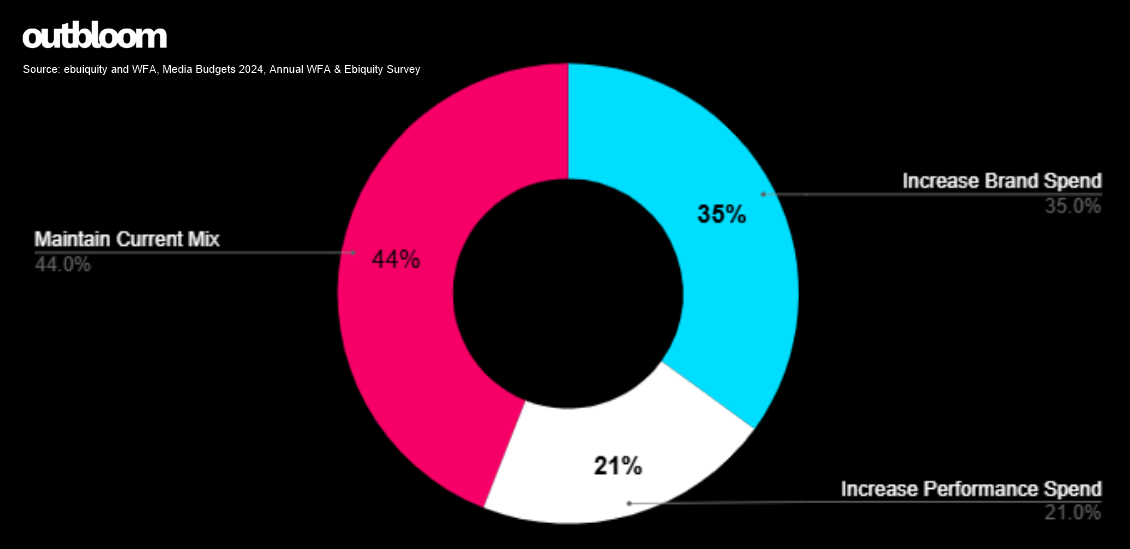
Image caption:
This visual represents how an advertising budget is distributed across multiple media channels and campaign priorities.
Understanding the Concept of an Advertising Budget
An advertising budget refers to the portion of financial resources allocated specifically to paid promotional activities. These activities may include digital ads, print media, broadcast placements, sponsorships, or emerging formats such as programmatic and native advertising. The budget defines the financial boundaries within which marketing teams operate.
Rather than being a fixed or purely numerical figure, an advertising budget is a strategic tool. It translates business goals into actionable spending limits, aligning marketing activity with revenue expectations, growth stages, and market conditions. In many organizations, advertising budgets are reviewed periodically to account for performance data and external changes.
The scope of an advertising budget varies widely by industry and organization size. Some businesses allocate a small percentage of overall revenue, while others invest heavily in advertising to support competitive positioning or market entry. These variations reflect differing strategic needs rather than universal benchmarks.
How Advertising Budgets Are Typically Structured
Advertising budgets are often structured by channel, campaign type, or timeframe. Channel-based allocation divides spending across platforms such as search, social media, display, or offline media. This structure supports performance comparison and optimization.
Campaign-based budgeting focuses on specific objectives, such as product launches or seasonal promotions. Funds are concentrated during defined periods, reflecting short-term priorities rather than ongoing visibility. This approach is common in industries with cyclical demand patterns.
Time-based budgeting allocates resources across months or quarters. This structure accounts for seasonality, market conditions, and internal planning cycles. By spreading expenditure over time, organizations aim to maintaina consistent presence while retaining flexibility.
Strategic Factors Influencing Advertising Budgets
Several strategic factors influence how advertising budgets are determined. Business maturity is one such factor. Early-stage organizations may allocate larger proportions of revenue to build awareness, while established brands may focus on efficiency and retention.
Market competitiveness also plays a role. In crowded markets, higher advertising budgets may be required to maintain share of voice. Conversely, niche markets with lower competition may allow for more modest spending.
Audience behavior further shapes budget decisions. Media consumption patterns influence which channels receive funding. As audiences shift toward digital platforms, advertising budgets often follow, reflecting changes in attention rather than preference alone.
Benefits and Broader Implications
A well-planned advertising budget provides clarity and discipline. Clear allocation limits reduce reactive decision-making, allowing marketing teams to focus on strategy rather than constant recalibration. This structure supports more consistent messaging and campaign execution.
Another benefit lies in accountability. Defined budgets make performance evaluation more straightforward. By comparing outcomes against allocated spend, organizations can identify which activities deliver value and which require adjustment.
On a broader level, advertising budgets influence market dynamics. Large budgets can shape media pricing, platform development, and content monetization models. In this way, individual budgeting decisions collectively affect the advertising ecosystem.
Advertising Budgets and Business Alignment
Advertising budgets also function as alignment mechanisms between marketing and business objectives. Budget size and distribution reflect priorities such as growth, stability, or experimentation. When aligned effectively, advertising investment supports overall organizational direction.
Cross-departmental collaboration often emerges around budget planning. Finance, marketing, and leadership teams contribute perspectives that balance ambition with financial responsibility. This collaboration strengthens strategic coherence.
Over time, advertising budgets can signal brand intent to the market. Sustained investment communicates commitment, while abrupt reductions may alter perception. These signals operate indirectly but influence competitive positioning.
Risks, Challenges, and Considerations
Despite their importance, advertising budgets present several challenges. One common risk involves misallocation. Investing heavily in underperforming channels can drain resources without meaningful returns. This risk increases when decisions rely on assumptions rather than data.
Another challenge relates to volatility. Advertising costs fluctuate due to competition, platform changes, and economic conditions. Budgets set too rigidly may struggle to adapt, while overly flexible budgets may lack strategic focus.
Measurement complexity adds further difficulty. Attribution across channels is often imperfect, making it hard to assess how advertising spend contributes to outcomes. This uncertainty complicates budget optimization.
Managing Constraints and Uncertainty
Budget constraints are inherent to advertising planning. Limited resources require prioritization, forcing difficult choices between reach, frequency, and channel diversity. These trade-offs define the character of advertising strategies.
Uncertainty also stems from external factors. Regulatory changes, platform policy updates, or shifts in consumer sentiment can affect advertising effectiveness. Budgets must account for these risks without becoming overly conservative.
Scenario planning is one way organizations manage uncertainty. By modeling different budget outcomes, teams prepare for variability while maintaining strategic intent.
Real Product or Service Examples
Google Ads Campaign Budgeting

Image caption:
Search advertising platforms illustrate how an advertising budget is allocated through daily and campaign limits.
Google Ads allows advertisers to set daily and campaign-level budgets. These controls define how much is spent over time rather than guaranteeing specific results.
This model highlights how advertising budgets function as spending boundaries within automated systems.
Meta Ads Manager Budget Allocation
Image caption:
Social media advertising platforms reflect flexible advertising budget distribution across audiences.
**Meta Ads Manager enables budget allocation at campaign or ad set levels. Spending adjusts dynamically based on performance signals.
This flexibility demonstrates how advertising budgets interact with algorithmic delivery systems.
Television Advertising Budget Planning

Image caption:
Traditional media planning illustrates advertising budget allocation across broadcast schedules.
Television advertising budgets are often planned around time slots and audience reach. Costs vary based on program popularity and airing frequency.
This example shows how advertising budgets operate differently in offline media environments.
Programmatic Display Advertising

Image caption:
Programmatic platforms use automated bidding within defined advertising budget limits.
Programmatic display advertising allocates budgets through real-time bidding systems. Spending caps and bid strategies control exposure.
This approach reflects the increasing automation of advertising budget execution.
Use Cases and Real-World Scenarios
In product launches, advertising budgets are often concentrated over short periods to maximize awareness. This intensive spending aims to establish a presence quickly within competitive markets.
For brand maintenance, budgets are distributed evenly to sustain visibility. This approach prioritizes consistency over bursts of exposure, supporting long-term recognition.
Local businesses frequently use constrained advertising budgets to target specific geographic areas. Focused spending increases relevance while limiting waste.
Nonprofit organizations allocate advertising budgets to awareness campaigns aligned with events or causes. Budget decisions reflect mission priorities rather than commercial returns.
Frequently Asked Questions
What is an advertising budget?
An advertising budget is the amount of money allocated for paid promotional activities over a defined period.
How is an advertising budget determined?
It is influenced by business goals, revenue, market conditions, and strategic priorities.
Can advertising budgets change over time?
Yes. Budgets are often adjusted based on performance data, seasonality, and external factors.
Are larger advertising budgets always more effective?
Not necessarily. Effectiveness depends on allocation, relevance, and execution rather than size alone.
How often should advertising budgets be reviewed?
Regular reviews, often quarterly or annually, help ensure alignment with objectives and market conditions.
Neutral Conclusion
An advertising budget functions as both a financial plan and a strategic instrument within modern marketing. Defining how resources are allocated, it shapes visibility, consistency, and competitive positioning across media environments.
While challenges related to allocation, measurement, and uncertainty persist, thoughtful budgeting supports informed decision-making and sustainable marketing practices. As media landscapes continue to evolve, the role of the advertising budget remains central to understanding how organizations communicate, compete, and grow within dynamic markets.
