

Bigtargetmedia.com – Search engine optimization relies on many different strategies, but on-page SEO remains one of the most fundamental elements of ranking success. Every webpage must communicate clearly with both search engines and users. Titles, headings, keyword placement, internal links, and content structure all influence how search engines interpret a page. For this reason, marketers and website owners often search for the best on-page SEO tools to ensure that every page on their website meets modern optimization standards.
On-page SEO works like organizing a well-structured book. Each chapter needs a clear title, logical sections, and relevant information that helps readers understand the topic. Search engines similarly evaluate webpages. When content follows a structured format and contains relevant keywords, search algorithms can better understand the page’s purpose.
The best on-page SEO tools help website owners analyze these factors automatically. They evaluate content quality, keyword distribution, metadata, and internal linking while also offering recommendations for improvement. By using these tools consistently, marketers can refine individual pages and strengthen overall search visibility.
AI-Powered On-Page Optimization Tools
Artificial intelligence now plays a significant role in analyzing content structure and keyword usage. AI-driven tools evaluate top-ranking pages and generate recommendations based on real search engine data.
Surfer SEO: Data-Driven Content Optimization Platform
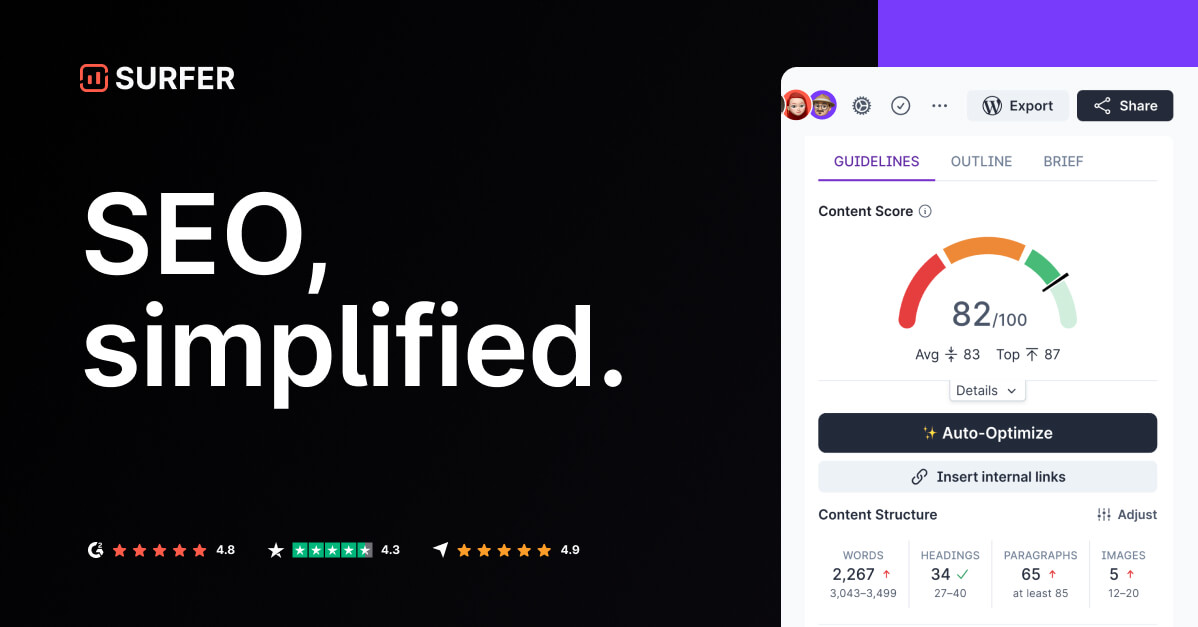
Surfer SEO has become one of the most widely used platforms for on-page optimization. The tool analyzes top-ranking pages for a specific keyword and identifies patterns that contribute to their ranking success.
When a writer begins drafting an article, Surfer SEO provides a content editor that evaluates keyword usage, heading structures, and paragraph distribution. The tool assigns an optimization score that reflects how closely the article aligns with successful pages in search results.
For example, if the average top-ranking page includes several subheadings and a specific word count range, Surfer SEO recommends adjusting the content accordingly.
This real-time guidance helps writers produce content that matches the structure search engines already favor.
Because of its advanced analytics and optimization recommendations, Surfer SEO remains one of the best on-page SEO tools for content creators and SEO professionals.
WordPress Plugins That Simplify On-Page Optimization
Many website owners prefer tools that integrate directly into their content management system. WordPress plugins provide convenient on-page SEO analysis within the writing interface.
Yoast SEO: Classic WordPress On-Page Optimization Tool
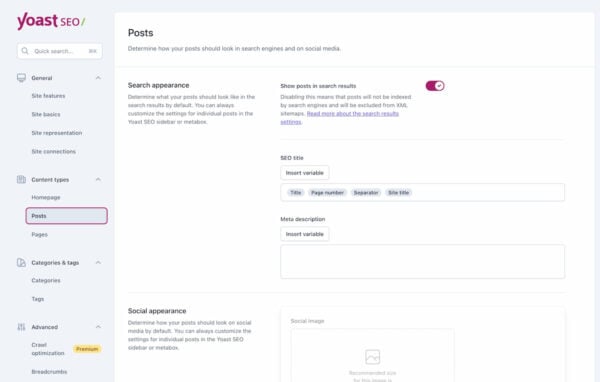
Yoast SEO remains one of the most popular SEO plugins for WordPress websites. The plugin evaluates on-page SEO factors while writers create content.
The tool analyzes title tags, meta descriptions, keyword placement, heading structures, and internal linking. It also provides readability feedback that encourages clear and structured writing.
For example, if a focus keyword appears too frequently or too rarely, Yoast highlights the issue and suggests adjustments.
The plugin also generates XML sitemaps and allows users to customize metadata for search engines.
Because of its accessibility and practical optimization guidance, Yoast consistently ranks among the best on-page SEO tools for bloggers and small businesses.
Content Analysis Tools That Improve Keyword Relevance
Keyword relevance plays a major role in on-page SEO. Search engines evaluate how effectively a page covers its target topic.
Clearscope: Semantic Keyword Optimization
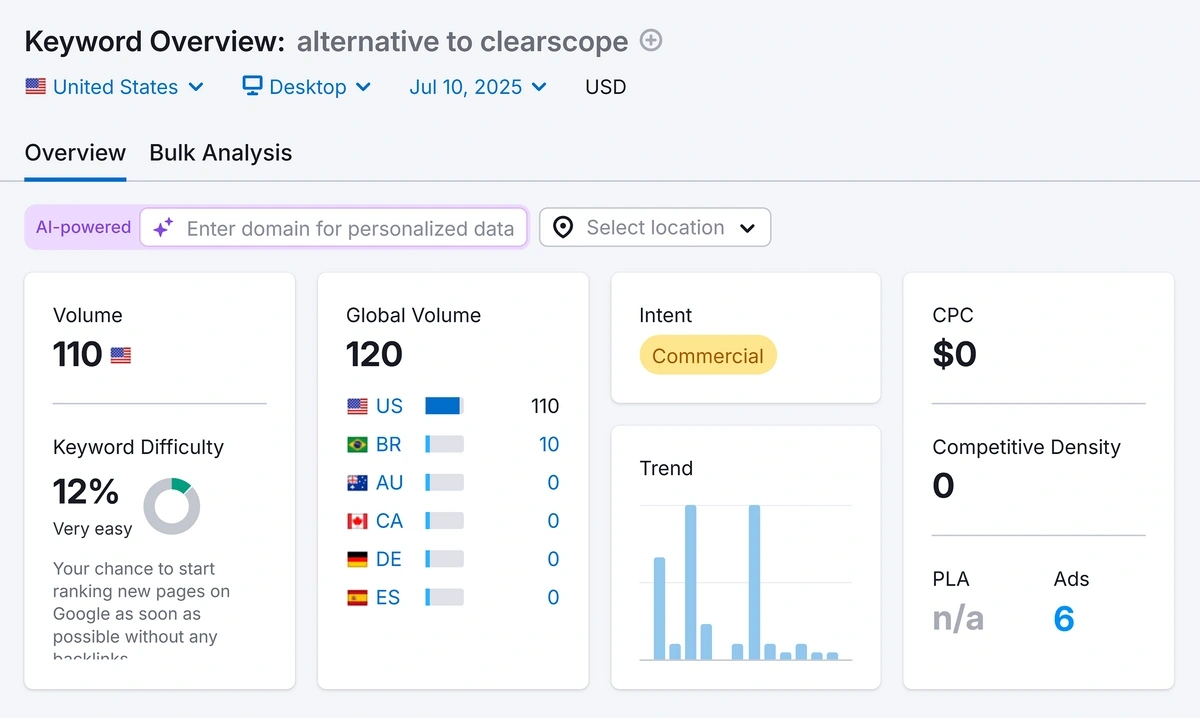
Clearscope focuses on improving keyword relevance and topic coverage. The platform analyzes high-ranking pages and identifies common terms that frequently appear in successful content.
Writers receive a list of recommended keywords that should appear naturally within their articles. As they write, the system evaluates how well the content covers the topic.
For instance, if a page targets “digital marketing strategy,” Clearscope may recommend including related phrases such as “content marketing,” “SEO campaigns,” and “conversion optimization.”
These semantic connections help search engines understand the broader context of the content.
Because of its emphasis on keyword relevance and topic depth, Clearscope stands among the best on-page SEO tools for professional content marketers.
Tools That Analyze Page Structure and Technical On-Page SEO
On-page optimization includes more than keywords and content structure. Technical elements such as page speed and HTML structure also influence rankings.
Screaming Frog SEO Spider: Technical Page Analysis

Screaming Frog SEO Spider provides a powerful crawling system that analyzes the technical structure of webpages. The tool scans entire websites and identifies on-page issues that may affect search performance.
For example, the crawler can detect missing title tags, duplicate meta descriptions, broken links, and incorrect canonical tags. These issues often prevent search engines from understanding page relationships correctly.
The platform also helps identify pages with thin content or missing metadata.
By fixing these technical issues, website owners improve the clarity and accessibility of their webpages for search engines.
Because of its deep technical analysis capabilities, Screaming Frog remains one of the best on-page SEO tools for website audits.
On-Page SEO Tools for Competitive Content Analysis
Understanding competitor pages helps marketers refine their own content strategies.
SEMrush On Page SEO Checker
SEMrush offers an On-Page SEO Checker that evaluates individual pages based on competitor analysis. The tool compares your page with top-ranking pages targeting the same keyword.
After analyzing search results, the platform generates recommendations for improving page performance. These recommendations may include adding relevant keywords, improving internal linking, or expanding certain content sections.
For example, if competing pages include specific subtopics that your article does not cover, the tool highlights those gaps.
This competitor-based analysis helps writers create more comprehensive and competitive content.
Because of its strategic optimization recommendations, SEMrush stands among the best on-page SEO tools for improving existing pages.
On-Page SEO Tools That Improve Content Quality
High-quality writing improves user engagement and encourages longer page visits, which indirectly supports SEO performance.
Grammarly: Writing Clarity and Readability Improvement
Grammarly focuses on improving grammar, readability, and writing clarity. While it does not function exclusively as an SEO tool, it plays an important role in on-page optimization.
Clear writing improves user engagement and makes content easier to understand. When readers spend more time on a page, search engines interpret this behavior as a positive quality signal.
Grammarly analyzes sentence structure, grammar accuracy, and vocabulary choices. It also suggests improvements that enhance clarity and tone.
For instance, if a sentence appears overly complex, Grammarly recommends simplifying it for better readability.
Because user experience influences search performance, Grammarly deserves recognition among the best on-page SEO tools for improving content quality.
Conclusion
On-page SEO remains one of the most important components of successful search engine optimization. Every webpage must present clear, structured information that aligns with search intent and keyword relevance.
The best on-page SEO tools help marketers analyze content quality, optimize keywords, and improve technical page structure. Platforms such as Surfer SEO, Yoast SEO, Clearscope, Screaming Frog, SEMrush, and Grammarly provide powerful insights that guide effective optimization strategies.
When website owners combine these tools with thoughtful content creation, they can build pages that serve both readers and search engines effectively. Exploring the best on-page SEO tools ultimately helps websites improve search rankings, attract organic traffic, and deliver valuable information to their audiences.
