

Bigtargetmedia.com – Search engines no longer function only as link directories. Modern search platforms increasingly integrate artificial intelligence that generates direct answers to user questions. Because of this shift, marketers and website owners must understand the fundamentals of a GEO (Generative Engine Optimization) strategy for beginners.
Traditional SEO focused on ranking pages in a list of results. GEO focuses on making your content usable by generative systems that synthesize information into AI-powered responses. When your content becomes a trusted source for those responses, your website gains visibility inside AI answers, summaries, and conversational search interfaces.
Think of generative search as a digital researcher. Instead of showing ten blue links, the system reads multiple pages, extracts useful insights, and produces a synthesized explanation. The websites that structure information clearly become the knowledge base behind those generated answers.
This article explains a complete GEO (Generative Engine Optimization) strategy for beginners, showing how to structure content, strengthen authority, and adapt websites for the new era of AI-driven search.
Understanding the Foundation of Generative Engine Optimization
The Shift from Search Engines to Generative Engines
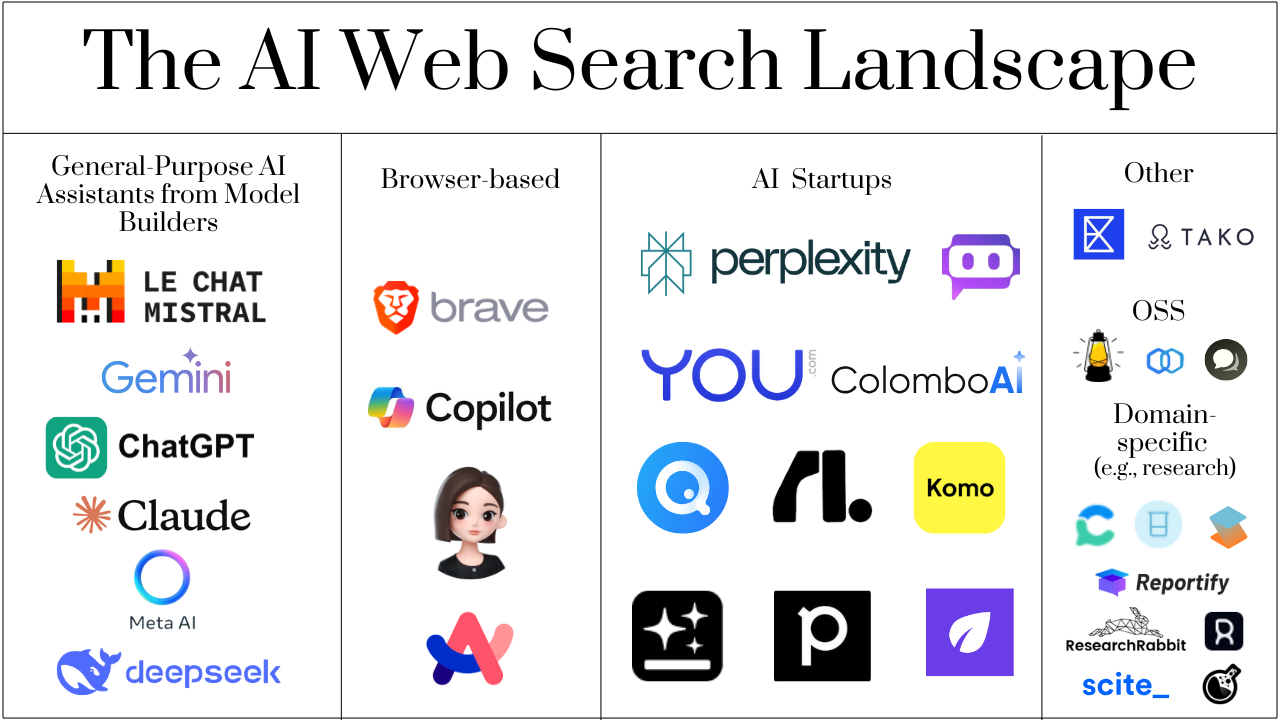
Before building a GEO (Generative Engine Optimization) strategy for beginners, it helps to understand how generative engines operate.
Traditional search engines index web pages and rank them according to relevance signals. Users review the results and open several pages to gather information.
Generative engines operate differently. They read multiple sources, analyze context, and compose a direct answer. These answers may appear in tools such as AI search summaries, conversational assistants, or integrated knowledge panels.
The generative system acts like a research analyst. It evaluates information quality, credibility, and clarity before constructing an answer.
For that reason, content optimized for generative engines must prioritize clarity, authority, and structured explanations. When a page communicates knowledge effectively, generative systems can extract useful insights.
This principle forms the first layer of a GEO (Generative Engine Optimization) strategy for beginners.
Why Generative AI Prefers Structured Knowledge
Generative AI models analyze relationships between ideas. They prefer content that communicates information logically and transparently.
Well-structured pages usually include a clear hierarchy of topics. The introduction explains the concept. The following sections deepen the explanation. Supporting examples clarify the context.
This structure allows AI systems to identify key insights quickly.
Imagine teaching a student a complex subject. If you present information randomly, the student struggles to understand it. If you explain concepts step by step, the student learns quickly.
Generative engines work similarly. They perform best when websites present knowledge in a logical sequence.
Creating Content That Generative Engines Can Use
Writing Content That Answers Questions Clearly

A strong GEO (Generative Engine Optimization) strategy for beginners begins with clear answers.
Generative systems prioritize content that responds directly to user questions. If a page provides a precise explanation, the AI system can easily reference that information.
For example, a user might search:
“What is generative engine optimization?”
A GEO-optimized article starts with a concise explanation before expanding into deeper insights. The first paragraph communicates the core definition. The following sections explore techniques, examples, and applications.
This structure helps both readers and AI systems understand the content immediately.
Developing Topic Depth and Semantic Context
Generative engines evaluate topic depth rather than isolated keywords.
A website that publishes one article about GEO might gain limited visibility. A website that builds a full topic ecosystem gains much stronger authority.
For instance, a GEO knowledge hub might include articles covering:
Generative search technology
AI content extraction systems
Content structure for AI summaries
Authority signals in generative search
AI-driven SEO measurement methods
Each article strengthens the website’s semantic authority. Together, they form a knowledge network that generative engines recognize.
This network approach strengthens any GEO (Generative Engine Optimization) strategy for beginners.
Optimizing Technical SEO for Generative Search
Using Structured Data to Clarify Meaning
Technical clarity helps generative engines interpret content correctly.
Structured data provides explicit context about page elements. Schema markup labels important components such as articles, questions, products, and authors.
When generative engines process structured pages, they understand the relationships between ideas more easily.
For example, the FAQ schema highlights questions and answers within the page. A generative system can quickly extract these answers when composing AI responses.
Structured data, therefore,e strengthens a GEO (Generative Engine Optimization) strategy for beginners by helping AI systems recognize reliable information.
Ensuring Crawlability and Content Accessibility
Generative engines rely on web crawlers to discover information. If a crawler struggles to access content, the system cannot evaluate it.
A technically optimized website supports efficient crawling.
Clean HTML structure improves readability for machinesFast-loadingng pages allow systems to process content quickly. Mobile responsiveness ensures that the page performs well across devices.
Internal linking also plays an important role. Links connect related pages and signal relationships between topics. This connection helps generative engines understand the structure of your knowledge ecosystem.
Technical accessibility, therefore,e becomes a critical pillar of a GEO (Generative Engine Optimization) strategy for beginners.
Building Authority That Generative Engines Trust
Demonstrating Real Expertise
Generative engines prefer reliable sources. They analyze signals that indicate credibility and expertise.
One of the most important frameworks is E-E-A-T: experience, expertise, authoritativeness, and trustworthiness.
Websites strengthen these signals by showcasing real expertise.
Author biographies help readers and algorithms understand who created the content. Research citations demonstrate credibility. Detailed explanations supported by examples build trust.
When generative systems evaluate potential sources for AI summaries, they favor content that clearly demonstrates knowledge.
This authority-building process represents a vital part of a GEO (Generative Engine Optimization) strategy for beginners.
Strengthening Reputation Through External Signals
Search engines also examine how other websites reference your content.
Backlinks from trusted domains act as endorsements. When reputable sites link to your article, generative engines interpret that signal as evidence of authority.
High-quality links often come from industry publications, research organizations, and expert communities.
Over time, these references create a digital reputation that reinforces credibility.
Authority signalsthereforeor,e play a major role in the success of any GEO (Generative Engine Optimization) strategy for beginners.
Structuring Content for AI Extraction
Clear Heading Hierarchy and Logical Flow

Generative engines extract information by analyzing page structure.
A strong article uses a clear hierarchy that guides both readers and AI systems.
The H1 introduces the main topic. H2 sections explore major ideas. H3 headings provide detailed explanations.
This structure acts like a map of the page. AI systems use it to identify the most important concepts.
A clear hierarchy makes it easier for generative engines to identify key insights and integrate them into summaries.
For that reason, logical structure strengthens a GEO (Generative Engine Optimization) strategy for beginners.
Creating Extractable Knowledge Blocks
Generative systems prefer concise explanations that capture essential insights.
A well-optimized article often includes sections that deliver a clear answer first, followed bysupporting detailsl.
For example, a section explaining generative SEO might begin with a concise definition. The paragraph that follows can explore examples and deeper analysis.
This format allows AI systems to extract useful knowledge blocks while still offering readers detailed information.
The technique improves the probability that generative engines reference your content when building responses.
Preparing Websites for the Future of AI Search
Why Generative Optimization Matters Now

Search technology continues evolving rapidly. AI systems increasingly guide users toward answers instead of lists of links.
This shift changes how visibility works on the internet.
Websites that adapt early gain strategic advantages. Their content becomes the knowledge layer behind generative responses.
Businesses that ignore this transformation risk losing organic visibility as AI interfaces become more common.
Learning a GEO (Generative Engine Optimization) strategy for beginners helps website owners prepare for this transition.
Combining Human Readability with Machine Clarity
The most effective GEO strategy balances two goals.
Content must remain engaging and understandable for human readers. At the same time, it must communicate knowledge clearly enough for AI systems to interpret.
Clear explanations, logical structure, and strong authority signals create this balance.
When a website achieves both human clarity and machine readability, generative engines can confidently reference its information.
That alignment represents the long-term foundation of a successful GEO (Generative Engine Optimization) strategy for beginners.
Conclusion
The rise of AI-powered search requires a new approach to digital visibility. A GEO (Generative Engine Optimization) strategy for beginners focuses on clarity, authority, and structured knowledge rather than simple keyword rankings.
Websites that answer questions clearly, build topical expertise, implement strong technical SEO, and demonstrate credibility gain the greatest chance of becoming sources for AI-generated responses.
As generative search systems continue expanding across the web, mastering a GEO (Generative Engine Optimization) strategy for beginners will help website owners secure long-term visibility in the evolving landscape of AI-driven discovery.
