

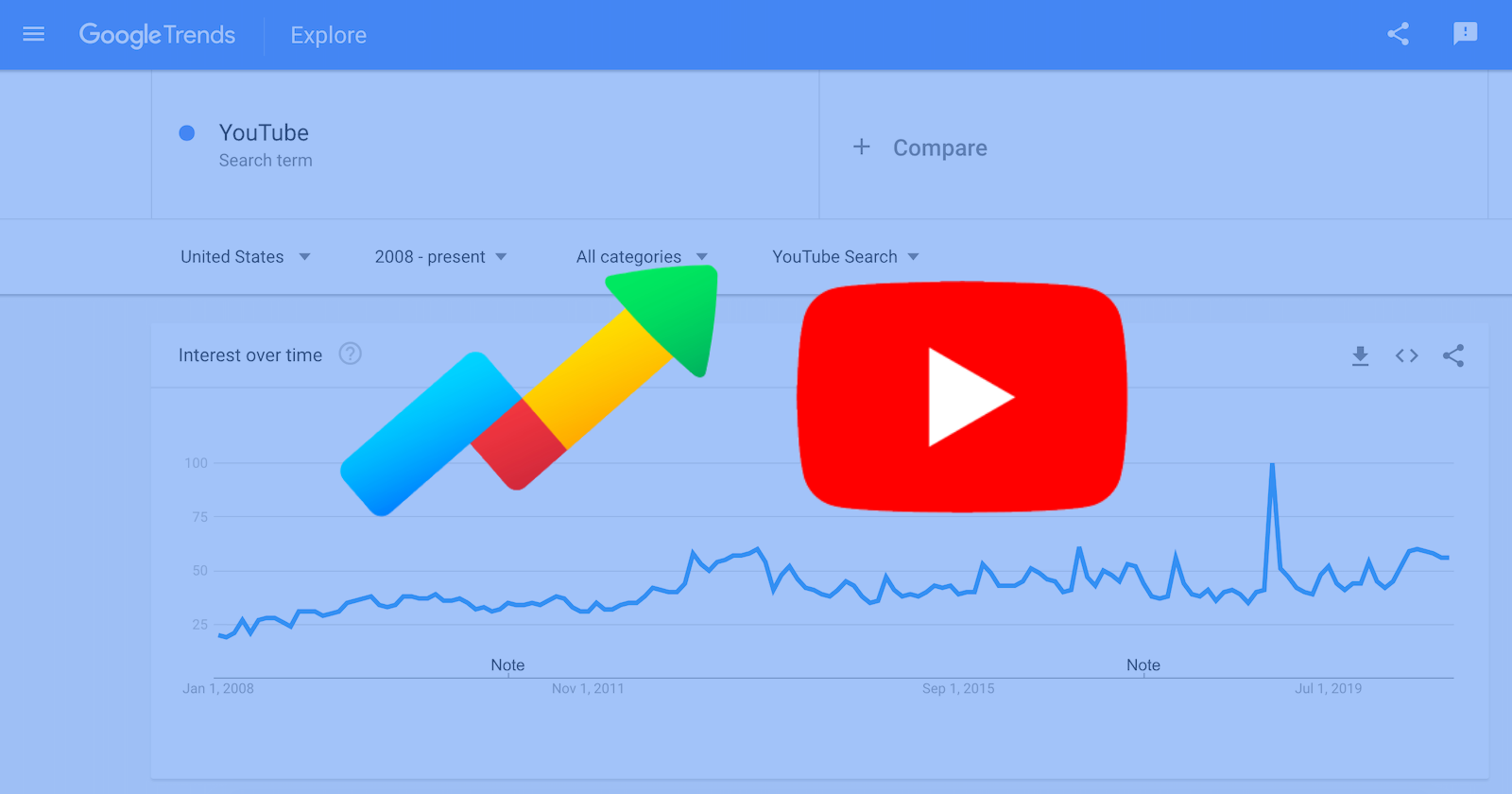
The continuous flow of information on the internet has reshaped how public attention forms and shifts. One of the clearest reflections of this behavior appears in Google trending searches, a term used to describe search topics that experience sudden or sustained increases in popularity within Google’s search ecosystem. These trends provide a real-time snapshot of collective curiosity, concern, and interest across regions and timeframes.
Rather than representing isolated interests, Google trending searches often emerge from broader social, cultural, and technological contexts. Global events, entertainment releases, public health issues, and emerging technologies can all influence search behavior simultaneously. The result is a constantly evolving data stream that reflects how societies respond to information in near real time.
Understanding how Google trending searches work requires more than observing popular keywords. It involves recognizing patterns, interpreting context, and acknowledging how search behavior connects with media exposure, algorithms, and human psychology. This article explores the concept in depth, focusing on structure, implications, limitations, and real-world relevance.

What Google Trending Searches Represent
Google trending searches refer to queries that experience a significant increase in search volume compared to their usual baseline. These spikes may occur over minutes, hours, or days, depending on the nature of the topic. Unlike evergreen search terms, trending searches are time-sensitive and often tied to current events or sudden attention shifts.
The concept is closely associated with Google, which aggregates anonymized search data to identify patterns across regions and categories. These trends do not necessarily reflect the most searched topics overall, but rather the fastest-growing ones within a specific timeframe.
Trending searches can be short-lived or extended. Some fade within hours, while others evolve into sustained topics that remain relevant for weeks or months. The duration often depends on how deeply a topic integrates into public discourse or ongoing developments.
How Search Trends Are Identified
Google trending searches are identified through comparative analysis rather than raw volume alone. A query with moderate total searches can trend if it experiences rapid growth compared to its historical data. This approach allows emerging topics to surface even if they are not yet mainstream.
Geographical segmentation also plays an important role. A topic trending in one country may remain relatively unnoticed elsewhere. Regional trends reflect local news, cultural events, and language-specific interests, highlighting how search behavior adapts to local contexts.
Another key factor is temporal relevance. Search trends often correlate with breaking news cycles, viral social media content, or scheduled events such as elections or product launches. The algorithm prioritizes freshness, ensuring that trends reflect current attention rather than accumulated popularity.
The Broader Meaning of Search Behavior
Search behavior offers insight into how individuals seek information during moments of uncertainty, curiosity, or urgency. Google trending searches act as collective signals, revealing what large groups of people are trying to understand or verify at the same time.
These trends often align with emotional triggers. Sudden increases in searches related to natural disasters, public figures, or policy changes suggest how information-seeking intensifies during periods of disruption. In contrast, entertainment-related trends often coincide with anticipation or shared cultural moments.
From a sociological perspective, trending searches illustrate how digital platforms shape collective awareness. Search engines not only respond to interest but also influence it by highlighting trending topics, creating feedback loops between visibility and curiosity.
Benefits and Broader Implications
One of the most significant benefits of Google trending searches is their ability to provide real-time insight into public attention. Researchers, journalists, and analysts use this data to understand how narratives evolve and how quickly information spreads across populations.
For content ecosystems, trending searches influence editorial priorities. Newsrooms often monitor trends to identify emerging stories, while educators observe them to understand what topics require clearer explanations or context. This responsiveness helps align information supply with public demand.
On a broader scale, trending searches contribute to transparency in information flow. By making aggregated search behavior visible, Google offers a window into collective curiosity without exposing individual identities. This balance between insight and privacy supports large-scale analysis while maintaining anonymity.
Cultural and Informational Impact
Trending searches frequently reflect cultural moments that transcend borders. Global sports events, film releases, and technological announcements often generate synchronized spikes in search interest across multiple regions.
At the same time, localized trends highlight cultural specificity. National holidays, regional news, or local celebrities may dominate search trends in one area while remaining invisible elsewhere. This contrast emphasizes how digital attention remains both global and local.
The informational impact of trending searches extends to how knowledge is distributed. Topics that trend receive increased visibility, encouraging more content production and discussion. Over time, this can shape which narratives gain prominence and which fade into obscurity.
Risks, Challenges, and Considerations
Despite their usefulness, Google trending searches come with limitations. One challenge lies in interpretation. A trending topic does not always indicate widespread understanding or consensus. In some cases, spikes reflect confusion, misinformation, or conflicting narratives.
Short-term volatility is another consideration. Many trends rise and fall rapidly, making them unreliable indicators of long-term interest. Overemphasizing short-lived trends may distort perceptions of sustained public priorities.
There are also ethical considerations related to amplification. When trending topics receive increased exposure, they may inadvertently spread unverified information or sensational content. This dynamic highlights the responsibility of platforms and content creators to contextualize trends responsibly.
Data Bias and Algorithmic Influence
Search trends are influenced by platform design and user demographics. Not all populations use search engines equally, and access to technology varies by region and socioeconomic factors. As a result, trending searches may overrepresent certain groups while underrepresenting others.
Algorithmic decisions also affect which trends become visible. Criteria such as relevance, freshness, and user safety shape trend selection. While these safeguards aim to improve quality, they also introduce subjective thresholds into trend identification.
Understanding these biases is essential when interpreting trending data. Search trends should be viewed as indicators rather than definitive measurements of public opinion.
Real Product and Service Examples
Google Trends
Google Trends visualizes Google trending searches by region, timeframe, and category.
Google Trends is the primary platform for exploring trending search data. It allows users to compare topics, analyze historical patterns, and observe regional differences in search interest.
The tool emphasizes relative popularity rather than absolute numbers, making it suitable for identifying momentum rather than scale.
Google Search Autocomplete
Autocomplete suggestions reflect emerging Google trending searches in real time.
Autocomplete features dynamically suggest queries based on popular and recent searches. While not a trend list itself, it offers indirect insight into what topics are gaining attention.
This feature demonstrates how trending searches influence everyday search experiences without explicit labeling.
Google News Integration
News aggregation often aligns with Google trending searches during breaking events.
Google News frequently reflects trending searches by highlighting stories related to rising queries. This integration reinforces the connection between search behavior and news visibility.
The relationship illustrates how search trends and media coverage interact within digital information ecosystems.
YouTube Trending Insights
Video platforms often mirror Google trending searches across entertainment topics.
YouTube, as part of the Google ecosystem, exhibits parallel trends in video consumption. Topics trending in search often appear in video recommendations and trending sections.
This overlap highlights cross-platform influence within digital attention systems.
Use Cases and Real-World Scenarios
During major global events, Google trending searches serve as early indicators of public concern. Sudden increases in health-related searches, for example, have historically preceded broader awareness and media coverage.
In education, trending searches help identify knowledge gaps. When complex topics trend rapidly, it often signals a need for accessible explanations or clarifications, influencing educational content development.
Policy analysts and researchers also examine trending searches to gauge public reaction to legislative changes or announcements. While not definitive measures of opinion, trends offer supplementary context for understanding public engagement.
Frequently Asked Questions
What are Google’s trending searches?
They are search queries that experience rapid increases in popularity compared to their usual levels within a specific timeframe.
Are trending searches the most searched topics overall?
Not necessarily. Trends reflect growth rate rather than total search volume.
How often do search trends update?
Trending data updates frequently, often in near real time, depending on the platform and region.
Do trending searches represent public opinion?
They reflect interest and curiosity but should not be interpreted as direct indicators of opinion or sentiment.
Can trending searches be influenced artificially?
While safeguards exist, coordinated activity or viral misinformation can temporarily influence search trends.
Neutral Conclusion
Google trending searches offer a valuable lens into how collective attention forms and shifts in the digital age. By capturing real-time changes in search behavior, these trends reveal what topics prompt widespread curiosity, concern, or engagement at specific moments.
At the same time, trending searches require careful interpretation. Their volatility, contextual dependence, and algorithmic influences mean they function best as indicators rather than conclusions. Within the broader digital ecosystem, Google trending searches remain a significant reflection of how information, culture, and technology intersect in modern society.
