

Bigtargetmedia.com – Auditing a website used to be a slow, manual, and often inconsistent process. Today, the landscape has changed dramatically. If you understand how to audit a website using AI automatically, you can uncover technical issues, SEO gaps, and performance bottlenecks in minutes instead of hours.
This guide will walk you step-by-step through the exact process—explained like a seasoned expert teaching a real-world system—so you can implement it immediately and scale your website audits efficiently.
Understanding What “AI Website Audit” Actually Means
Before diving into tools and workflows, it is important to clarify the concept. Many people assume AI audits are just automated scans. That assumption is incomplete.
The Core Difference Between Traditional vs AI Audit
A traditional audit follows static rules. Tools crawl your site and report predefined issues like broken links or missing tags. The output is often raw data that still requires interpretation.
An AI-powered audit goes further. It analyzes patterns, prioritizes issues, and often suggests actionable fixes. Instead of just telling you what is wrong, it helps explain why it matters and what to do next.
Think of it like this:
A traditional audit is a checklist.
An AI audit is a strategist.
Why Automation Changes Everything
Automation removes two major bottlenecks:
First, time. Instead of spending hours exporting data, AI tools consolidate everything in one interface.
Second, decision-making. AI highlights high-impact issues, so you do not waste effort fixing low-priority problems.
When you truly master how to audit a website using AI automatically, you shift from reactive analysis to proactive optimization.
The Core Components of an AI Website Audit
To perform a complete audit, AI tools typically evaluate several layers of your website. Understanding these layers ensures you interpret results correctly.
Technical SEO Analysis
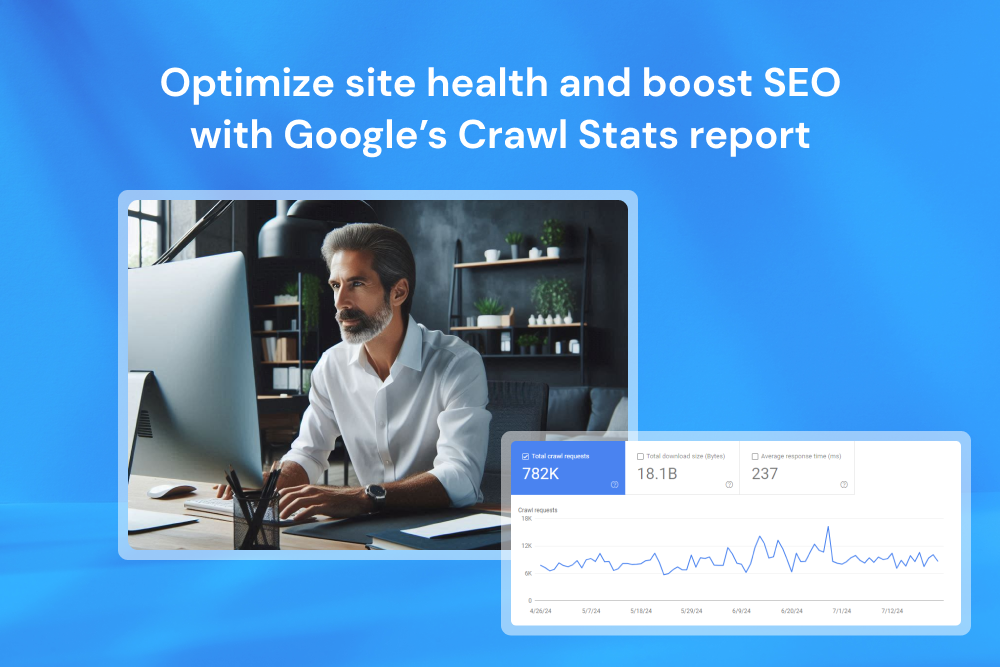
AI tools scan your site structure, indexing status, and crawlability. They detect issues like broken links, duplicate pages, slow loading times, and mobile usability problems.
A strong audit ensures search engines can access and understand your website efficiently.
On-Page SEO Evaluation
AI evaluates your content quality, keyword usage, headings, and meta tags. It identifies whether your pages align with search intent and highlights gaps in optimization.
This is where AI becomes powerful. It does not just count keywords—it analyzes context and relevance.
User Experience and Behavior Signal
AI also interprets user behavior. Metrics like bounce rate, session duration, and click patterns reveal whether your content satisfies visitors.
A website may rank well but still fail if users leave quickly. AI helps detect these hidden issues.
Step-by-Step: How to Audit a Website Using AI Automatically
Now we move into the practical process. This is the exact workflow professionals use to automate audits efficiently.
Step 1: Connect Your Website to AI Tools
Start by connecting your website to AI-powered tools. Most platforms require access via URL, Google Search Console, or analytics integration.
This step allows the AI to gather real data instead of relying on assumptions.
Step 2: Run a Full Automated Crawl
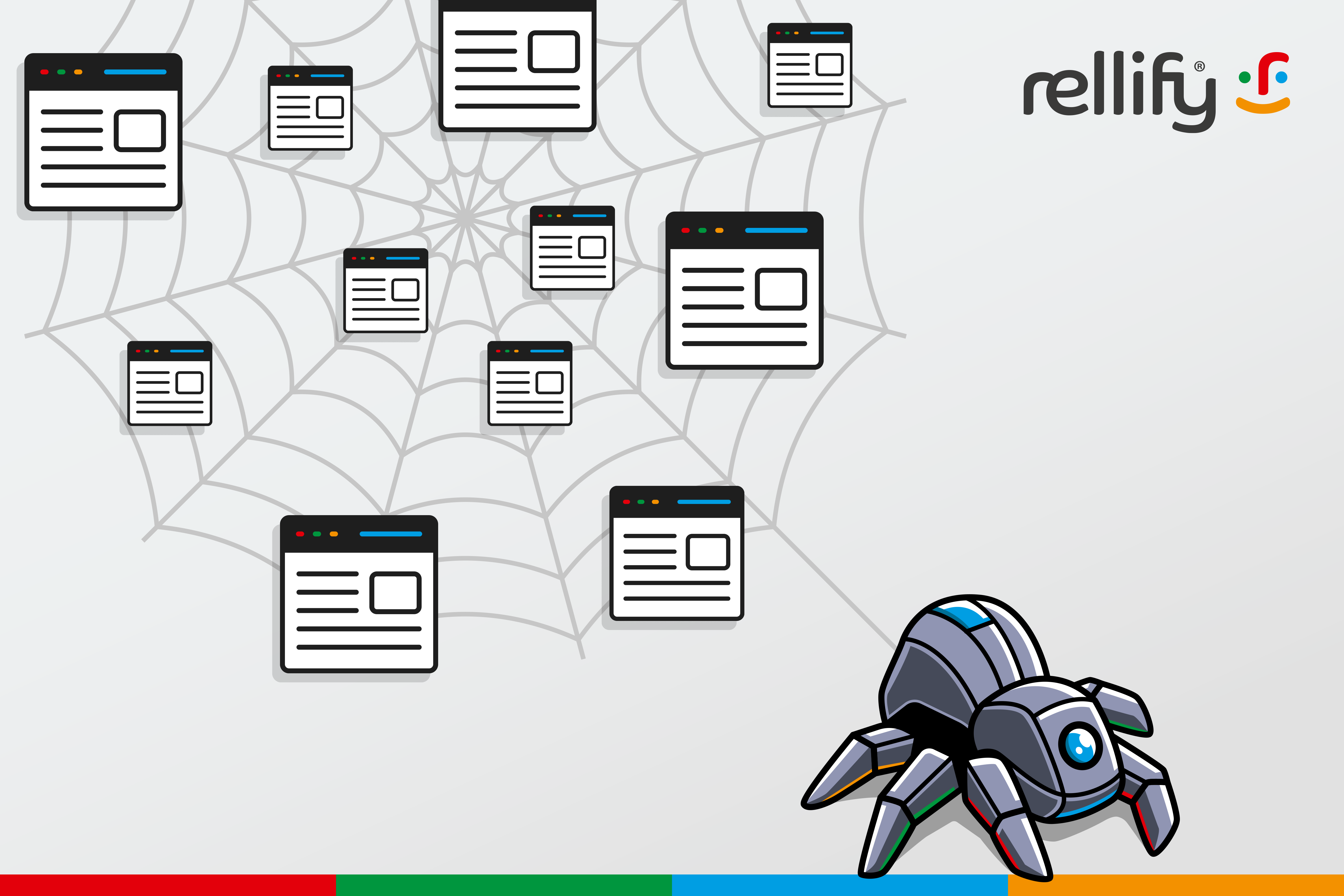
Once connected, initiate a full crawl. The AI scans every page, analyzing structure, links, content, and performance metrics.
This process usually takes minutes depending on site size. The key advantage is that it runs without manual intervention.
Step 3: Let AI Prioritize Issues
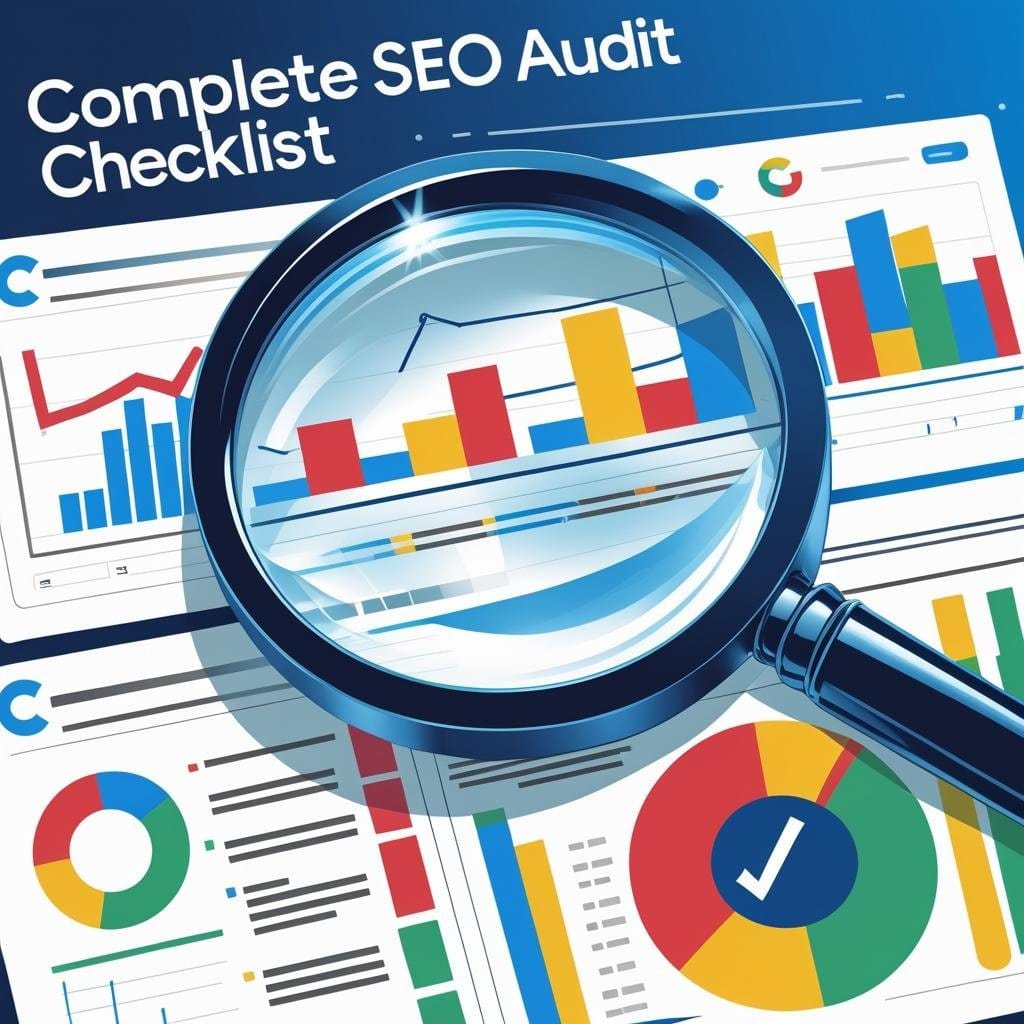
After the crawl, AI organizes findings into categories such as critical, warning, and opportunities.
This is where automation becomes strategic. Instead of guessing what to fix first, you follow a data-driven priority system.
Step 4: Analyze AI Recommendations Deeply
Do not blindly follow suggestions. Treat AI as an assistant, not a replacement.
Read the reasoning behind each recommendation. Understand how it impacts ranking, user experience, or conversions.
This step transforms raw data into actionable insight.
Step 5: Implement Fixes and Re-Audit Automatically
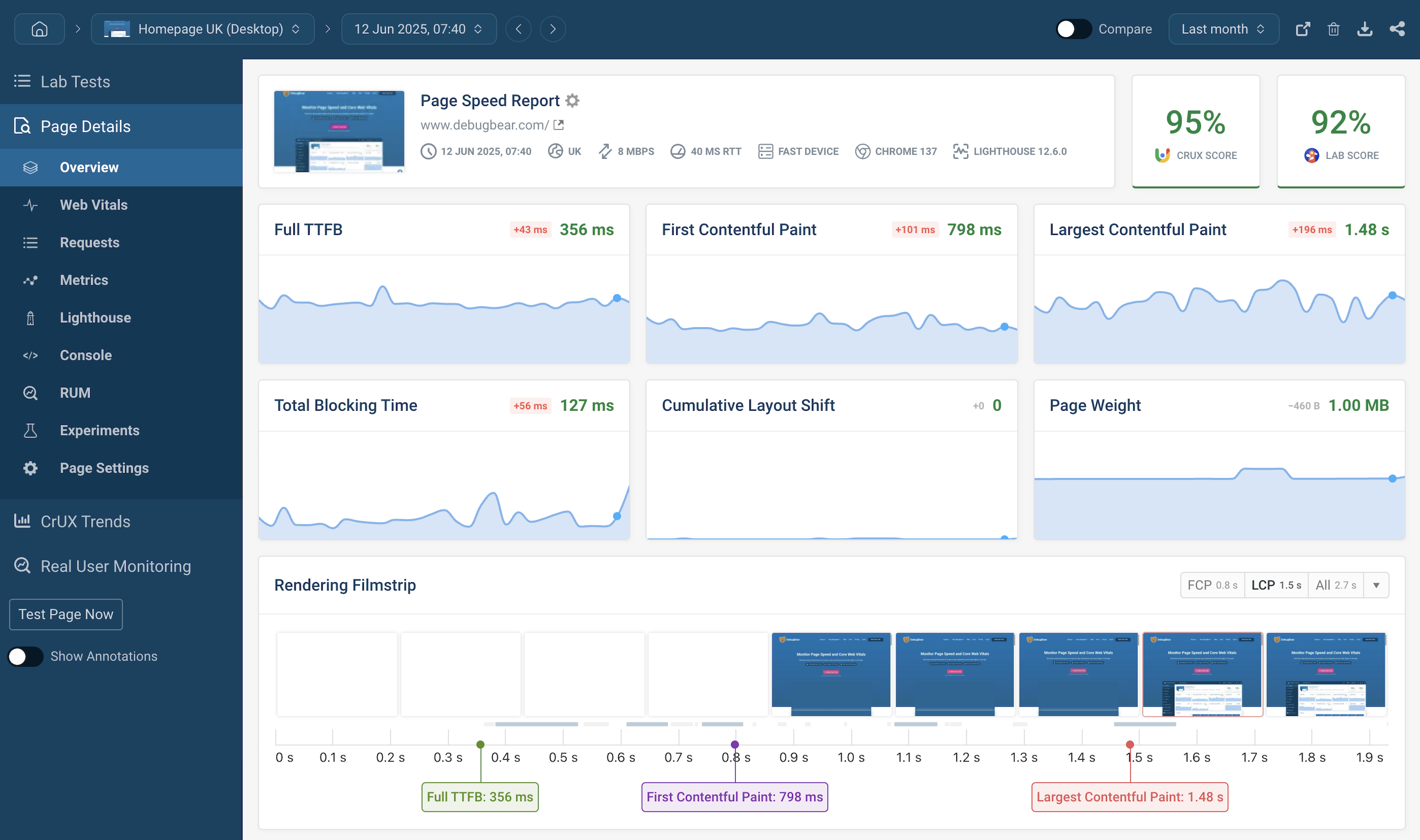
After applying fixes, run another automated audit. This creates a feedback loop.
You can measure improvements instantly and continue refining your website over time.
This cycle is the essence of mastering how to audit a website using AI automatically.
Best AI Tools for Automatic Website Audits
Choosing the right tools determines how effective your audit will be. While many options exist, the best ones combine automation with intelligent analysis.
AI-Powered SEO Platforms
Modern platforms integrate crawling, keyword analysis, and AI insights into one system. They provide real-time diagnostics and predictive recommendations.
The key feature to look for is contextual analysis, not just error detection.
Content-Focused AI Tools
These tools specialize in evaluating content quality. They analyze readability, keyword relevance, and semantic coverage.
They are especially useful for improving blog posts and landing pages.
Common Mistakes When Using AI for Website Audits
Even with powerful tools, mistakes can reduce effectiveness.
Over-Reliance on Automation
AI accelerates analysis, but human judgment is still essential. Blindly applying every recommendation can lead to over-optimization.
Ignoring Context and Business Goals
Not every issue matters equally. A technical error may be less important than a conversion problem depending on your goals.
Focusing Only on SEO Metrics
A website audit should not stop at rankings. User experience, engagement, and revenue impact must also be considered.
When learning how to audit a website using AI automatically, balance automation with strategic thinking.
Real-World Example: AI Audit Workflow in Action
Imagine you run a content website with declining traffic.
You run an AI audit and discover:
- Slow page speed affecting mobile users
- Thin content on key pages
- Broken internal links
The AI prioritizes speed optimization first. You fix image compression and caching.
Next, you improve content depth using AI suggestions. Finally, you repair links.
After re-auditing, your performance score increases significantly, and traffic begins to recover.
This is the practical power of automation combined with intelligent execution.
Conclusion: Mastering AI for Smarter Website Audits
Understanding how to audit a website using AI automatically is no longer optional—it is a competitive advantage.
AI transforms website audits from a time-consuming task into a fast, scalable, and insight-driven process. It helps you identify critical issues, prioritize actions, and continuously improve performance with minimal manual effort.
However, the real power lies in how you use it. When you combine AI automation with human strategy, you create a system that not only detects problems but drives measurable growth.
In the end, mastering this process means your website is always optimized, always improving, and always ready to compete at the highest level.
