


Bigtargetmedia.com – Image optimization for Google Lens and Visual Search is rapidly becoming a critical part of modern SEO. Search behavior is shifting from text-based queries to visual discovery, where users point their camera at an object and expect instant results. This transformation changes how content is indexed, ranked, and discovered.
To understand this shift, imagine traditional SEO as typing a question into a search bar. Visual search replaces that action with a photo. Instead of keywords alone, search engines now analyze shapes, colors, textures, and context. Image optimization for Google Lens and Visual Search ensures that your content becomes discoverable in this new environment.
Understanding How Google Lens and Visual Search Work
Before optimizing images, you must understand how visual search engines interpret content.
How Google Lens Identifies and Matches Images

Google Lens uses artificial intelligence to analyze visual elements such as objects, patterns, and text within an image. It compares these elements with indexed data to find matches.
Image optimization for Google Lens and Visual Search focuses on making images easier for algorithms to interpret accurately.
The Role of Context in Visual Search Results
Images do not exist in isolation. Search engines analyze surrounding text, page structure, and metadata to understand context.
This means optimization goes beyond the image itself.
Core Principles of Image Optimization for Visual Search
Effective optimization requires attention to both technical and contextual factors.
High-Quality and Relevant Image Content

Clarity matters. Image optimization for Google Lens and Visual Search starts with high-resolution, well-lit images that clearly display the subject.
Blurry or cluttered images reduce recognition accuracy.
File Names, Alt Text, and Metadata

Search engines rely on textual signals to understand images. Descriptive file names and alt text provide essential context.
For example, instead of “IMG123.jpg,” use a descriptive name that reflects the content.
Structured Data and Schema Markup
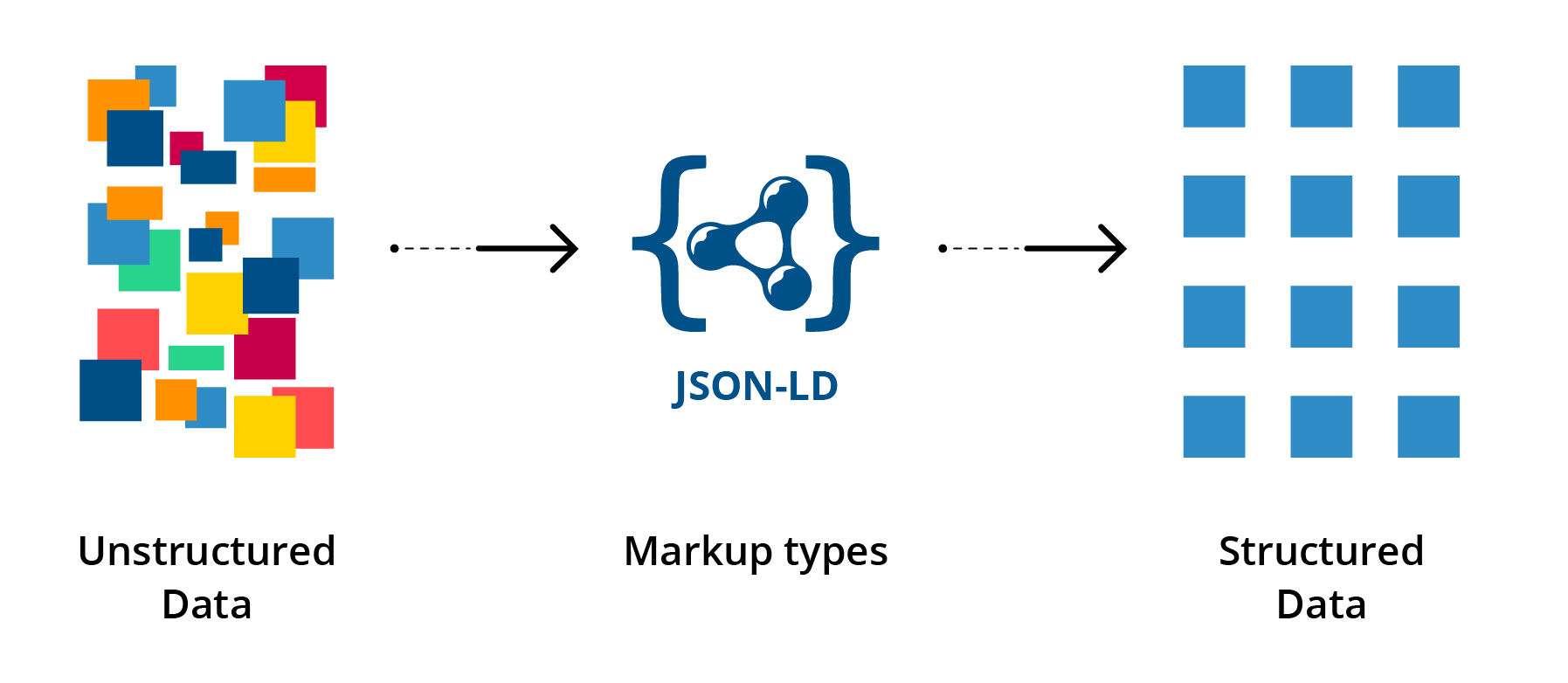
Structured data helps search engines connect images with products, articles, or services.
Image optimization for Google Lens and Visual Search benefits from schema markup that enhances discoverability.
How to Optimize Images Specifically for Google Lens
Optimization for visual search requires a slightly different approach compared to traditional SEO.
Focus on Object Clarity and Isolation

Google Lens performs better when the main object is clearly visible. Avoid cluttered backgrounds that confuse recognition.
This improves matching accuracy.
Use Multiple Angles and Variations

Providing multiple images increases the chances of matching user queries. Image optimization for Google Lens and Visual Search benefits from variety.
Different angles help algorithms understand the object more comprehensively.
Incorporate Text Recognition (OCR Optimization)
Google Lens can read text within images. Clear, readable text enhances recognition and relevance.
Avoid overly stylized fonts that reduce readability.
Integrating Visual Search Optimization Into Your Website Strategy
Optimization should align with your overall SEO system.
Embedding Images Within Relevant Content
Images should support the content around them. Image optimization for Google Lens and Visual Search improves when images align with relevant text.
This strengthens contextual signals.
Optimizing Page Speed and Mobile Experience

Fast-loading pages improve user experience and rankings. Compress images without sacrificing quality.
Mobile optimization is especially important since visual search often occurs on smartphones.
Common Mistakes in Image Optimization for Visual Search
Avoiding mistakes improves visibility and performance.
Using Generic or Stock Images Without Context

Stock images lack uniqueness. Image optimization for Google Lens and Visual Search favors original, relevant visuals.
Ignoring Technical Optimization
Without proper file names, alt text, and structure, images lose ranking potential.
Overlooking User Intent in Visual Search
Understanding why users search visually is essential. Align images with user intent, whether it is product discovery, inspiration, or information.
The Future of Image Optimization in SEO
Visual search continues to evolve rapidly.
AI and Machine Learning Advancements
AI improves recognition accuracy. Image optimization for Google Lens and Visual Search will become more sophisticated as algorithms evolve.
Visual Commerce and Shopping Integration
Visual search integrates directly with e-commerce. Users can discover and purchase products instantly through images.
Conclusion: Mastering Image Optimization for Google Lens and Visual Search
Image optimization for Google Lens and Visual Search represents a major shift in how users discover content online. By focusing on image quality, context, metadata, and user intent, you can position your content for visibility in visual search results.
When implemented correctly, this strategy transforms images into powerful traffic drivers and opens new opportunities for growth in the evolving search landscape.
