

Bigtargetmedia.com – How to research keywords using Perplexity AI is a question that reflects a major shift in SEO strategy. Traditional keyword research relies heavily on static tools that provide lists of keywords and metrics. Perplexity AI introduces a more dynamic approach, where keyword discovery becomes a process of exploration, context analysis, and real-time insight generation.
To understand this transformation, imagine traditional keyword tools as databases, while Perplexity AI acts like a research assistant. Instead of just giving you data, it helps you understand relationships between topics, user intent, and content opportunities.
Understanding How Perplexity AI Changes Keyword Research
Before applying techniques, you must understand how this tool differs from conventional SEO platforms.
From Keyword Lists to Contextual Insights

Traditional tools generate keyword lists based on search volume and competition. Perplexity AI focuses on context. It analyzes questions, related topics, and user intent more naturally.
How to research keywords using Perplexity AI begins by understanding that keywords are no longer isolated terms. They exist within a network of meaning.
Why Intent Matters More Than Volume
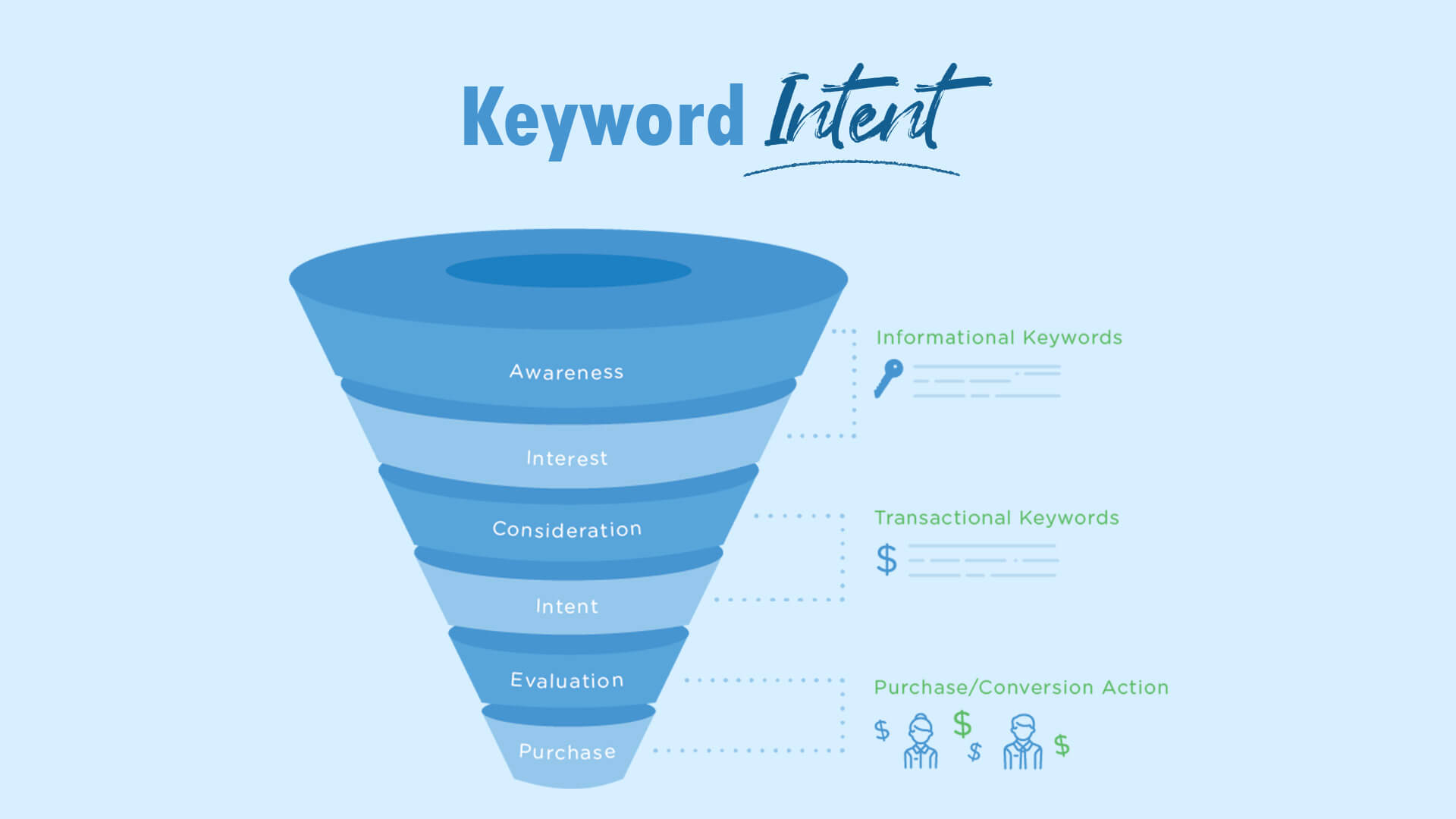
Many marketers chase high-volume keywords. However, high intent often leads to better conversions.
Perplexity AI helps uncover intent-driven queries that reflect what users actually want.
Step-by-Step Process to Research Keywords Using Perplexity AI
A structured approach ensures consistent results.
Starting With Seed Topics
Begin with a broad topic relevant to your niche. For example, if your niche is digital marketing, start with terms like “Facebook Ads” or “SEO tools.”
How to research keywords using Perplexity AI starts with asking natural questions instead of typing short keywords.
Expanding Queries Through AI Prompts

Ask Perplexity AI follow-up questions. For example, instead of stopping at one query, explore variations such as “best strategies,” “common mistakes,” or “step-by-step guides.”
This expands your keyword pool naturally.
Extracting Long-Tail Keyword Opportunities
Long-tail keywords are more specific and less competitive. Perplexity AI excels at generating these queries because it mimics how users ask questions.
These keywords often bring highly targeted traffic.
Using Perplexity AI for Keyword Clustering and Topic Mapping
Keyword clustering improves content strategy.
Grouping Keywords by Search Intent
Instead of treating keywords individually, group them based on intent. For example, informational queries belong to one cluster, while transactional queries belong to another.
How to research keywords using Perplexity AI becomes more effective when you organize data into clusters.
Building Content Silos From AI Insights
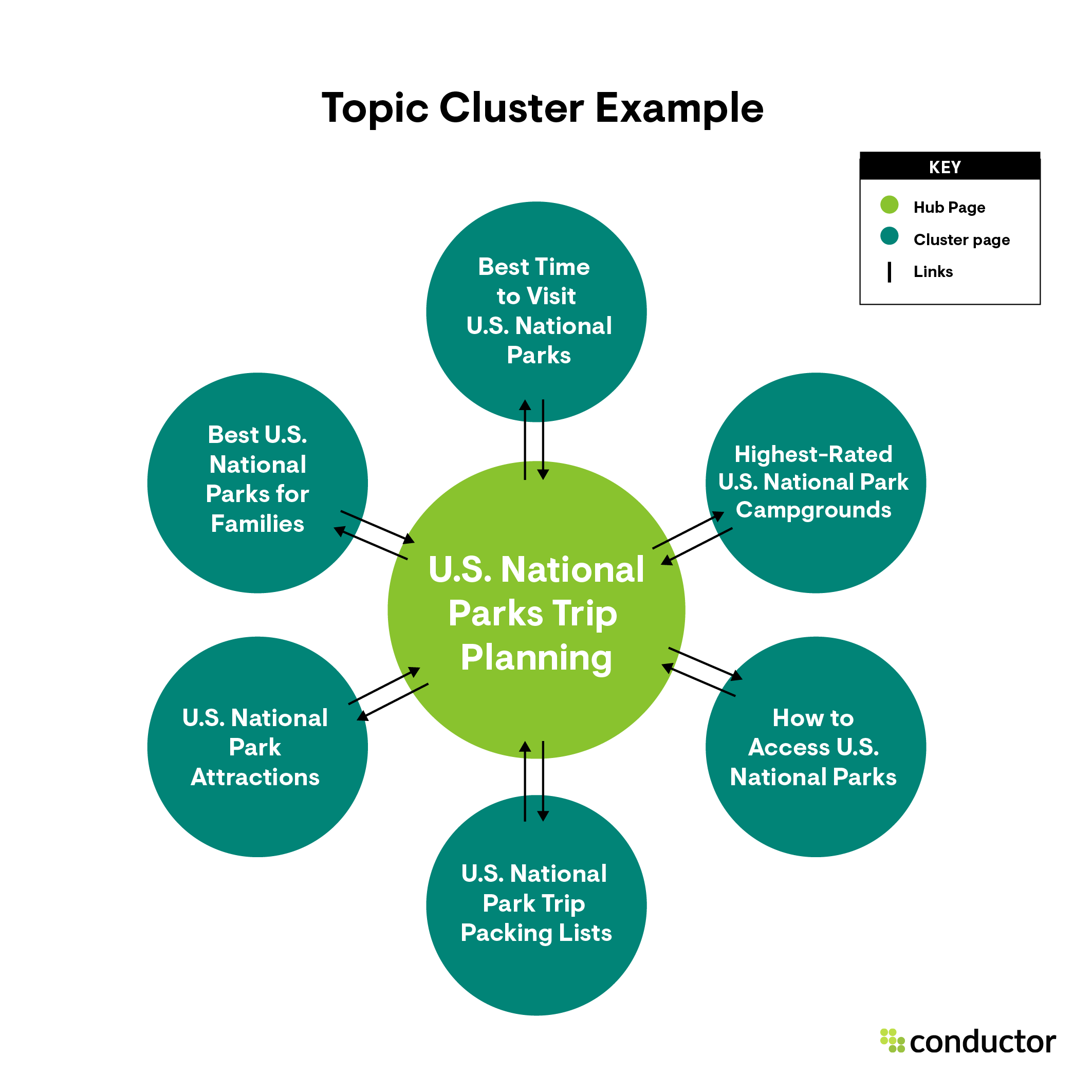
Clusters allow you to build content silos. Each silo focuses on a specific topic and includes multiple related articles.
This strengthens topical authority.
Validating Keywords Found Through Perplexity AI
Validation ensures that your research leads to results.
Cross-Checking With Search Data
Perplexity AI provides ideas, but validation confirms potential. Use traditional tools to check search volume and competition.
This step balances creativity with data.
Analyzing SERP Competition

Examine top-ranking pages for your target keywords. Identify patterns such as content length, structure, and format.
This helps you create competitive content.
Advanced Techniques for Keyword Research Using Perplexity AI
Once you master the basics, advanced techniques improve results.
Leveraging Conversational Queries

Perplexity AI works best with natural language. Use conversational queries to uncover how users actually search.
This aligns with voice search trends.
Identifying Emerging Trends Early

AI tools can highlight emerging topics before they become competitive. This gives you a first-mover advantage.
Common Mistakes When Using Perplexity AI for Keyword Research
Avoiding mistakes improves accuracy and effectiveness.
Treating AI Output as Final Data
AI generates ideas, not final answers. Always validate keywords before using them.
Ignoring Content Strategy Alignment
Keywords must align with your business goals. Random keyword selection leads to ineffective content.
Building a Repeatable Keyword Research System With Perplexity AI
Consistency leads to long-term success.
Creating a Workflow for Continuous Research

Develop a workflow that includes research, validation, content creation, and optimization.
How to research keywords using Perplexity AI becomes more efficient when integrated into a system.
Scaling Content Production With AI Insights
AI insights enable faster content creation without sacrificing quality. This allows you to scale your SEO efforts effectively.
Conclusion: Mastering How to Research Keywords Using Perplexity AI
How to research keywords using Perplexity AI represents a new approach to SEO that combines creativity, context, and data. By using AI to explore topics, identify intent, and generate long-tail opportunities, you can build a more effective keyword strategy.
When combined with validation and structured workflows, this method transforms keyword research into a scalable and repeatable system that drives consistent growth.
