

The digital landscape has transformed how individual identities are formed, perceived, and discovered online. Professional reputation, expertise, and credibility are no longer shaped solely through offline interactions or traditional media exposure. Instead, search engines now play a central role in determining how personal identities appear, evolve, and persist in the public domain. This shift has given rise to the growing importance of SEO for personal branding as a long-term digital strategy.
SEO for personal branding focuses on how individuals, rather than companies, are represented in search results. Names, professional roles, published content, interviews, and social profiles collectively form a searchable identity. When these elements are optimized strategically, search engines can present a more coherent and authoritative narrative around an individual’s expertise and public presence.
As digital competition increases across nearly every profession, personal visibility becomes both an opportunity and a challenge. Understanding how search engines interpret personal information, and how that information is structured across platforms, provides essential context for managing long-term digital reputation without relying on promotional tactics.

Understanding SEO for Personal Branding
SEO for personal branding refers to the practice of optimizing online content, profiles, and digital assets associated with an individual to improve visibility in search engine results. Unlike traditional SEO, which often targets products or services, this approach centers on names, expertise, and professional narratives.
At its core, SEO for personal branding aligns digital signals across multiple platforms. Search engines evaluate consistency, relevance, and authority when determining how a personal brand appears in search results. Factors such as content quality, backlink profiles, structured data, and platform credibility all contribute to this evaluation.
Personal branding through SEO is not limited to self-owned websites. Profiles on professional networks, contributions to third-party publications, podcast appearances, and academic citations all function as distributed assets. When optimized collectively, these assets strengthen digital identity and improve discoverability over time.
How Search Engines Interpret Personal Brands
Search engines treat personal brands differently from commercial entities. Instead of transactional intent, algorithms focus on credibility signals such as authorship, expertise, and contextual relevance. A consistent digital footprint helps search engines associate an individual’s name with specific topics or industries.
Entity recognition plays a critical role. When search engines identify a person as a distinct entity, related content becomes easier to organize and display accurately. This recognition is influenced by structured information, repeated associations, and authoritative references across trusted platforms.
Over time, search engines build contextual understanding. Articles, interviews, and professional profiles reinforce topical authority, helping algorithms determine what an individual is known for. SEO for personal branding, therefore, re operates as a cumulative process rather than a short-term optimization effort.
Content as the Foundation of Personal SEO
Content remains the cornerstone of SEO for personal branding. Long-form articles, thought leadership pieces, research publications, and educational resources establish topical relevance. These materials provide search engines with context while demonstrating expertise within a defined field.
Consistency in tone, subject matter, and attribution strengthens content signals. When an individual publishes across multiple platforms using a recognizable voice and consistent naming conventions, search engines can more easily connect those assets under a single personal identity.
Content longevity also matters. Evergreen topics related to professional expertise tend to accumulate authority over time, contributing to sustained visibility. This long-term approach differentiates personal branding SEO from trend-driven content strategies.
Benefits and Broader Implications
One of the primary benefits of SEO for personal branding is long-term visibility. Unlike paid exposure, organic search presence persists and compounds over time. Well-optimized personal assets continue to generate discovery opportunities without ongoing promotion.
Another advantage lies in credibility. Appearing prominently in search results for relevant topics reinforces professional authority. This visibility can influence how individuals are perceived by peers, organizations, and audiences encountering their work for the first time.
On a broader level, personal branding SEO contributes to digital trust ecosystems. Search engines prioritize authoritative and reliable sources, meaning individuals who maintain high-quality digital footprints indirectly support healthier information environments.
Professional Reputation and Digital Authority
SEO for personal branding also impacts reputation management. Search results often serve as the first point of contact between an individual and external audiences. A structured and accurate search presence helps reduce ambiguity and misinformation.
Authority building through SEO is gradual. Backlinks from reputable sources, mentions in credible publications, and consistent engagement within a niche reinforce trust signals. These elements collectively influence how search engines rank personal content.
Over time, digital authority becomes self-reinforcing. As content gains visibility, it attracts additional references and citations, strengthening personal brand recognition across platforms.
Risks, Challenges, and Considerations
Despite its advantages, SEO for personal branding presents several challenges. One significant risk involves over-optimization. Excessive repetition of names or keywords may reduce content quality and harm search performance.
Privacy concerns also emerge. Increased visibility can expose personal information beyond intended audiences. Managing what content is public and how it is framed becomes an important consideration in personal SEO strategies.
Another challenge lies in consistency. Fragmented profiles, outdated information, or inconsistent naming conventions can confuse search engines and weaken entity recognition. Maintaining coherence across platforms requires ongoing attention.
Algorithmic Dependence and Platform Changes
Personal branding SEO is influenced by algorithm updates and platform policies. Changes in search engine ranking factors may alter visibility unexpectedly, even for well-established personal brands.
Dependence on third-party platforms introduces additional uncertainty. Profile visibility on social networks or publishing platforms may fluctuate based on policy updates or algorithmic shifts.
Understanding these dependencies highlights the importance of diversified digital assets. A balanced presence across owned and external platforms helps mitigate risks associated with algorithmic changes.
Real Product and Service Examples
Personal Website and Blog
Personal websites serve as central hubs for SEO for personal branding and long-term authority building.
A personal website provides full control over content, structure, and branding. It allows individuals to publish in-depth material that reflects expertise and supports entity recognition.
Search engines often treat personal domains as primary reference points, making them foundational assets for personal branding SEO.
LinkedIn Profile Optimization
Professional networks contribute strongly to SEO for personal branding through high-authority domains.
LinkedIn profiles frequently rank highly for personal names. Optimized headlines, summaries, and activity sections reinforce professional identity.
Consistent engagement and content sharing further strengthen visibility within search results.
Medium Publishing Platform
Publishing platforms support SEO for personal branding through content distribution and authority signals.
Medium allows individuals to publish long-form content under their name. Articles often gain visibility due to the platform’s domain authority.
When properly attributed, these publications enhance topical relevance and backlink profiles.
Google Knowledge Panels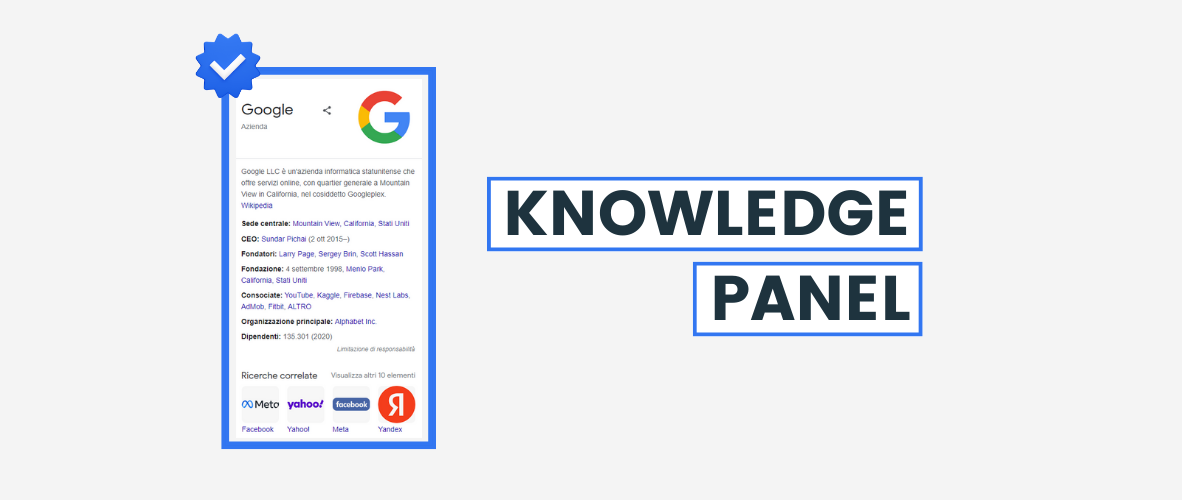
Knowledge panels reflect advanced stages of SEO for personal branding and entity recognition.
Knowledge panels may appear when search engines confidently identify an individual as a recognized entity. These panels aggregate biographical data, content links, and public references.
While not guaranteed, consistent optimization increases the likelihood of such features over time.
Use Cases and Real-World Scenarios
In professional services, SEO for personal branding supports credibility. Consultants, researchers, and advisors benefit from search visibility that highlights expertise and published insights rather than promotional claims.
In academic and educational contexts, personal branding SEO helps surface research contributions and scholarly work. Search visibility reinforces citation impact and public understanding of specialized topics.
Creative professionals use personal SEO to consolidate portfolios, interviews, and media mentions. A unified digital presence simplifies discovery and supports long-term career development.
Frequently Asked Questions
What is SEO for personal branding?
It is the practice of optimizing digital assets related to an individual to improve visibility and authority in search engine results.
How long does personal branding SEO take to show results?
Results typically develop over months or years, as authority and trust signals accumulate gradually.
Is SEO for personal branding different from business SEO?
Yes. Personal SEO emphasizes identity, expertise, and reputation rather than products or transactions.
Can social media profiles influence personal SEO?
High-authority platforms often rank well and contribute to overall visibility when profiles are optimized consistently.
Does personal branding SEO require technical skills?
While technical knowledge helps, content quality, consistency, and credibility are more influential factors.
Neutral Conclusion
SEO for personal branding represents a strategic approach to managing digital identity in an increasingly search-driven world. By aligning content, platforms, and credibility signals, individuals can shape how their expertise and professional narratives appear over time.
While challenges exist, particularly around consistency and privacy, a thoughtful and balanced approach supports sustainable visibility. As search engines continue to evolve, SEO for personal branding remains a relevant framework for understanding how individual identities intersect with digital information systems.
