


Bigtargetmedia.com – Money plays a central role in daily life, yet many people struggle to manage it effectively. Income arrives every month, expenses quickly follow, and savings often disappear without a clear plan. Without proper financial management, even a high income may fail to produce long-term stability.
Learning the smart ways to manage your personal finances allows individuals to gain control over their financial future. Personal finance management does not require complicated calculations or professional expertise. Instead, it depends on clear habits, thoughtful planning, and consistent discipline.
Think of personal finance like steering a ship. Without direction, the ship drifts wherever the wind pushes it. With a clear navigation plan, the captain controls the journey toward a specific destination. In the same way, financial planning guides income, spending, saving, and investing toward long-term goals.
Understanding the smart ways to manage your personal finances helps individuals reduce financial stress while building stability and long-term wealth.
Create a Clear Personal Budget
Understanding Where Your Money Goes

A personal budget acts as the foundation of financial management. Without a budget, money tends to disappear into daily expenses without clear awareness.
Creating a budget begins by tracking income and expenses. Income includes salaries, freelance work, or business revenue. Expenses include housing, transportation, groceries, entertainment, and other living costs.
When people review these numbers carefully, they often discover spending habits that they previously ignored. Small purchases such as subscriptions, frequent dining out, or impulse shopping can accumulate into significant monthly expenses.
A well-designed budget allocates income into specific categories. Essential expenses receive priority, while discretionary spending remains controlled.
Following a budget consistently represents one of the smart ways to manage your personal finances, because it transforms money management from guesswork into a clear financial system.
Build a Reliable Emergency Fund
Financial Security Before Wealth Building
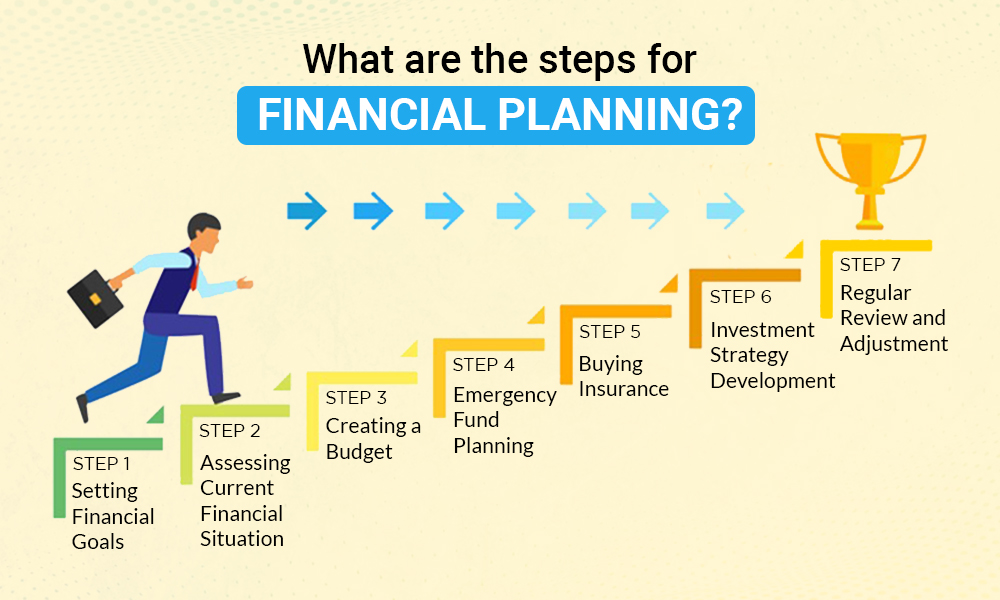
Unexpected financial events can occur at any time. Medical expenses, sudden repairs, or job loss may disrupt even the most carefully planned budget.
An emergency fund protects individuals from these unpredictable situations. This fund acts as a financial buffer that covers essential expenses during difficult times.
Financial experts often recommend saving three to six months of living expenses within an emergency fund. This money should remain easily accessible in a secure account rather than tied to risky investments.
Imagine driving a car without brakes. Even a skilled driver cannot avoid accidents without proper control systems. Similarly, financial planning becomes risky without a safety buffer.
Establishing an emergency fund represents one of the smartest ways to manage your personal finances, because it provides stability during unexpected challenges.
Control Spending Through Conscious Financial Decisions
Distinguishing Needs from Wants

One of the most important aspects of financial management involves controlling spending behavior. Many financial problems arise not from low income but from uncontrolled expenses.
Understanding the difference between needs and wants plays a crucial role in this process.
Needs include essential expenses required for daily living, such as housing, food, transportation, and healthcare. Wants include nonessential purchases like luxury items, entertainment upgrades, or unnecessary subscriptions.
Conscious spending does not mean eliminating enjoyment from life. Instead, it means making deliberate decisions about where money goes.
For example, someone may decide to reduce unnecessary purchases and redirect that money into savings or investments.
Practicing mindful spending is one of the smart ways to manage your personal finances, because financial discipline strengthens long-term financial stability.
Save Consistently for Future Goals
Building Financial Progress Step by Step

Savings represent the bridge between present income and future financial opportunities.
Instead of saving money only when extra funds remain, successful individuals treat savings as a fixed financial obligation. They allocate a percentage of their income toward savings every month before spending on discretionary items.
This habit often follows the “pay yourself first” principle. The idea involves directing money into savings accounts immediately after receiving income.
Over time, consistent savings accumulate into significant financial reserves. These funds may support future goals such as purchasing a home, funding education, starting a business, or achieving financial independence.
Consistent saving, therefore,e represents one of the smart ways to manage your personal finances, because it builds financial strength gradually.
Invest to Grow Wealth Over Time
Turning Savings Into Long-Term Financial Growth

Saving money protects financial security, but investing allows money to grow.
Investments work by generating returns through business profits, market growth, or interest payments. Over time, compound growth allows investments to expand significantly.
For beginners, diversified investment strategies often provide the safest starting point. Index funds, mutual funds, or long-term stock investments allow individuals to participate in economic growth while reducing individual risk.
Investing requires patience and a long-term mindset. Markets may fluctuate temporarily, but long-term investments often produce positive growth.
Learning to invest effectively remains one of the smart ways to manage your personal finances, because it transforms savings into wealth-building assets.
Reduce Debt and Strengthen Financial Freedom
Managing Credit Responsibly
Debt can either support financial progress or become a serious obstacle. Responsible borrowing may help individuals purchase homes, fund education, or grow businesses. However, excessive debt creates financial pressure that restricts long-term financial freedom.
Managing debt effectively involves prioritizing high-interest obligations such as credit card balances. Paying these debts quickly reduces interest costs and improves financial flexibility.
Some individuals follow the debt snowball method, which focuses on paying off smaller debts first to build momentum. Others use the debt avalanche method, which prioritizes debts with the highest interest rates.
Reducing unnecessary debt remains one of the smart ways to manage your personal finances, because lower debt levels create more opportunities for saving and investing.
Combine Income Growth With Financial Discipline
Expanding Financial Opportunities
Managing personal finances effectively involves not only controlling expenses but also increasing income opportunities.
Individuals may develop additional income streams through freelance work, side businesses, digital products, or investments. Extra income accelerates savings and investment goals.
Building multiple income sources also reduces financial risk. If one source declines, others continue providing support.
For readers interested in expanding income opportunities, you can explore deeper strategies in this related guide:
Read also: https://bigtargetmedia.com/how-to-build-passive-income-streams/
Combining income growth with financial discipline strengthens long-term financial resilience.
Conclusion
Financial stability does not happen by accident. It develops through deliberate decisions, consistent habits, and thoughtful planning.
Creating a budget, building an emergency fund, controlling spending, saving regularly, investing wisely, and reducing debt represent the most practical and smart ways to manage your personal finances.
These strategies help individuals transform income into long-term security and financial independence. By applying these principles consistently, anyone can strengthen financial control and create a more stable financial future.
Understanding and practicing the smart ways to manage your personal finances ultimately empowers individuals to make confident decisions about money and achieve lasting financial success.
