


Bigtargetmedia.com – Search optimization has entered a transformative phase. For many years, marketers focused on ranking pages in search engine result pages using keywords, backlinks, and technical improvements. Today, artificial intelligence increasingly shapes how people find information online. Because of this shift, understanding the difference between traditional SEO and AI-based SEO 2026 becomes essential for anyone managing digital content.
Traditional SEO revolves around helping web pages rank higher on search engines like Google or Bing. AI-based SEO focuses on making content understandable and usable by generative systems that produce direct answers for users.
Think of the difference this way. Traditional SEO helps users find your website among many search results. AI-based SEO helps your knowledge become part of the answer itself.
This change alters how websites structure information, demonstrate expertise, and communicate knowledge. Exploring the difference between traditional SEO vs AI-based SEO 2026 reveals how digital visibility now depends on both search ranking and AI interpretation.
The Foundation of Traditional SEO
How Traditional Search Ranking Works

To understand the difference between traditional SEO vs AI-based SEO 2026, it helps to start with the foundations of traditional search optimization.
Search engines historically organized information using ranking algorithms. These algorithms evaluate multiple signals to determine which web pages appear at the top of search results.
The ranking process focuses on factors such as:
Keyword relevance
Backlink authority
Page experience
Content quality
Technical optimization
When someone types a query, the search engine scans its index and displays pages that best match the query.
Website owners compete for higher positions in these rankings because higher placement usually leads to more traffic.
Traditional SEO strategies, therefore, re-emphasize improving ranking signals that influence the algorithm.
The Role of Keywords and Backlinks
Keywords form the backbone of traditional SEO. Content creators research the phrases that users type into search engines and build content around those queries.
If a page contains relevant keywords and provides useful information, search engines recognize the page as a strong candidate for ranking.
Backlinks also play a critical role. When reputable websites link to your page, search engines interpret those links as signals of trust and authority.
Together, keywords and backlinks help search engines determine which pages deserve visibility in search results.
These mechanisms illustrate the starting point for analyzing the difference between traditional SEO and AI-based SEO 2026.
The Rise of AI-Based SEO
How AI Search Systems Interpret Information
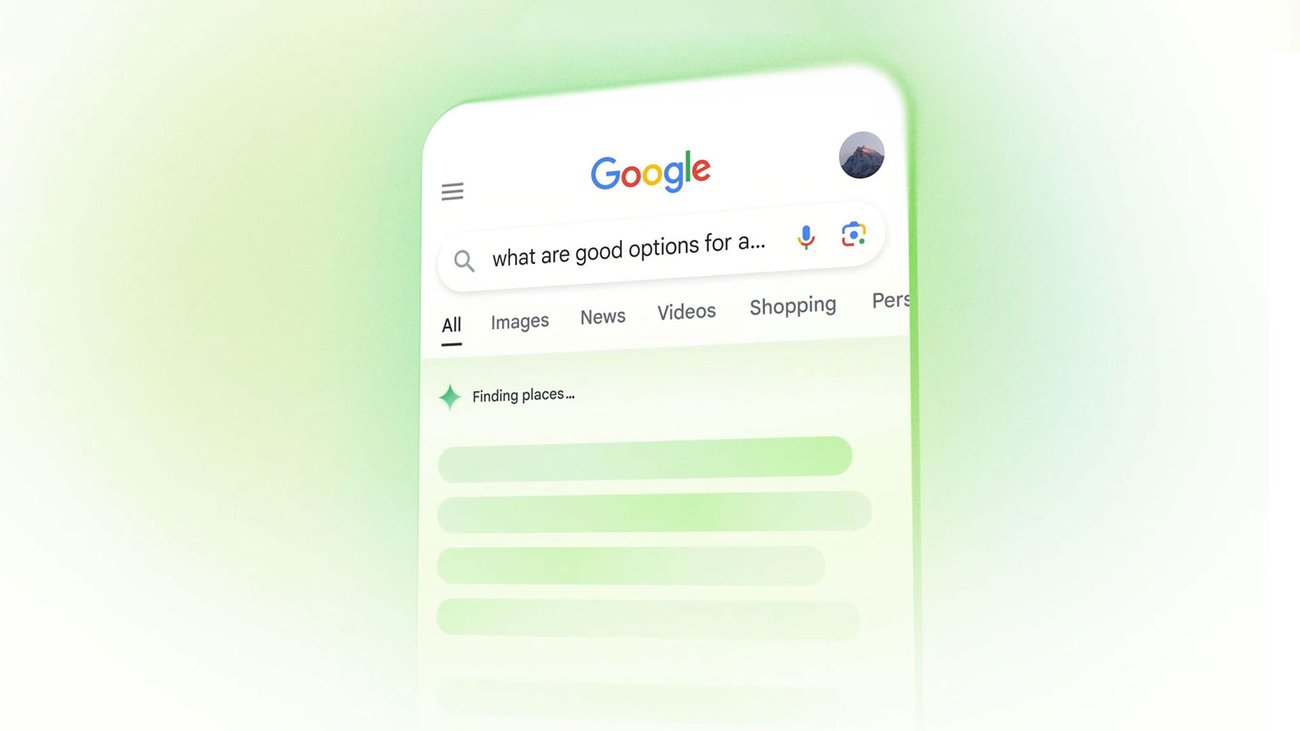
The emergence of generative AI has introduced a new search paradigm. AI-based systems do not only list web pages. They read multiple sources and generate summarized answers.
Understanding this behavior is crucial when analyzing the difference between traditional SEOands AI-based SEO 2026.
AI systems process information using natural language understanding and machine learning models. These models identify relationships between ideas, evaluate context, and synthesize insights into coherent responses.
Instead of directing users to several websites, the system often provides an immediate explanation derived from trusted sources.
This shift means that websites must communicate knowledge in a way that AI systems can easily interpret and extract.
From Ranking Pages to Supplying Knowledge
Traditional SEO focuses on ranking. AI-based SEO focuses on knowledge extraction.
When AI generates answers, it scans multiple articles and identifies passages that clearly explain the topic. The system then combines those insights into a single response.
This process means that visibility no longer depends solely on page ranking. It also depends on whether AI systems recognize your content as a reliable information source.
The transition from ranking pages to supplying knowledge marks a central element in the difference between traditional SEandvs AI-based SEO 2026.
Content Strategy Differences
Traditional SEO Content Structure

Content created for traditional SEO typically revolves around keyword targeting. Writers identify search phrases with high traffic potential and build articles that include those phrases naturally.
The goal involves satisfying search intent while also signaling relevance to the algorithm.
Traditional SEO content often includes:
Keyword-focused headings
Meta descriptions optimized for click-through rate
Internal linking strategies
Structured page layout for ranking signals
This approach helps pages compete for visibility within search results.
AI-Based SEO Content Design
AI-based SEO introduces a different priority. Instead of focusing primarily on keyword placement, content must emphasize clarity and knowledge depth.
AI systems analyze semantic relationships rather than simple keyword repetition.
Content designed for AI extraction often includes clear explanations, logical topic flow, and structured sections that answer specific questions.
For example, an article explaining digital marketing might begin with a concise definition, then expand into examples, strategies, and practical insights.
This clarity allows AI models to identify key passages when generating answers.
These structural differences highlight another aspect of the difference between traditional SEO and AI-based SEO 2026.
Authority Signals in Both SEO Models
Authority in Traditional SEO
Authority signals have always played a central role in search optimization.
In traditional SEO, backlinks serve as the primary authority indicator. When reputable websites link to your page, search engines interpret those links as endorsements.
Domain authority grows when a website earns links from trusted sources.
This system allows search engines to identify which pages hold credibility within a particular subject area.
Authority in AI-Based SEO
AI-based SEO still values authority signals, but it also evaluates expertise in deeper ways.
Generative systems analyze whether content demonstrates genuine knowledge. They examine author identity, topical depth, and contextual explanations.
Websites that publish comprehensive knowledge about a topic build stronger credibility signals.
For example, a website that publishes many detailed articles about digital marketing becomes a recognized authority within that domain.
AI systems often prefer sources that demonstrate consistent expertise across related topics.
This shift represents another important element of the difference between traditional SEOands AI-based SEO 2026.
Technical SEO in the AI Era
Traditional Technical SEO Foundations
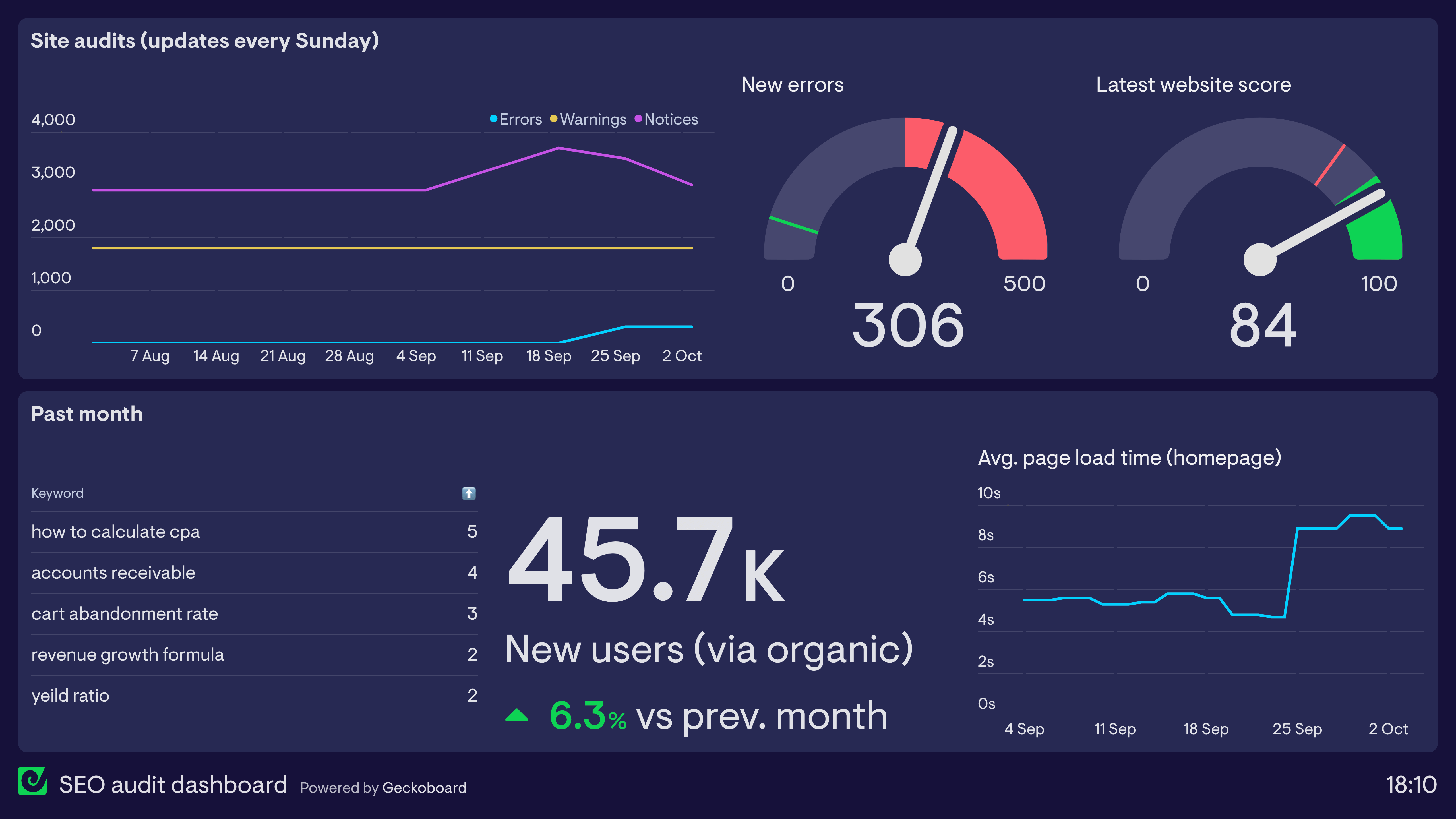
Technical optimization remains essential in both SEO models.
Traditional SEO emphasizes crawlability and indexability. Search engines must access pages easily to analyze their content.
Fast loading speed, mobile responsiveness, and clean site architecture improve the user experience and help search engines evaluate the website.
Technical improvements strengthen ranking potential by making content accessible and user-friendly.
Structured Data for AI Understanding
AI-based SEO expands the role of technical optimization by emphasizing structured data.
Schema markup provides additional context about the information on a page. It identifies elements such as authors, articles, FAQs, and products.
When AI systems analyze structured pages, they understand relationships between different pieces of information more easily.
Structureddat thereforeere f, ore increases the chances that AI systems interpret your content correctly when generating responses.
This technical layer contributes to the evolving difference between traditional and OdO vs AI-based SEO 2026.
User Behavior and Search Experience
Traditional Search Interaction

Traditional search requires users to evaluate multiple results.
A user typically enters a query, scans several links, and visits multiple pages before finding the desired information.
This behavior encourages websites to compete for higher-ranking positions, which attract more attention, which increases website traffic.
AI-Powered Search Interaction
AI-based search changes the user experience dramatically.
Instead of browsing multiple links, users often receive a direct explanation generated by the system.
The AI summarizes information from several sources and delivers a concise answer immediately.
This interaction reduces the need for users to open multiple pages.
For website owners, the challenge shifts from attracting clicks to becoming a trusted source for AI-generated responses.
This change highlights a fundamental part of the difference between traditional SEO and AI-based SEO 2026.
Conclusion
The difference between traditional SEOands AI-based SEO 2026 reflects a broader transformation in how people access information online. Traditional SEO focuses on ranking web pages through keywords, backlinks, and technical signals that influence search algorithms.
AI-based SEO focuses on making knowledge clear, structured, and authoritative so that generative systems can interpret and reference it while answering user queries.
While traditional ranking strategies remain valuable, modern digital visibility increasingly depends on how well content communicates knowledge to both humans and AI systems.
Understanding the difference between traditional SEandvs AI-based SEO 2026 helps marketers, publishers, and website owners adapt their strategies for the future of AI-driven search and information discovery.
