
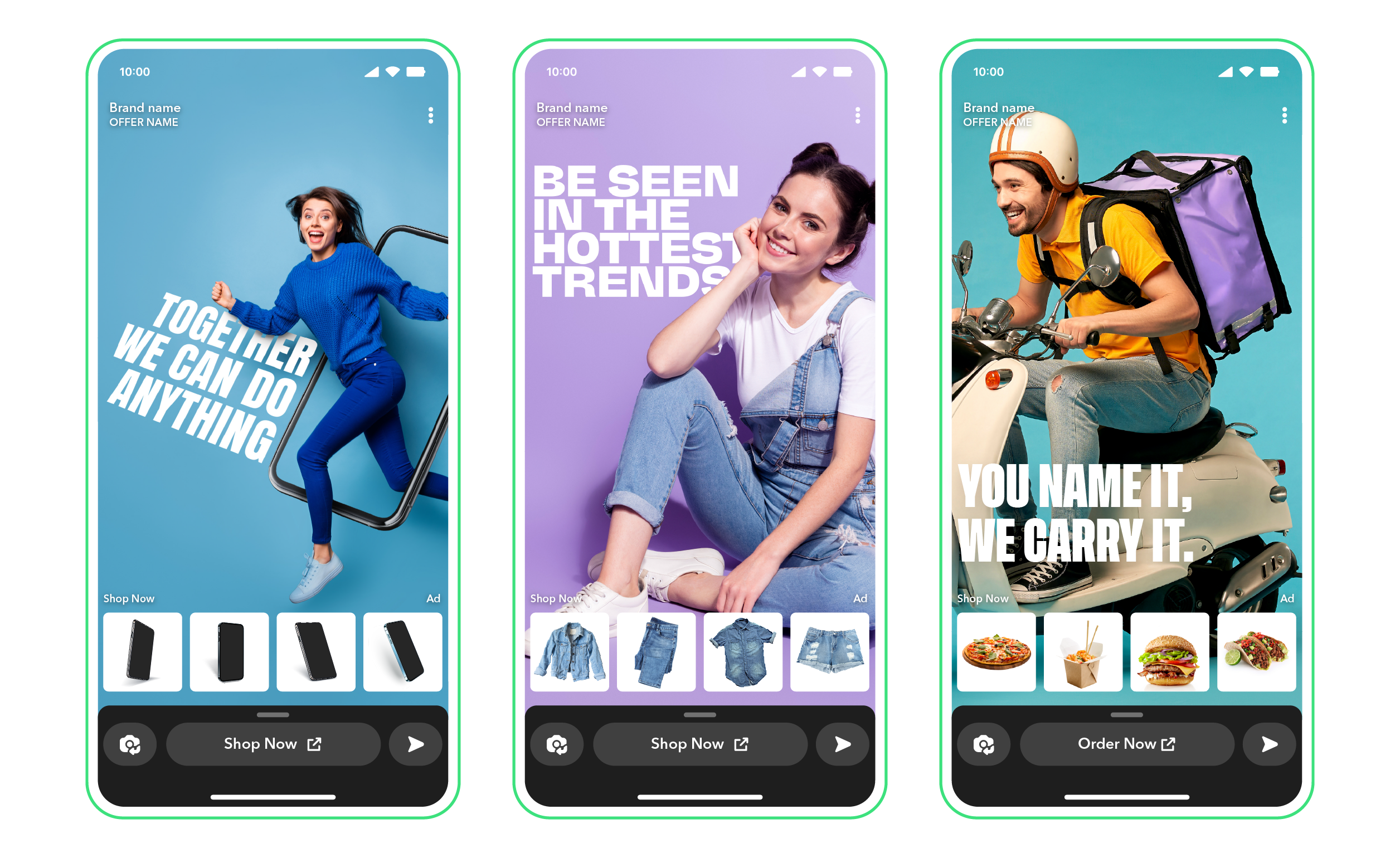
Bigtargetmedia.com – Social media sites to advertise your business are no longer optional channels—they are essential growth engines that determine how fast and how efficiently a business can scale in today’s digital landscape. Each platform behaves differently, attracts a unique audience, and rewards specific types of content. Understanding these differences is the key to turning advertising into a predictable system rather than a guessing game.
Think of social media advertising like choosing the right marketplace. Selling luxury watches in a street market will fail, just as running the wrong type of ads on the wrong platform will waste your budget. The goal is not to be everywhere, but to be exactly where your audience is most responsive.
Understanding the Role of Social Media Sites in Business Advertising
Before selecting platforms, you need to understand how social media functions as an advertising ecosystem.
The Shift From Organic Reach to Paid Visibility

Social platforms once allowed businesses to reach audiences organically. Today, algorithms prioritize paid content, making advertising the primary driver of visibility. Businesses that rely only on organic posts struggle to gain traction.
Social media sites to advertise your business now operate as auction-based ecosystems where advertisers compete for attention.
Matching Platform Behavior With Business Goals
Each platform serves a different role. Some excel at brand awareness, while others drive direct conversions. Choosing the right platform depends on your objective—whether you want leads, sales, or engagement.
Facebook and Instagram: The Core Platforms for Scalable Advertising
These platforms remain the foundation for most businesses due to their advanced targeting capabilities.
Why Facebook Ads Still Dominate Performance Marketing
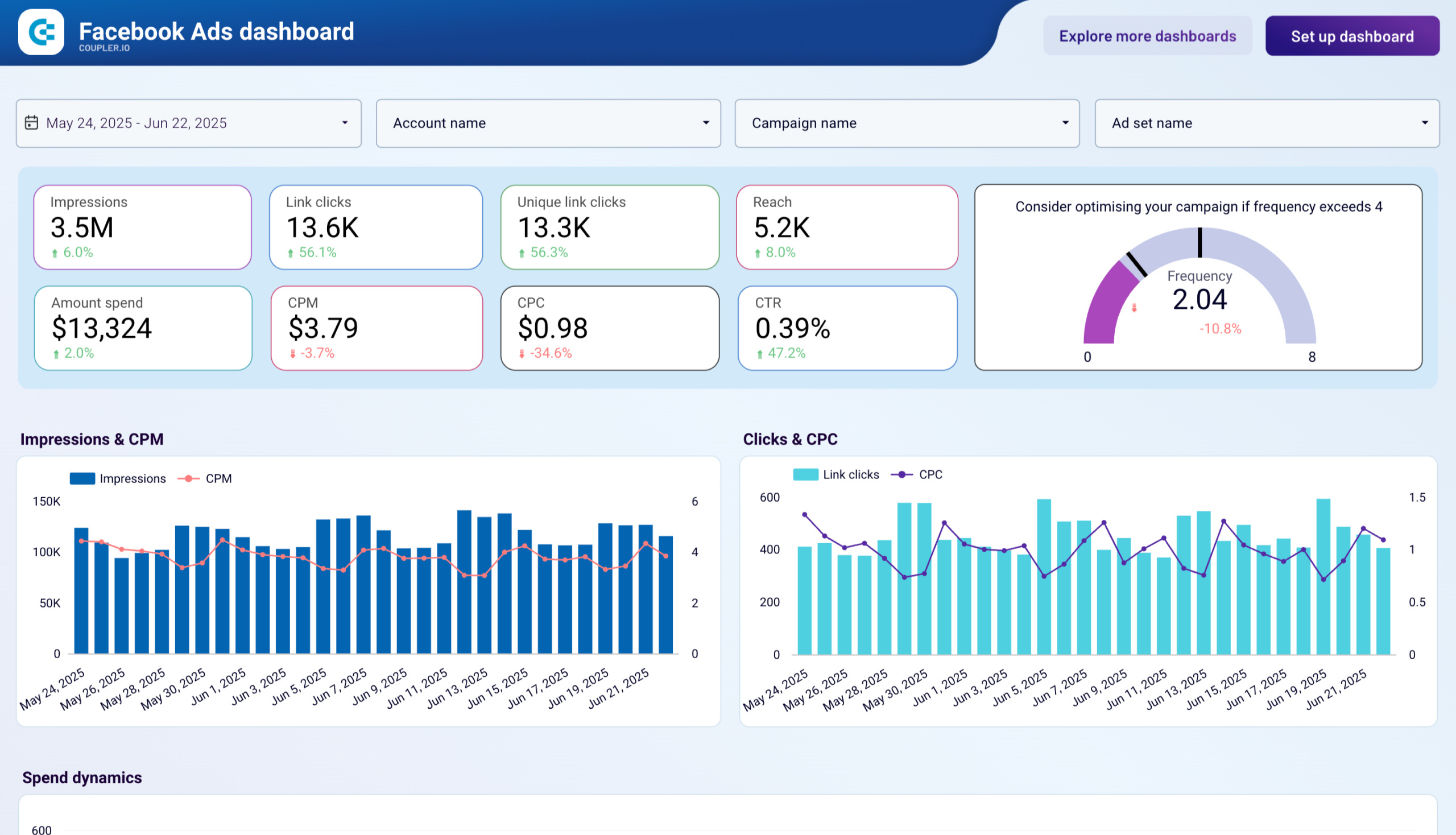
Facebook provides unmatched targeting precision. Advertisers can reach users based on interests, behaviors, and past interactions. This level of control makes it one of the most effective social media sites to advertise your business.
For niches like home services or travel—areas you actively target—Facebook enables highly localized and intent-driven campaigns.
Instagram for Visual Storytelling and Engagement
Instagram focuses on visual content. Businesses that use strong imagery and short-form video can capture attention quickly. It works particularly well for lifestyle, travel, and design-oriented industries.
TikTok and YouTube: High-Impact Platforms for Attention and Scale
These platforms dominate user attention through video content.
TikTok for Rapid Reach and Viral Potential
TikTok offers explosive reach. Its algorithm pushes content based on engagement rather than follower count, making it one of the fastest-growing social media sites to advertise your business.
Brands that adopt native-style content—authentic, fast-paced, and engaging—often see strong results.
YouTube for Long-Form Content and Intent-Based Traffic

YouTube operates more like a search engine. Users actively look for solutions, making it ideal for educational content and product demonstrations.
This platform works well for high-ticket services and complex offers that require deeper explanation.
LinkedIn and Twitter (X): Platforms for Professional and Niche Audiences
Not all businesses target mass markets. Some require precision targeting in specific industries.
LinkedIn for B2B and High-Value Clients
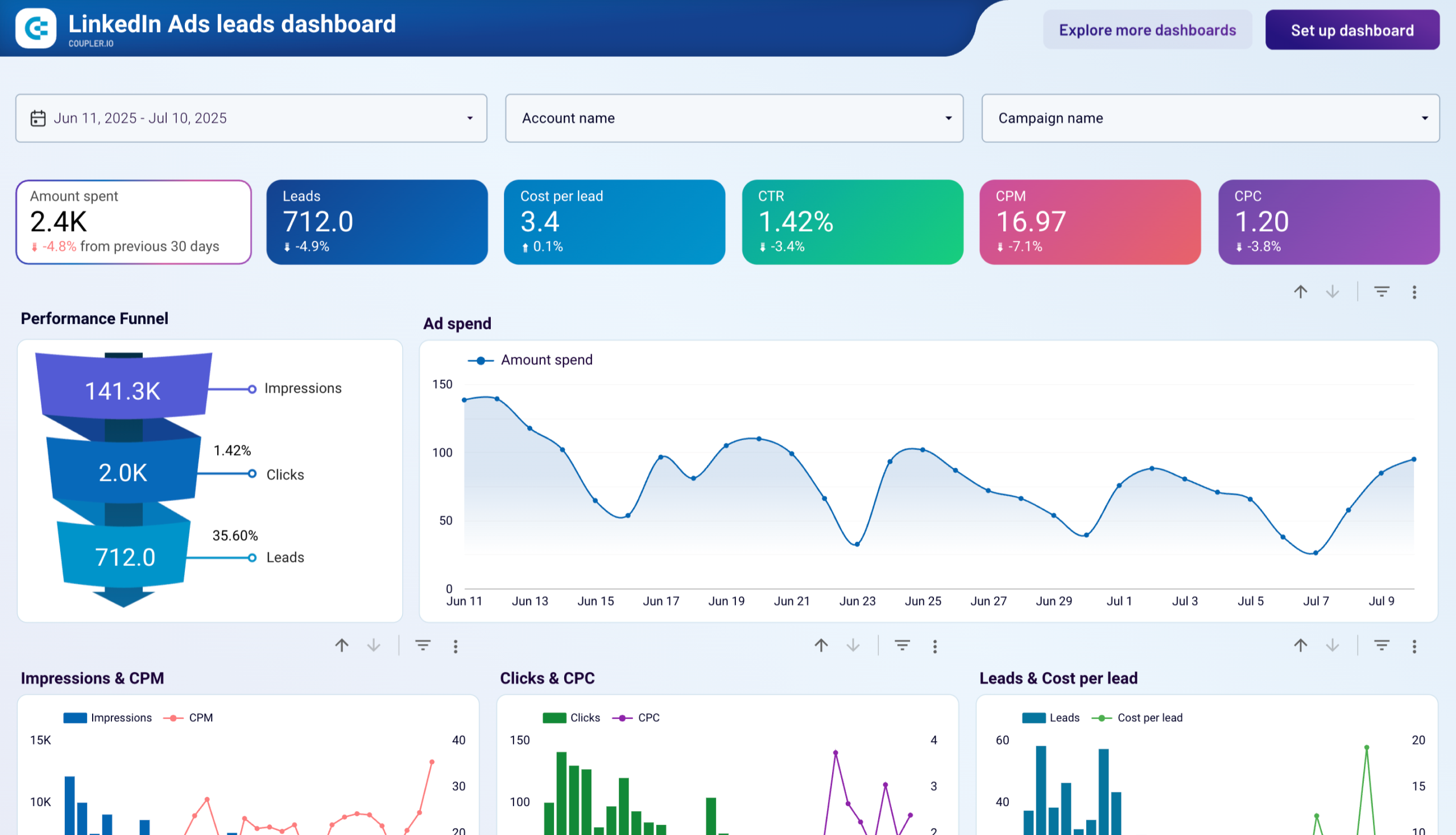
LinkedIn excels in B2B marketing. It allows targeting based on job titles, industries, and company size. This makes it one of the most effective social media sites to advertise your business if you sell services to professionals or corporations.
Twitter (X) for Real-Time Engagement and Trends
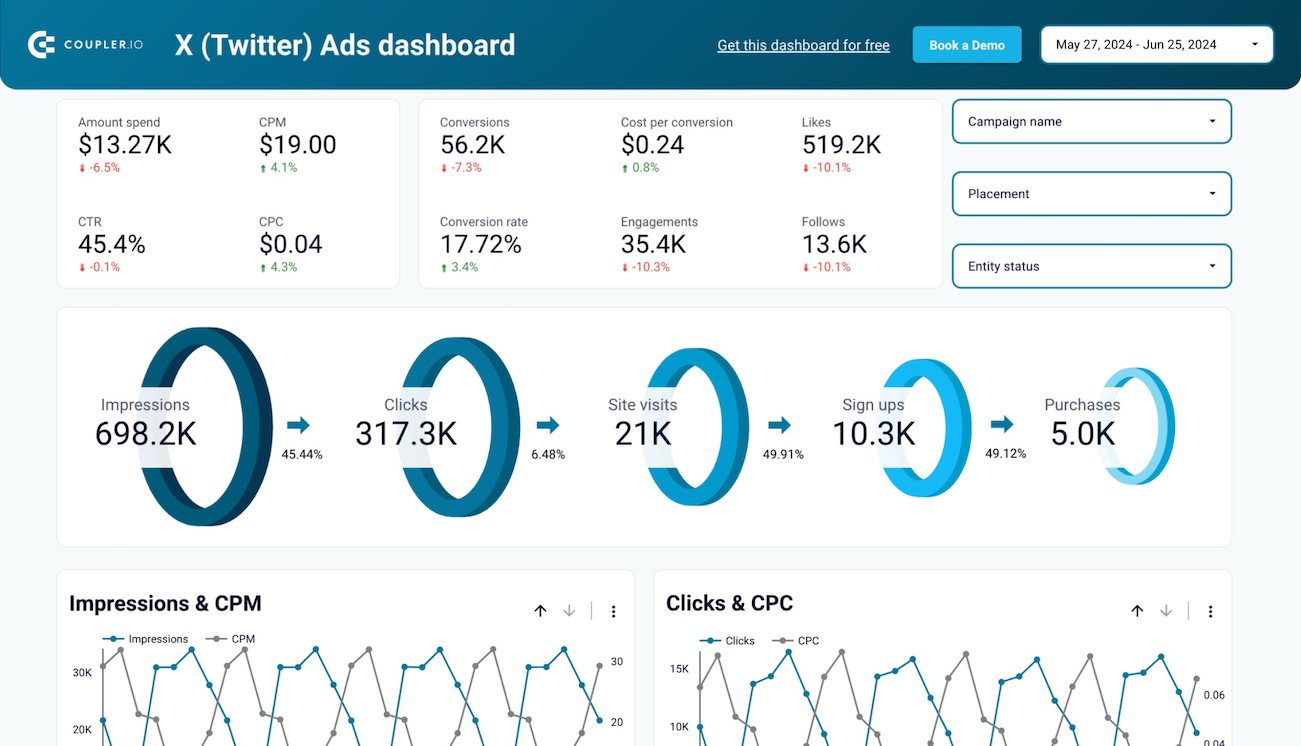
Twitter (X) thrives on real-time conversations. Businesses that align with trends or news cycles can generate immediate engagement.
It works best for brands that want to stay relevant and visible in fast-moving discussions.
Choosing the Right Social Media Sites Based on Your Business Model
Selecting platforms without a strategy leads to wasted resources.
Local Services vs Global Brands
Local businesses benefit from platforms like Facebook and Instagram due to geo-targeting capabilities. Global brands, on the other hand, leverage multiple platforms to reach diverse audiences.
High-Ticket vs Low-Ticket Offers
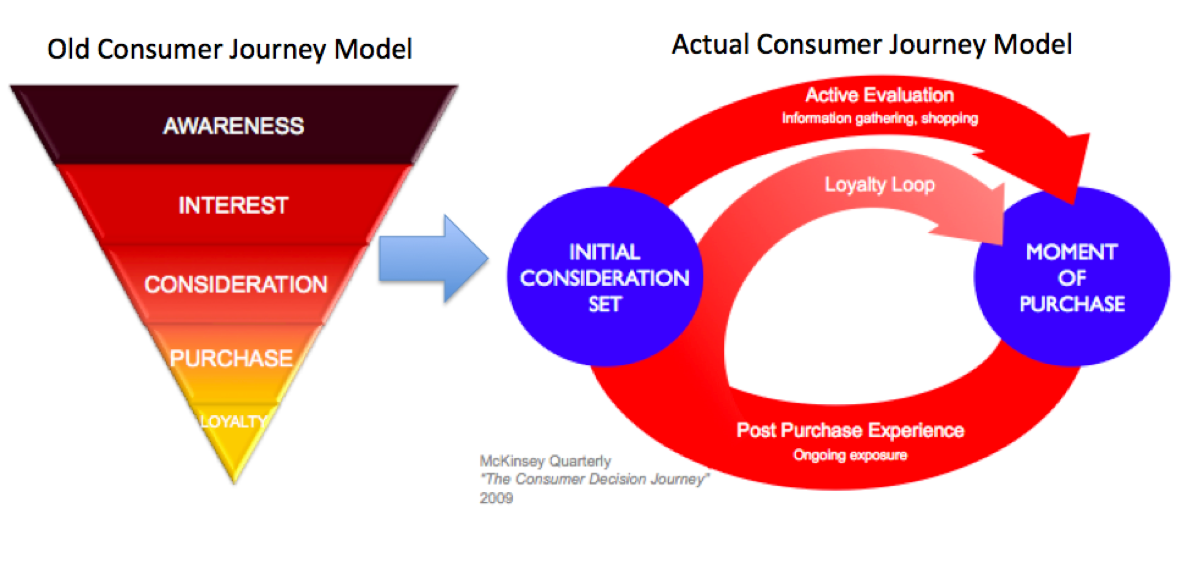
High-ticket offers often require platforms like YouTube or LinkedIn, where deeper engagement is possible. Low-ticket products perform well on fast-paced platforms like TikTok and Instagram.
Building a Multi-Platform Advertising Strategy That Works
Relying on a single platform limits growth potential.
Integrating Platforms Into a Unified Funnel
A strong strategy connects multiple platforms into one system. For example, TikTok can generate awareness, Facebook can retarget users, and YouTube can educate them before conversion.
This integrated approach maximizes efficiency and results.
Budget Allocation and Testing Strategy
Testing determines success. Businesses should allocate budget across platforms, analyze results, and scale the best-performing channels.
This process transforms social media sites to advertise your business into a predictable growth system.
Common Mistakes When Choosing Social Media Advertising Platforms
Avoiding mistakes is just as important as choosing the right platforms.
Spreading Budget Too Thin Across Platforms
Trying to be everywhere often leads to poor performance. Focus on a few platforms and dominate them before expanding.
Ignoring Creative Adaptation Per Platform

Each platform requires a unique content style. Reusing the same creative across platforms reduces effectiveness.
Lack of Data-Driven Decision Making
Decisions should rely on data, not assumptions. Tracking performance allows businesses to optimize campaigns continuously.
Conclusion: Choosing the Right Social Media Sites to Advertise Your Business
Social media sites to advertise your business provide powerful growth opportunities when used strategically. Each platform offers unique advantages, and success depends on aligning those strengths with your business goals.
By understanding platform behavior, selecting the right channels, and building an integrated strategy, you can transform social media advertising into a scalable and predictable system. When executed correctly, social media sites to advertise your business become more than marketing tools—they become the foundation of sustainable digital growth.
