

Counter-Strike: Global Offensive stands as one of the most influential competitive shooters in gaming history. Since its release, it has shaped how players approach teamwork, strategy, and mechanical precision in first-person shooters. Unlike fast-paced arcade shooters that prioritize chaos, Counter-Strike: Global Offensive builds its identity on calculated decisions, economic management, and disciplined execution.
The enduring appeal of Counter-Strike: Global Offensive comes from its clarity of purpose. Two teams enter a confined map with defined objectives. Terrorists aim to plant and defend a bomb. Counter-Terrorists work to prevent detonation or defuse it. That simple structure creates endless layers of tactical depth. Every round resets momentum while preserving long-term economic consequences. The result is a competitive ecosystem that rewards preparation, coordination, and skill.
The Origins and Evolution of Counter-Strike: Global Offensive
From Mod to Global Esports Phenomenon
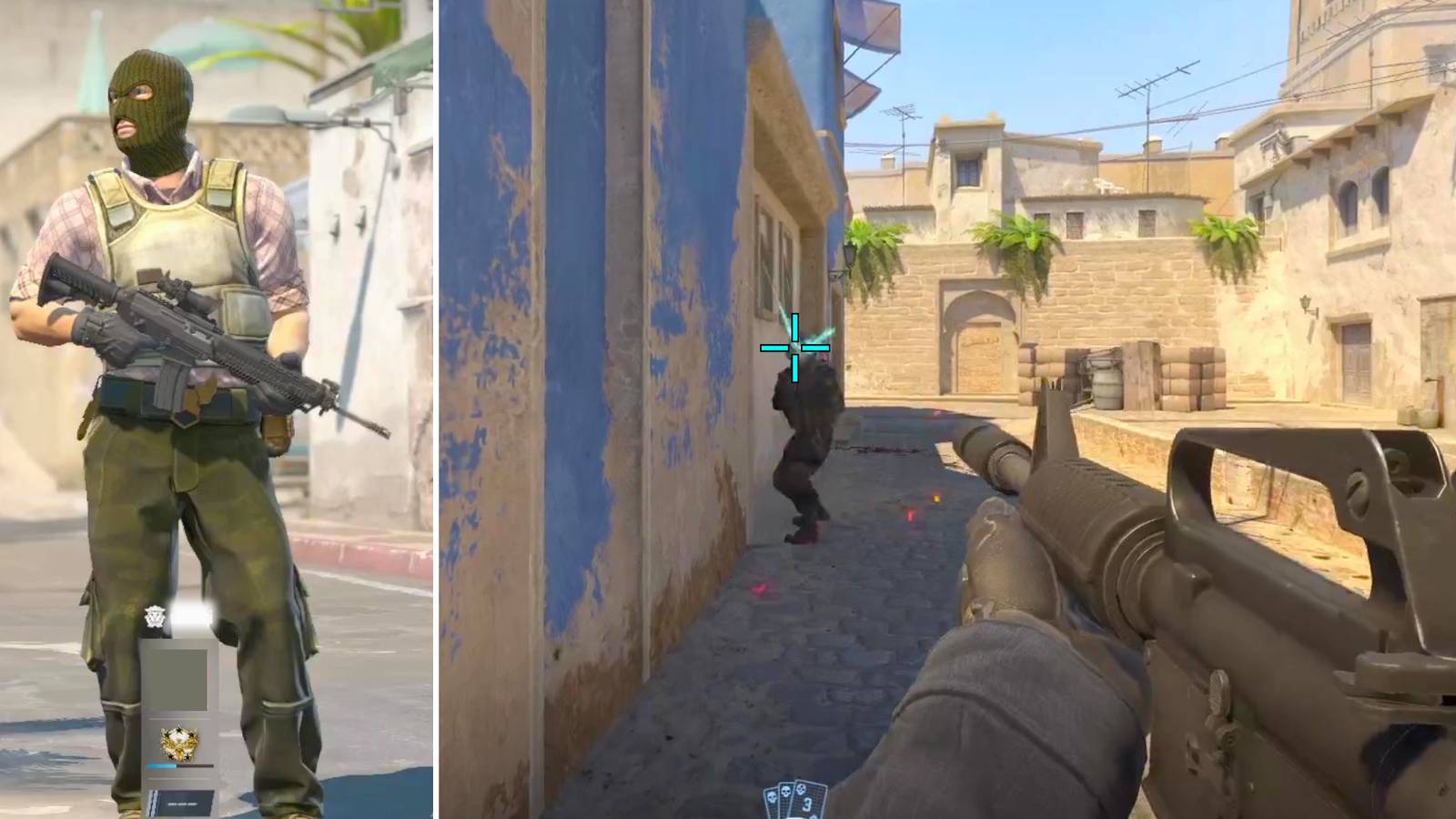
Counter-Strike began as a modification for Half-Life before evolving into a standalone franchise. Counter-Strike: Global Offensive expanded upon earlier versions by refining mechanics, improving graphics, and strengthening competitive matchmaking systems. The transition from community mod to global esports staple reflects its adaptability.
Developers maintained the core gameplay structure that fans valued while modernizing presentation. They introduced balanced weapon tuning, updated maps, and improved networking systems. This evolution ensured that Counter-Strike: Global Offensive retained its identity while meeting contemporary standards.
Consistency as a Competitive Foundation
Many multiplayer titles reinvent themselves drastically with each iteration. Counter-Strike: Global Offensive followed a different path. Instead of frequent radical changes, it preserved consistent mechanics. Players invested time mastering recoil patterns, grenade trajectories, and map layouts.
That consistency fostered long-term commitment. Professional players built careers around stable mechanics. Casual players refined their skills across thousands of matches. Stability strengthened its competitive ecosystem.
Core Gameplay Mechanics That Define Counter-Strike: Global Offensive
Round-Based Tactical Structure
![CS:GO SDK Creating Advanced Bomb Site Zones to Trigger Fire and Dust - Tutorial 2/2 [Tutorial #12]](https://i.ytimg.com/vi/_i3HnkgEfw0/maxresdefault.jpg)
Each match unfolds through a series of rounds. Teams alternate sides after a set number of rounds, balancing offensive and defensive opportunities. Victory depends on round wins rather than kill counts alone. Objective play determines outcomes.
The round-based system introduces tension. A single mistake can cost a round. However, players receive another opportunity in the next round. This structure encourages resilience and strategic adaptation.
Economic System and Strategic DepthCounter-Strikee: Global Offensive features a distinctive in-game economy. Players earn money based on round outcomes, kills, and objective completion. Teams decide whether to purchase full equipment, save resources, or execute strategic “eco” rounds.
This financial layer adds depth beyond shooting mechanics. Teams must forecast future rounds and coordinate purchases. Smart economic management often determines match results.
Map Design and Tactical Awareness
Iconic Competitive Maps
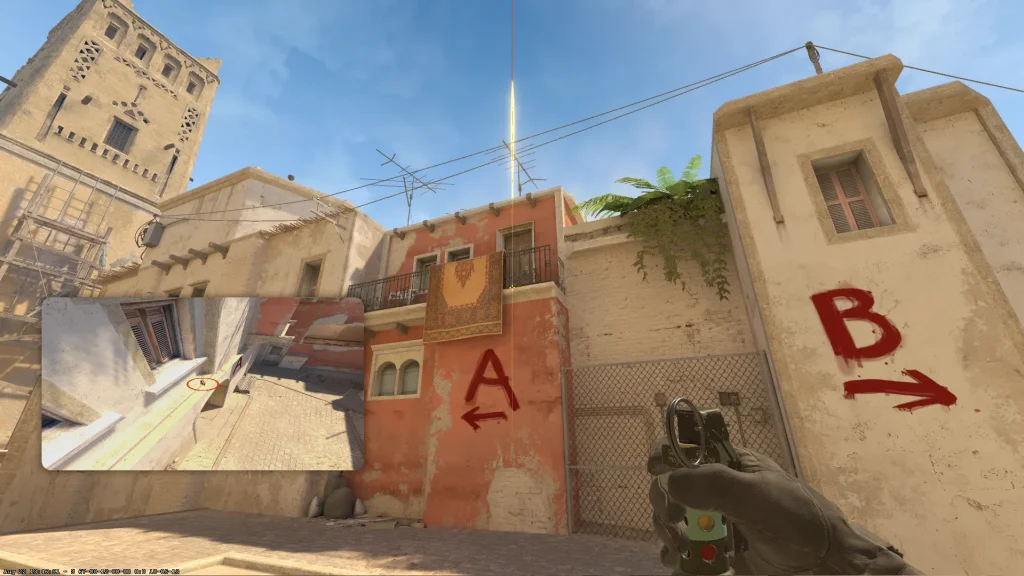
Maps such as Dust II, Mirage, and Inferno remain staples of competitive play. Each map offers multiple pathways, choke points, and strategic angles. Players memorize sightlines and grenade lineups to control territory.
Map familiarity creates tactical nuance. Teams develop set plays to secure bomb sites. Rotations depend on information gathered through sound cues and teammate communication.
Spatial Strategy and Communication
Counter-Strike: Global Offensive rewards clear communication. Teammates relay enemy positions quickly. A single callout can shift defensive positioning.
Spatial awareness plays a central role. Players must track potential flanks, manage crossfire setups, and maintain site control. Tactical coordination elevates gameplay beyond individual skill.
Competitive Scene and Esports Dominance
Major Tournaments and Global Recognition
GO Major tournament arena. Counter-Strike: Global Offensive anchors one of the largest esports ecosystems in the world. International tournaments, known as Majors, feature top teams competing for significant prize pools.
The professional scene draws millions of viewers. Analysts dissect strategies, while fans celebrate clutch plays and tactical brilliance. Competitive integrity remains central to the game’s identity.
High Skill Ceiling and Player Development
Mastery in Counter-Strike: Global Offensive demands discipline. Players practice aim routines, learn recoil control, and study map positioning. Small mechanical improvements translate into measurable advantages.
The skill ceiling ensures long-term engagement. Even experienced players refine techniques continuously. This progression fosters sustained interest across years.
Community, Customization, and Cultural Impact
Skins and Player Identity
GO weapon skins inventory. Counter-Strike: Global Offensive introduced weapon skins that allow cosmetic customization. These skins do not affect gameplay balance but provide aesthetic variation.
The skin economy created a marketplace that expanded community interaction. Players trade, collect, and showcase rare items, adding a social layer beyond competition.
Streaming and Content Creation
Streaming platforms amplified Counter-Strike: Global Offensive’s reach. Professional players and content creators broadcast matches to global audiences. Viewers learn strategies while enjoying high-level gameplay.
The accessibility of spectating competitive matches encourages community growth. Aspiring players watch professionals to improve their own performance.
Continuous Updates and Competitive Integrity
Balance Adjustments and Fair Play
Developers regularly adjust weapon statistics and address exploits. These updates maintain fairness without disrupting core mechanics. Counter-Strike: Global Offensive thrives because balance remains a priority.
Anti-cheat systems and community reporting mechanisms protect competitive integrity. Players trust the environment because skill determines outcomes.
Longevity Through Stability
While many games lose relevance after a few years, Counter-Strike: Global Offensive sustained popularity for over a decade. Stability plays a major role. Familiar maps, predictable mechanics, and consistent objectives build confidence.
Players invest time mastering a system that remains recognizable. That continuity supports both casual and professional communities.
Why Counter-Strike: Global Offensive Remains Timeless
Counter-Strike: Global Offensive combines tactical depth, mechanical precision, and strategic economy management in a cohesive structure. Every match delivers tension through objective-based rounds. The balance between offense and defense maintains fairness.
Its esports ecosystem reinforces global recognition. Professional tournaments highlight the highest level of competition. Casual matchmaking offers accessible entry points.
The interplay between map design, economic planning, and teamwork ensures dynamic gameplay. No two matches feel identical, yet the structure remains consistent.
Conclusion
Counter-Strike: Global Offensive stands as a benchmark for competitive first-person shooters. Its round-based structure, economic system, and iconic maps create a tactical environment that rewards skill and coordination. A thriving esports scene and dedicated community strengthen its legacy.
Counter-Strike: Global Offensive continues to influence modern multiplayer design through stability and competitive integrity. Its lasting impact confirms its status as one of the most important tactical shooters in gaming history.
