


Bigtargetmedia.com – Search engine optimization does not rely only on keywords and content. Behind every high-ranking website lies a solid technical foundation that allows search engines to crawl, index, and understand the site efficiently. Without that foundation, even excellent content may struggle to appear in search results.
This is why professionals constantly rely on the best technical SEO tools to analyze website structure and detect hidden problems. These tools scan websites, identify errors, and reveal improvements that strengthen search engine visibility.
Imagine a website as a large library. The books represent your content, while the hallways and catalog system represent the technical structure. If the hallways remain blocked or the catalog system fails, readers cannot find the books—even if the books contain valuable information. Technical SEO tools function like librarians who organize the library and ensure visitors reach the right sections quickly.
When website owners and SEO professionals use the best technical SEO tools, they gain clear insight into how search engines interact with their websites. These tools highlight crawl issues, broken links, slow page performance, and structural problems that affect rankings.
This guide explains the most effective technical SEO tools and how they help optimize website infrastructure for long-term organic visibility.
Why Technical SEO Tools Matter for Search Engine Performance
Technical SEO forms the infrastructure that supports every SEO strategy. Search engines must crawl and index a website before ranking its pages. If technical barriers block this process, the content cannot compete in search results.
How Search Engines Crawl and Index Websites
Search engines use automated programs called crawlers to explore the internet. These crawlers visit web pages, analyze their content, and store information inside search indexes.
If a website contains broken links, slow loading speeds, or blocked resources, crawlers may struggle to access its pages. When this happens, search engines cannot evaluate the content properly.
Technical SEO tools analyze websites in the same way crawlers do. They simulate crawling behavior and report issues that may prevent search engines from understanding the site.
By using the best technical SEO tools, website owners can identify these problems early and resolve them before they harm rankings.
Detecting Hidden Website Problems
Many technical SEO issues remain invisible during normal browsing. A page may appear functional to users while containing hidden errors that affect search performance.
Examples include duplicate metadata, incorrect canonical tags, redirect loops, and indexing restrictions.
Technical SEO tools scan entire websites and reveal these hidden issues. With this information, SEO professionals can improve site structure and ensure that search engines access every important page.
Screaming Frog SEO Spider: Comprehensive Technical Site Auditing
Crawling Websites Like a Search Engine
Screaming Frog SEO Spider remains one of the most respected auditing tools in the SEO industry. The software scans websites in the same way search engine crawlers analyze pages.
After entering a website URL, the tool crawls the entire site and collects detailed information about its structure. The software identifies broken links, duplicate titles, missing meta descriptions, and redirect chains.
For example, imagine a website containing several pages that accidentally share identical title tags. Search engines may struggle to determine which page deserves ranking priority. Screaming Frog quickly highlights these duplicates, allowing website owners to correct them.
The free version allows crawling up to 500 URLs, which works well for smaller websites and blogs.
Because it replicates the behavior of search engine crawlers, Screaming Frog consistently ranks among the best technical SEO tools available today.
Diagnosing Structural SEO Problems
Beyond identifying metadata issues, Screaming Frog also reveals deeper structural problems within a website.
The tool analyzes internal linking structures and highlights pages that lack incoming links. Pages without internal links often struggle to receive search visibility because crawlers rarely discover them.
By improving internal linking based on these insights, website owners can strengthen site architecture and improve crawl efficiency.
Google Search Console: Direct Technical Insights From Google
Understanding Index Coverage and Crawl Errors

Google Search Console provides direct feedback from Google’s search systems. Unlike third-party tools, the data inside this platform comes directly from Google’s crawling and indexing processes.
Website owners can monitor indexing status, crawl errors, and page performance through a simple dashboard.
For example, if Google cannot index a page because of a robots.txt restriction or server error, Search Console reports the issue. This information helps website owners correct technical barriers quickly.
The platform also reveals which pages receive impressions in search results. These insights help SEO professionals understand which pages Google considers relevant.
Because it provides authoritative data directly from the search engine itself, many experts consider Search Console one of the best technical SEO tools for monitoring website health.
Improving Site Visibility With Technical Reports
Search Console includes several technical reports that guide optimization efforts.
The indexing report identifies pages that Google successfully indexed and pages that remain excluded. Website owners can analyze these exclusions and determine whether they represent errors or intentional decisions.
Search Console also provides Core Web Vitals reports that evaluate page speed and user experience signals.
By reviewing these reports regularly, website owners maintain a healthy website structure that supports long-term SEO performance.
Sitebulb: Visualizing Technical SEO Issues
Understanding Website Architecture Through Visualization
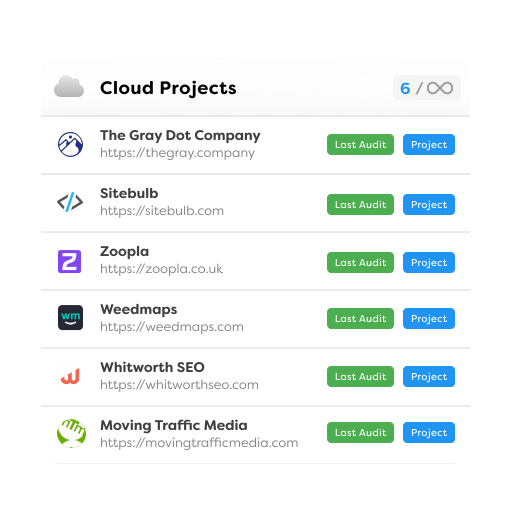
Sitebulb focuses on making technical SEO data easier to understand. The software transforms complex crawling data into visual reports and charts.
Instead of presenting long tables of technical data, Sitebulb visualizes site structure, link relationships, and crawl depth. These visualizations help SEO professionals identify structural weaknesses quickly.
For example, the tool may reveal that important pages sit several clicks away from the homepage. Pages buried deep within site architecture often receive less crawling attention from search engines.
By reorganizing internal links and navigation menus, website owners can improve crawl accessibility.
Prioritizing Technical SEO Fixes
Technical SEO audits often generate dozens or even hundreds of issues. Sitebulb helps prioritize these problems based on their potential impact.
The tool categorizes issues by severity, allowing website owners to focus on critical problems first.
This structured approach prevents technical audits from becoming overwhelming. Instead of addressing issues randomly, SEO professionals follow a clear optimization path.
GTmetrix: Improving Website Speed and Performance
Measuring Page Load Performance
Website speed plays an important role in technical SEO. Slow websites frustrate users and reduce engagement, which ultimately affects rankings.
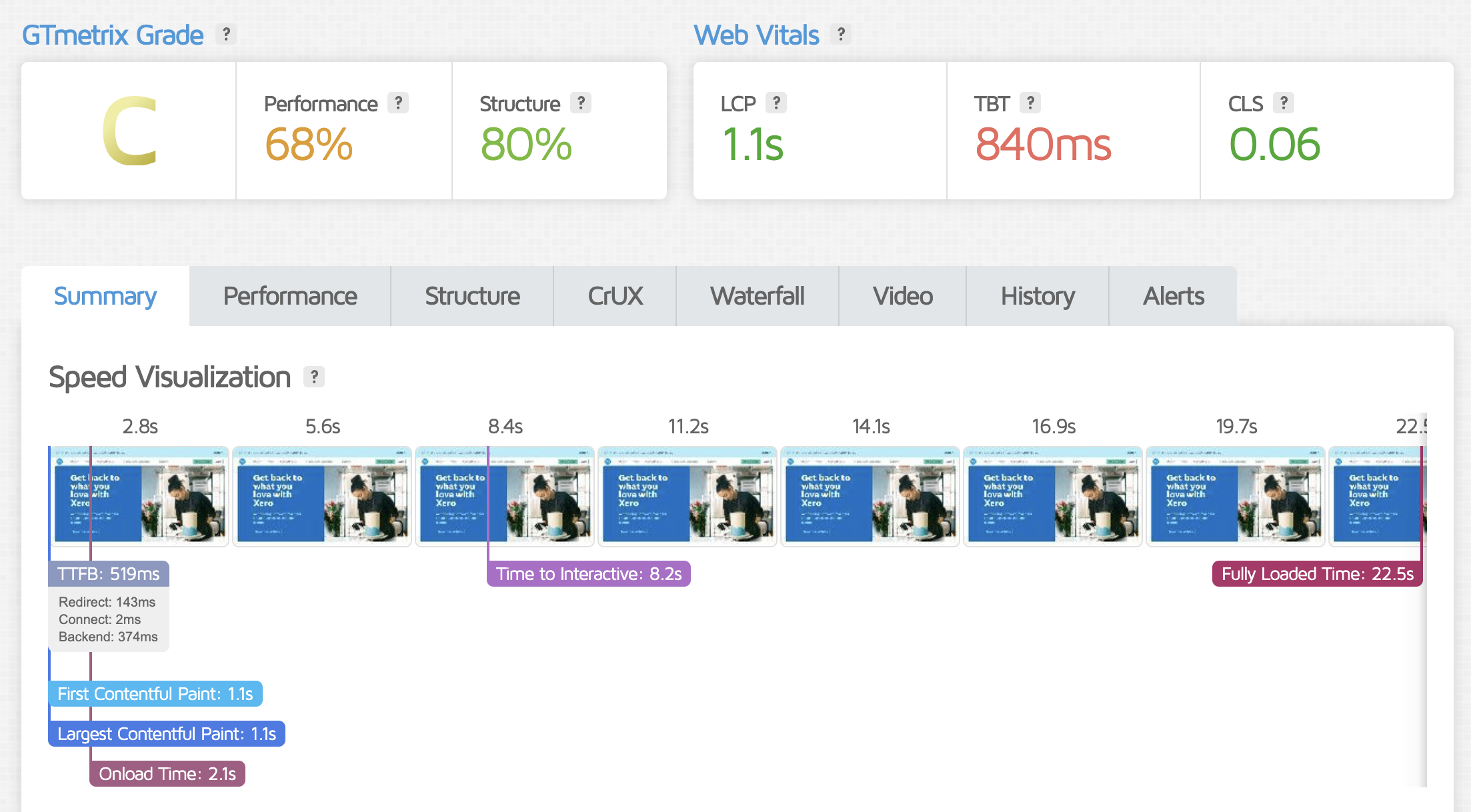
GTmetrix analyzes page performance and identifies elements that slow down loading times.
After scanning a page, the tool generates a performance report showing page load time, total page size, and the number of requests required to load the page.
For example, large image files often increase page load times. GTmetrix highlights these images and recommends compression techniques.
By optimizing these elements, website owners improve both user experience and search engine performance.
Understanding Performance Optimization Opportunities
The platform also provides detailed waterfall charts that illustrate how each resource loads within the page.
These charts help developers identify scripts, images, or third-party resources that delay rendering.
By addressing these issues systematically, websites achieve faster loading speeds and improved technical SEO performance.
Ahrefs Site Audit: Advanced Technical SEO Analysis
Comprehensive Crawling and Issue Detection
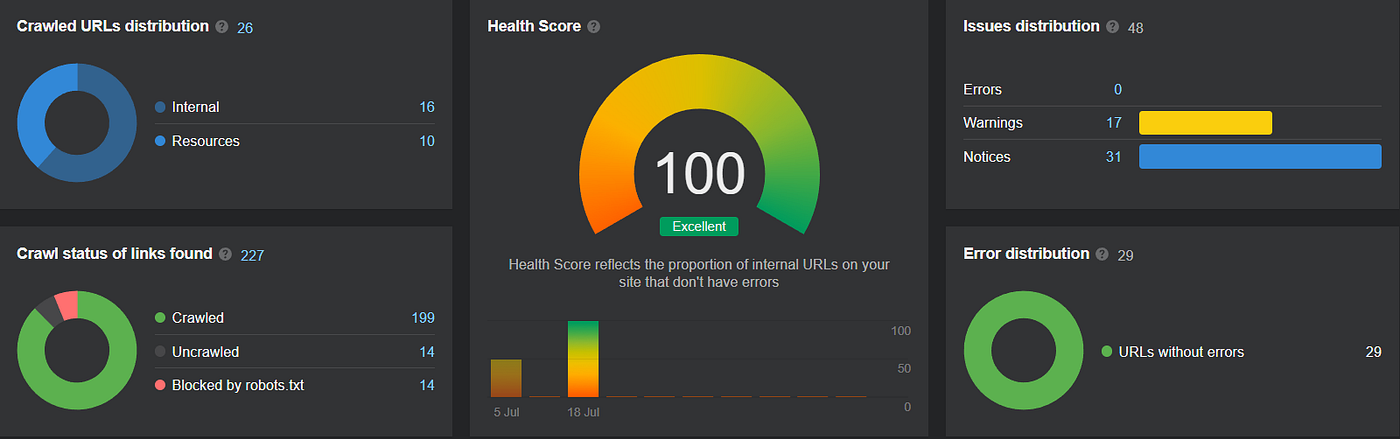
Ahrefs provides an advanced site audit system capable of scanning large websites with thousands of pages.
The tool analyzes hundreds of technical SEO factors, including broken links, duplicate content, missing metadata, and redirect errors.
After completing a crawl, Ahrefs generates a health score that summarizesthe overall site condition. This score helps SEO professionals track improvements over time.
The platform also explains each issue clearly and provides recommendations for fixing it.
Monitoring Technical SEO Progress
Ahrefs allows users to schedule regular site audits. Each audit generates a new report that compares current site health with previous scans.
This feature helps SEO professionals measure progress after implementing technical improvements.
Because of its depth and accuracy, Ahrefs remains widely recognized as one of the best technical SEO tools for large websites and professional SEO teams.
Building a Complete Technical SEO Workflow
Technical SEO works best when several tools operate together within a structured workflow.
A typical process may begin with a full website crawl using Screaming Frog or Sitebulb. These tools reveal structural issues, duplicate metadata, and broken links.
Next, website owners review indexing reports within Google Search Console to confirm that important pages appear in search results.
Then, performance tools such as GTmetrix help optimize page speed and improve loading efficiency.
Advanced platforms like Ahrefs Site Audit provide deeper analysis for large websites and ongoing monitoring.
By combining these tools, SEO professionals create a comprehensive technical optimization system.
If you want to strengthen your keyword strategy alongside technical optimization, you can also explore this related guide:
Read also: https://bigtargetmedia.com/free-keyword-research-tools-for-seo-beginners/
That article explains how keyword research tools complement technical SEO by helping websites target valuable search queries.
Conclusion
Search engines rely on technical signals to crawl, index, and evaluate websites. Without strong technical foundations, even high-quality content may struggle to achieve visibility in search results.
The best technical SEO tools help website owners detect crawl errors, analyze site structure, improve page speed, and monitor indexing performance.
Tools such as Screaming Frog, Google Search Console, Sitebulb, GTmetrix, and Ahrefs Site Audit provide valuable insights into how search engines interact with websites.
When used consistently, these tools allow SEO professionals to maintain healthy site architecture, improve user experience, and strengthen search visibility.
Ultimately, mastering the best technical SEO tools enables websites to build a solid technical foundation that supports long-term SEO growth and sustainable organic traffic.
