


Bigtargetmedia.com – Publishing a great article does not automatically guarantee visibility in search results. Many website owners create valuable content yet wait months before seeing meaningful rankings. Understanding how to rank articles faster on Google requires a strategic approach that combines smart keyword targeting, optimized structure, search intent alignment, and strong internal connections.
Think of Google as a massive library where millions of new pages appear every day. When you publish an article, the search engine must quickly understand what the page discusses and how valuable it is compared with other pages on the same topic. If your article communicates clarity, relevance, and authority, Google can index and rank it more quickly.
Ranking speed depends on multiple signals: content quality, topical authority, technical SEO, and site structure. When these signals align, search engines recognize the page’s value earlier and begin positioning it higher in search results.
This guide explains the most effective strategies that help content creators rank articles faster on Google by improving visibility, authority, and search relevance.
Choose Keywords With Realistic Competition
The speed of ranking often depends on the level of keyword competition.
Target Long-Tail Keywords With Clear Intent

Many beginners attempt to rank for extremely competitive keywords immediately. These keywords already attract large websites with strong authority. As a result, new content struggles to appear on the first pages.
Long-tail keywords offer a smarter path.
These keywords contain more specific phrases that reflect clear user intent. For example, a broad keyword like “SEO tips” attracts enormous competition. However, a phrase such as “how to rank articles faster on Google” targets a narrower audience with a specific question.
Search engines often rank such pages more quickly because fewer articles compete directly for the same phrase.
Writers who select realistic keywords create stronger opportunities to rank articles faster on Google.
Analyze Search Results Before Writing

Before writing an article, study the current search results for the target keyword.
Look closely at the top-ranking pages. Notice their structure, content depth, and the questions they answer.
This process reveals what Google already considers relevant. When you understand how competitors structure their articles, you can create a clearer and more comprehensive version.
Your goal should not involve copying existing content. Instead, focus on improving clarity, depth, and usefulness.
Search engines reward content that provides stronger answers to the same query.
Write Content That Matches Search Intent
Search intent strongly influences how quickly an article ranks.
Understand What the Searcher Wants

Every search query represents a specific goal. Some users want explanations, while others compare products or look for tutorials.
If someone searches “how to rank articles faster on Google,” they expect practical guidance that explains strategies and methods.
When an article provides clear explanations that match this expectation, search engines recognize the relevance quickly.
Content that fully satisfies user intent often climbs search results faster because readers stay longer and engage more deeply.
Provide Clear and Practical Solutions
Articles that deliver real solutions perform better than generic explanations.
When explaining SEO techniques, include examples, scenarios, and actionable insights. Readers should feel that they learned something immediately useful.
Practical information improves engagement metrics such as time on page and scroll depth.
Search engines interpret these signals as evidence that the article helps readers.
These signals support faster ranking performance.
Optimize Article Structure for SEO
Search engines interpret page structure to understand content topics.
Use Clear Headings and Logical Sections
A well-structured article communicates information efficiently.
Headings divide the article into clear sections that explain different aspects of the topic. This structure improves readability while helping search engines understand the relationships between ideas.
For example, an article about ranking speed may include sections about keyword research, content optimization, internal linking, and technical performance.
Clear structure ensures that readers and search engines navigate the article easily.
When the topic remains easy to interpret, Google often ranks the page more quickly.
Place the Main Keyword Strategically

Keyword placement signals relevance.
Including the primary keyword in the introduction, headings, and conclusion helps search engines understand the article’s topic immediately.
However, natural writing remains essential. Overusing the keyword creates awkward language and weakens readability.
Effective SEO writing balances optimization with clarity.
When the keyword appears naturally within meaningful explanations, the article communicates relevance without sacrificing quality.
Strengthen Internal Linking for Faster Indexing
Internal linking plays a major role in ranking speed.
Connect New Articles With Existing Content
When you link new articles from existing pages, search engines find them faster and understand their importance.
Internal links also help distribute authority across the website. Pages that receive strong internal connections often rank faster because search engines interpret them as important resources.
For example, a website discussing SEO strategies may link an article about ranking speed to guides about keyword research and traffic growth.
This interconnected structure strengthens topical relevance.
Build Topic Clusters Around Core Topics
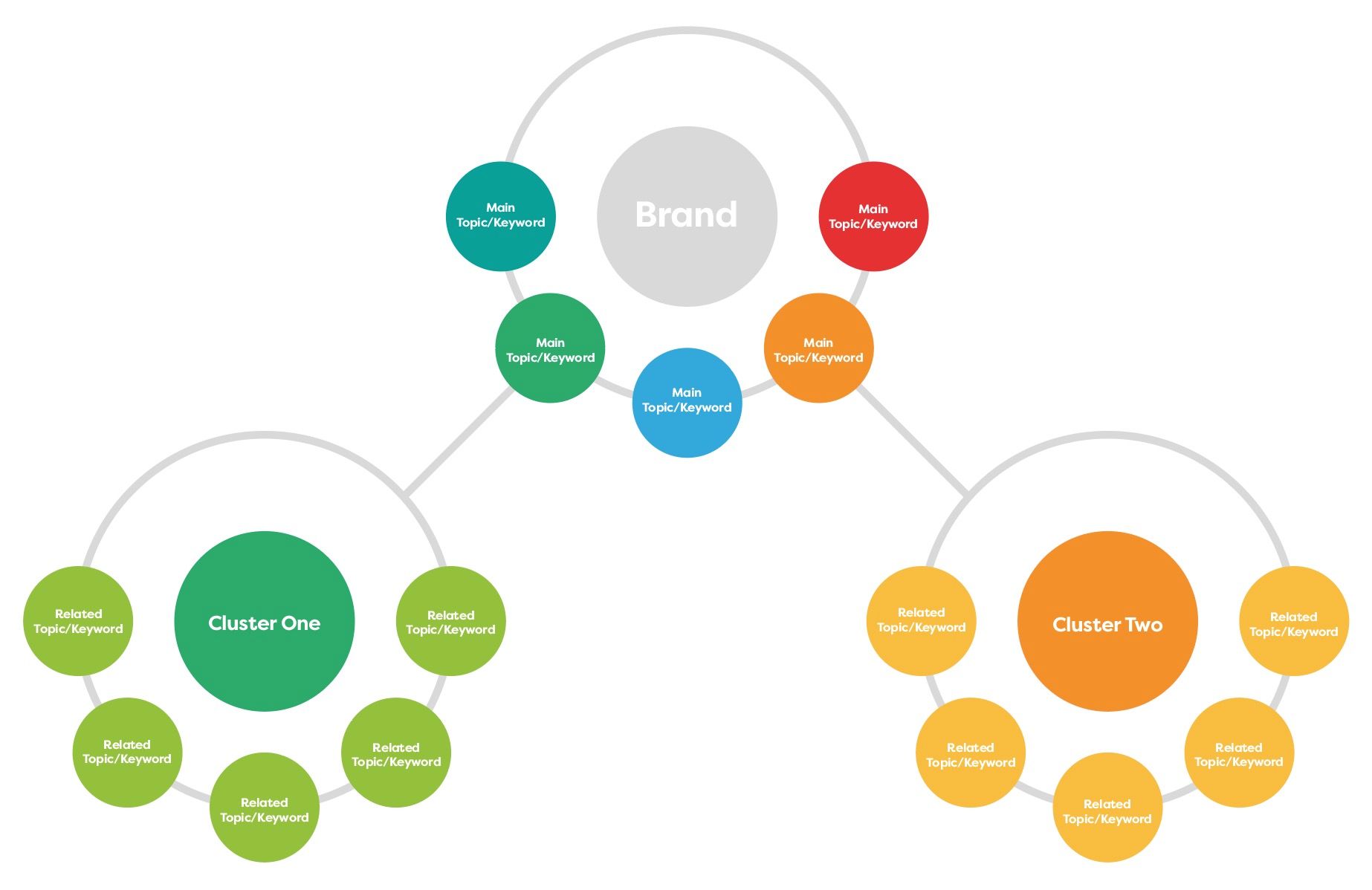
Topic clusters organize content around a central subject.
A pillar article introduces the main topic broadly, while supporting articles explore detailed subtopics.
Search engines interpret this structure as expertise within the subject area.
When your website demonstrates strong topical authority, new articles within the same topic often rank faster.
Authority signals help search engines trust your content earlier.
Improve Technical SEO Signals
Technical performance influences how quickly search engines evaluate your content.
Ensure Fast Page Loading Speed

When pages load quickly, visitors stay longer and interact with content more comfortably.
Search engines consider these signals when evaluating page quality.
Improving loading speed through image compression, optimized hosting, and efficient coding creates a smoother browsing experience.
Fast websites often experience faster indexing and ranking.
Submit Pages Through Search Console

Google Search Console provides tools that help search engines discover new content quickly.
After publishing an article, submitting the page for indexing signals Google to review it sooner.
This action accelerates the discovery process.
While indexing does not guarantee immediate rankings, faster discovery increases the chances that Google evaluates the page earlier.
Promote New Articles After Publishing
Promotion sends additional signals that support faster rankings.
Share Content Across Multiple Platforms
When people discover and interact with your content shortly after publication, search engines notice increased activity around the page.
Sharing new articles through social media, newsletters, or communities introduces them to readers quickly.
These interactions often lead to backlinks, mentions, and additional traffic.
Early engagement helps search engines identify the page as relevant and active.
Encourage Early Engagement
Reader engagement sends powerful signals to search engines.
When visitors read the article fully, explore additional pages, or share the content, search engines interpret those behaviors as positive feedback.
Encouraging readers to explore related articles or leave comments increases engagement naturally.
Active engagement contributes to faster ranking improvements.
Read Also
If your goal involves ranking articles quickly, increasing your website’s traffic also plays an important role.
Read this related guide:
10 Proven Ways to Increase Website Traffic
https://bigtargetmedia.com/10-proven-ways-to-increase-website-traffic/
This article explains proven strategies that help websites attract more visitors through SEO, content strategy, and audience engagement.
Conclusion
Learning how to rank articles faster on Google requires combining several key strategies. Choosing realistic keywords, matching search intent, optimizing article structure, building internal links, improving technical performance, and promoting new content all contribute to faster ranking results.
When these elements work together, search engines recognize the article’s value quickly and position it higher in search results.
Writers who apply these principles consistently create content that not only ranks faster but also builds long-term visibility and authority in search engines.
