


Bigtargetmedia.com – Every website owner wants visibility on search engines, but only well-structured content reaches the top results. Learning how to write SEO articles that rank on Google requires more than inserting keywords into paragraphs. Successful SEO writing combines search intent, content structure, technical optimization, and reader experience.
Think of Google as a librarian organizing billions of pages. The librarian’s job involves finding the most helpful content for each search query. If your article clearly answers the user’s question and organizes information logically, the search engine understands its value.
Many beginners focus only on keyword density, yet modern SEO prioritizes helpful content and clarity. When an article provides accurate answers and a structured reading experience, search engines reward it with higher rankings.
This guide explains how professional content creators write SEO articles that rank on Google while keeping readers engaged and satisfied.
Understanding Search Intent Before Writing
Writing SEO content always begins with understanding what the searcher actually wants.
Identify the Real Purpose Behind a Search Query

Search intent describes the goal behind a keyword. When someone searches for information online, they expect a specific type of answer.
For example, a person searching “how to start a blog” wants a clear guide explaining the steps. Another user searching “best blogging platforms” expects comparisons and recommendations.
When you align your content with the exact intent of the searcher, Google interprets the article as relevant.
Professional writers often begin by analyzing the first page of search results. The existing articles reveal what type of information users expect.
Matching this intent becomes the first step when learning to write SEO articles that rank on Google.
Analyze Competing Articles for Structure and Depth

Top-ranking pages provide valuable insights into what search engines consider helpful.
When analyzing competitors, pay attention to how they organize information. Notice the length of their articles, the topics they include, and the way they answer questions.
This research does not mean copying content. Instead, it helps identify gaps where your article can provide clearer explanations or more useful examples.
By delivering deeper insights than competing pages, you increase your chances of creating SEO content that ranks successfully.
Conducting Effective Keyword Research
Keywords help search engines understand the topic of your article.
Choose Keywords With Clear Search Demand

Keyword research tools reveal phrases people frequently search for. Selecting the right keyword ensures your article targets real user demand.
Long-tail keywords often perform better for new websites because competition remains lower.
For example, instead of targeting a broad phrase like “SEO,” a writer might target “how to write SEO articles that rank on Google.”
Longer phrases usually reflect specific questions that readers want answered.
Choosing keywords strategically increases the likelihood that your article appears in search results.
Use Supporting Keywords Naturally
Supporting keywords help search engines understand related concepts within your article.
When discussing SEO writing, related phrases might include:
- keyword research
- search intent
- on-page SEO
- content structure
Integrating these terms naturally strengthens topical relevance. Readers also benefit because the article explains the subject comprehensively.
This method improves clarity while helping writers write SEO articles that rank on Google effectively.
Structuring Articles for Search Engines and Readers
Content structure influences both readability and search engine interpretation.
Use Clear Headings and Logical Sections
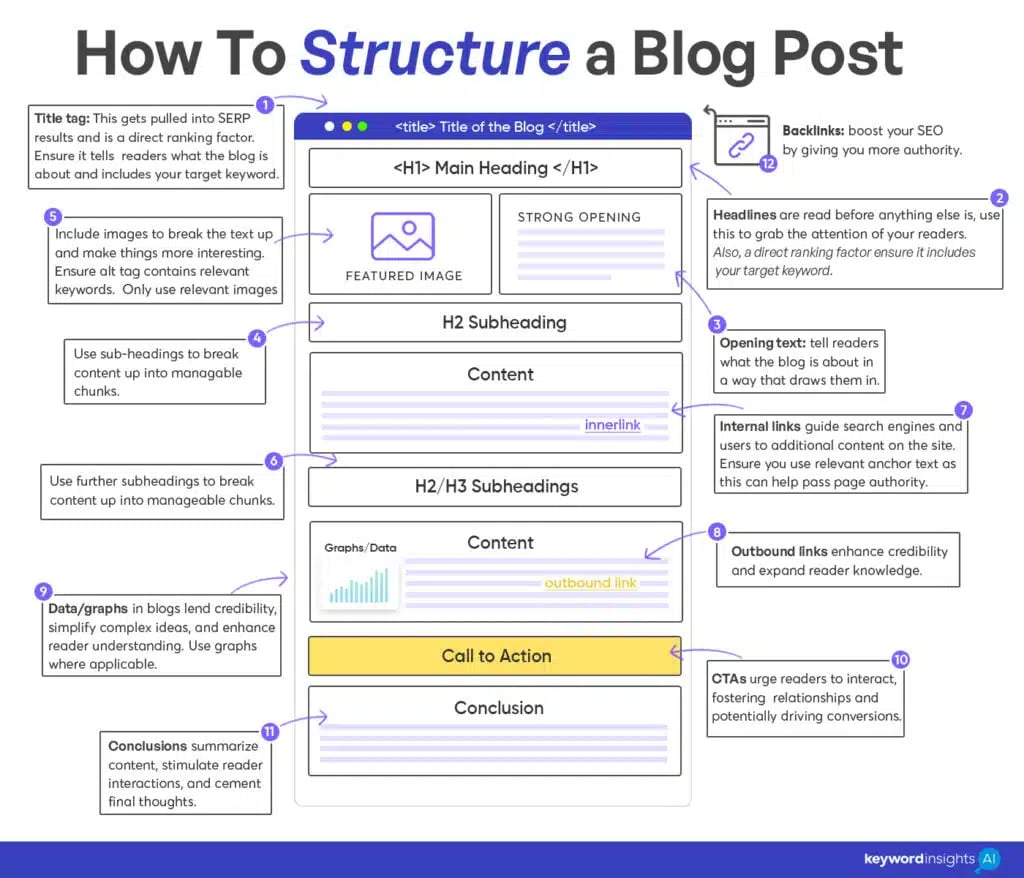
Search engines scan content structure to understand topics. Headings guide both readers and algorithms through the article.
A well-structured article typically begins with a strong introduction followed by organized sections that explore subtopics.
Each section builds upon the previous one, gradually developing the reader’s understanding.
Clear structure also improves readability. Visitors stay longer on pages that present information logically.
This combination of clarity and engagement helps writers write SEO articles that rank on Google.
Create Engaging Introductions

The introduction determines whether readers continue reading.
An effective introduction quickly explains what the article will teach. It establishes relevance while maintaining curiosity.
For SEO content, the introduction should also include the main keyword naturally. This placement signals the topic to search engines early.
When readers understand the value of the article immediately, engagement increases.
Higher engagement often leads to better rankings.
Writing Content That Delivers Real Value
Search engines prioritize helpful and informative content.
Provide Clear Explanations and Practical Examples
SEO writing succeeds when the article answers the reader’s question completely.
Detailed explanations build credibility and trust. Examples help readers apply the information immediately.
For instance, explaining keyword research becomes more powerful when the article demonstrates how to evaluate search results or choose long-tail keywords.
Practical guidance transforms theoretical information into actionable knowledge.
This level of clarity increases the likelihood that your article satisfies search intent.
Maintain Readability and Natural Flow

Even well-researched articles struggle to rank if they feel difficult to read.
Readers prefer simple language, short sentences, and logical progression.
Avoid overly complex vocabulary when simpler expressions communicate the idea clearly.
Natural flow keeps readers engaged from beginning to end.
Search engines interpret longer reading sessions as signals of content quality.
Maintaining readability, therefore,e supports efforts to write SEO articles that rank on Google.
Optimizing Articles for On-Page SEO
After writing the article, optimization strengthens its visibility.
Optimize Titles and Meta Descriptions
The title appears in search results and influences whether users click your article.
A strong SEO title includes the main keyword while remaining clear and engaging.
Meta descriptions summarize the article. Although they do not directly influence rankings, they affect click-through rates.
Higher click-through rates signal relevance to search engines.
Effective titles and descriptions, therefore,e improve visibility.
Add Internal Links to Related Content
Internal links guide readers toward related articles on your website.
For example, an article about SEO writing might link to guides about keyword research, content marketing, or website monetization.
These connections strengthen topical authority.
Search engines recognize that your site covers a subject thoroughly when pages link logically to one another.
Internal linking also encourages visitors to explore additional pages.
Both benefits improve overall SEO performance.
Updating and Improving Content Over Time
SEO content rarely remains static. Continuous improvement keeps articles competitive.
Refresh Outdated Information

As algorithms evolve and industries change, older articles may lose relevance.
Updating examples, statistics, and explanations keeps content valuable for readers.
Many publishers discover that refreshing existing posts improves rankings faster than publishing new articles.
Monitor Performance Using Analytics

Analytics tools reveal how readers interact with your content.
Metrics such as page views, time on page, and search queries provide insight into performance.
When an article attracts consistent traffic, expanding the topic with additional sections can strengthen rankings.
Monitoring performance allows writers to refine strategies continuously.
This process supports long-term success when attempting to write SEO articles that rank on Google.
Read Also
Once your articles rank well, the next step involves turning that traffic into revenue.
Read this related guide:
Best Ways to Monetize a Blog in 2026
https://bigtargetmedia.com/best-ways-to-monetize-a-blog-in-2026/
This article explains how bloggers convert search traffic into income using advertising, affiliate marketing, digital products, and partnerships.
Conclusion
Learning how to write SEO articles that rank on Google requires combining search intent research, strategic keyword use, strong content structure, and continuous optimization.
Writers who focus on solving real problems, organizing information clearly, and updating content regularly create articles that both readers and search engines value.
When these elements work together, SEO writing becomes more than a technique. It becomes a system that consistently produces content capable of reaching the top search results.
