

Bigtargetmedia.com – Learning the right SEO tips for new websites in 2026 is the difference between a site that stays invisible and one that steadily grows traffic and revenue. Many new website owners publish content consistently but fail to see results because they misunderstand how search engines evaluate new sites.
A new website operates like a new business with no reputation. Search engines do not immediately trust it. That trust must be built through consistency, structure, and user-focused content. When you understand this process, you can accelerate growth rather than wait passively.
Understanding How Google Treats New Websites
Before applying any strategy, you need to understand the environment you are entering. A new website does not compete on equal ground with established domains.
The Sandbox Effect and Trust Building

Search engines often place new websites in a “testing phase.” During this period, your content may not rank well even if it is high quality. This does not mean your strategy is wrong. It means your website is still building credibility.
Trust grows when your site shows consistent publishing, clear structure, and positive user engagement. Over time, rankings begin to improve.
Why Patience and Strategy Must Work Together
Many beginners quit too early because they expect fast results. SEO is not immediate. It behaves like compounding interest. The more consistent your efforts, the faster your growth accelerates after the initial phase.
Building a Strong Keyword Foundation From Day One
Keywords define your visibility. Without proper keyword selection, even excellent content will not reach the right audience.
Targeting Low Competition Keywords First

New websites should avoid highly competitive keywords. Instead, focus on long-tail keywords that have clear intent and lower competition.
For example, instead of targeting broad terms, you target more specific phrases. These keywords attract users who already know what they want, increasing your chances of ranking.
Aligning Keywords With User Intent
Keyword selection is not just about search volume. It is about understanding what the user wants.
Some users search for information, while others search for solutions. Content that matches intent performs better because it satisfies the user’s goal.
This principle is essential when applying SEO tips to new websites in 2026, as it ensures your content reaches the right audience.
Creating Content That Search Engines and Users Trust
Content is the core of SEO, but not all content performs equally. Structure and clarity determine how well your content ranks.
Writing Content That Solves Real Problems

Search engines prioritize content that provides clear answers. When your article directly addresses a problem, users stay longer and engage more.
For example, instead of writing general advice, focus on specific solutions. This approach improves both user satisfaction and ranking potential.
Structuring Content for Readability and Flow
Readers prefer content that feels easy to follow. Short paragraphs, logical transitions, and clear explanations make your article more engaging.
When users stay longer, search engines interpret this as a positive signal. This signal contributes to better rankings over time.
Optimizing On-Page SEO for Maximum Impact
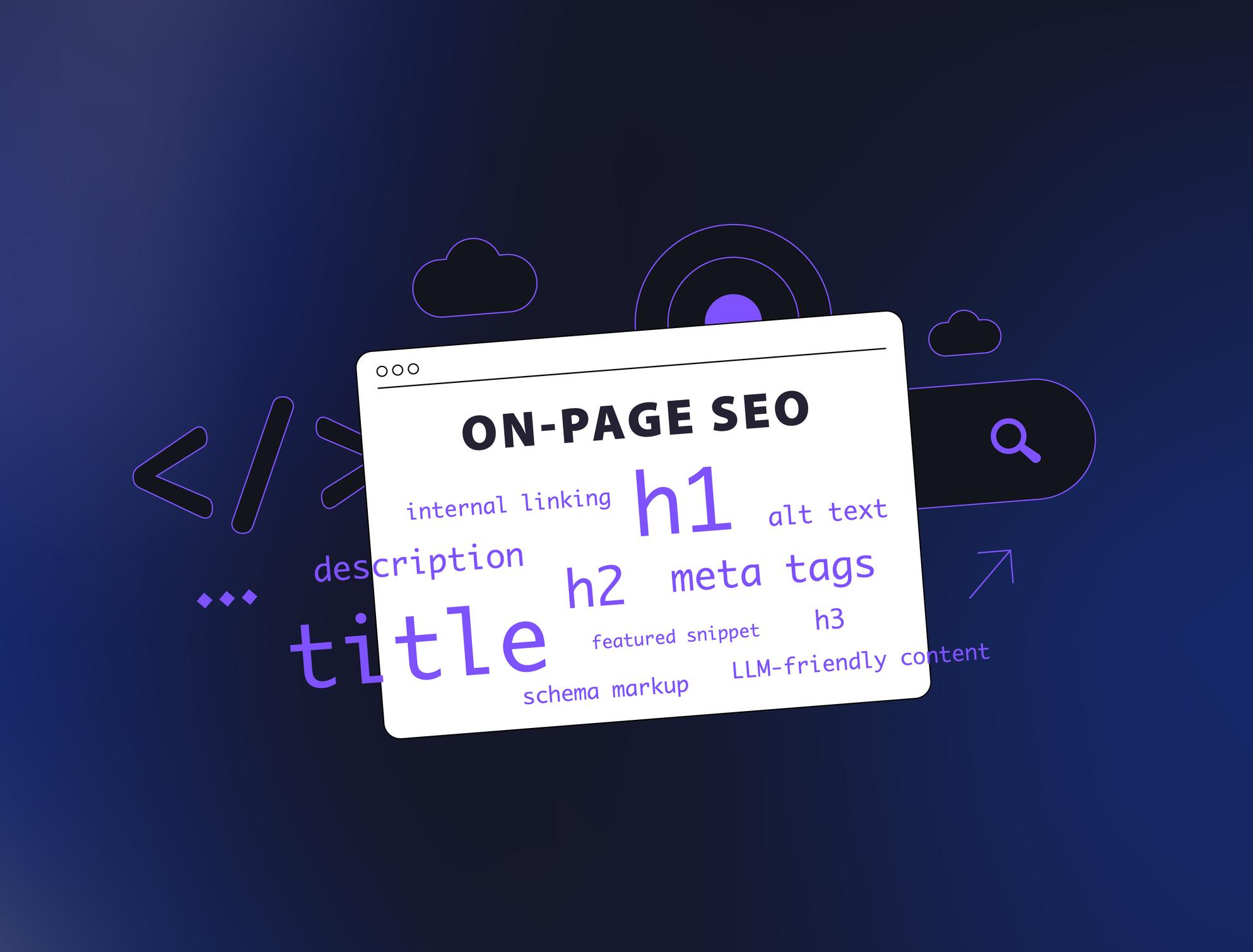
On-page SEO ensures that search engines understand your content clearly.
Using Proper Heading Structure

Headings guide both users and search engines. A clear hierarchy improves readability and helps search engines understand the topic.
Each section should build on the previous one, creating a logical flow throughout the article.
Optimizing Title, Meta, and Keywords
Your title and meta description act as your first impression in search results. They must clearly communicate value while including your main keyword naturally.
Keyword placement should feel organic. Overusing keywords reduces readability and harms SEO performance.
Increasing User Engagement to Boost Rankings
User behavior influences rankings more than most beginners realize.
Improving Time on Page and Interaction
When users stay longer on your site, search engines interpret your content as valuable. This increases your ranking potential.
You can improve engagement by:
- writing clear and engaging content
- using curiosity-driven transitions
- guiding the reader step by step
Using Internal Linking to Build Depth
Internal links connect your content. They help users explore more pages and reduce bounce rate.
This strategy also helps search engines understand your site structure, improving overall SEO performance.
Leveraging Data to Improve Your SEO Strategy
Data transforms your SEO efforts from guesswork into strategy.
Tracking Performance With Analytics
Analytics tools show which pages perform well and which need improvement. This information allows you to refine your strategy.
If a page attracts traffic, expand it. If it struggles, improve its content or targeting.
Iterating Based on Results
SEO is not a one-time action. It is a continuous process of improvement.
By analyzing data regularly, you can identify patterns and apply successful strategies to new content.
Building Long-Term SEO Growth for New Websites
SEO success depends on consistency and long-term thinking.
Publishing Consistently With a Clear Strategy
Publishing regularly increases your chances of ranking. Each article becomes an opportunity to attract traffic.
Consistency builds momentum. Over time, this momentum leads to exponential growth.
Scaling What Works
Once you identify successful content, replicate its structure and approach. This creates a repeatable system that drives continuous results.
Conclusion
Applying the right SEO tips for new websites in 2026 requires understanding how search engines evaluate new sites, choosing the right keywords, and creating content that aligns with user intent.
When you focus on structure, engagement, and consistency, your website can grow steadily even in a competitive environment.
By following these strategies, you transform your website from a new domain into a trusted resource that attracts traffic and generates long-term results.
