

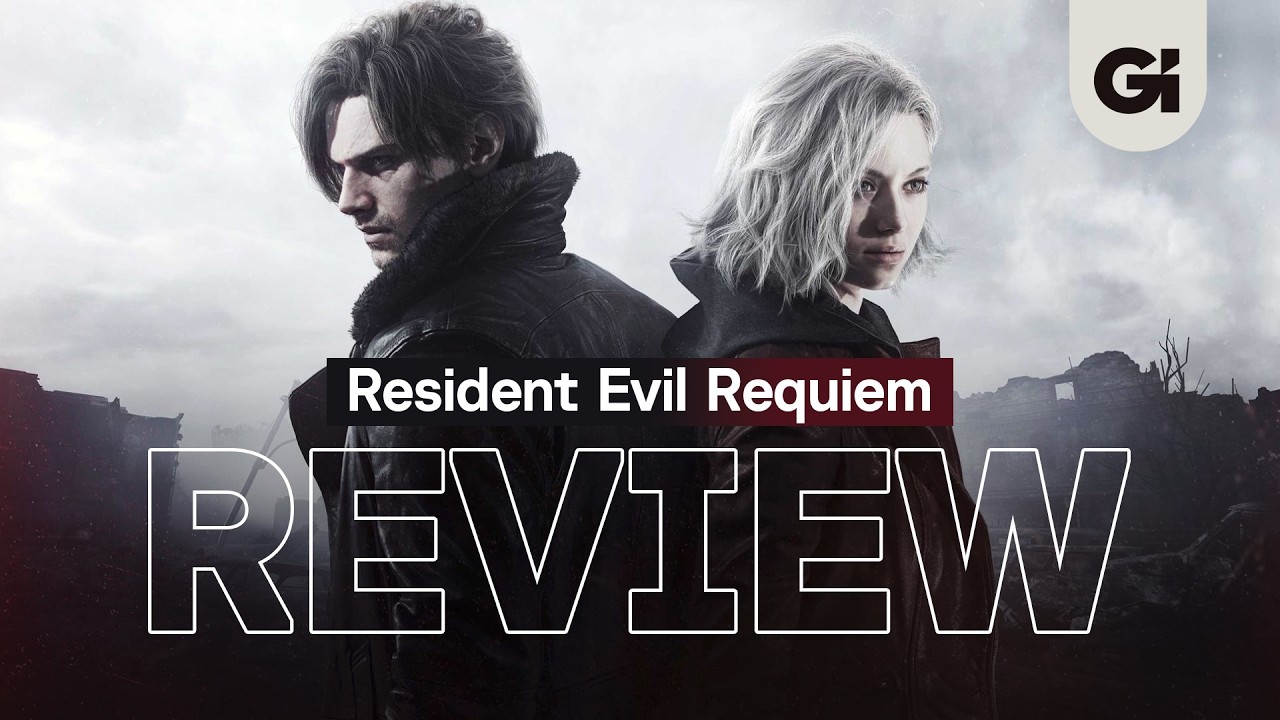
bigtargetmedia.com – Few franchises have influenced survival horror as profoundly as Resident Evil. Across decades, it has shifted between fixed-camera tension, action-heavy spectacle, and first-person psychological immersion. With each reinvention, the series has responded to technological change and evolving player expectations. Now, the discussion surrounding Resident Evil Requiem’s director on redefining the survival horror genre signals another turning point in the franchise’s long evolution.
Reinvention within an established series is rarely simple. It requires honoring legacy without repeating it, modernizing mechanics without losing identity, and deepening horror without resorting to excess. The creative direction behind Resident Evil Requiem appears positioned at that intersection. Rather than merely escalating intensity, the project suggests a recalibration of what survival horror means in a contemporary context.
The Evolution of Survival Horror in Resident Evil
The original Resident Evil titles defined early survival horror through constraint. Limited ammunition, fixed camera angles, and deliberate pacing created vulnerability. Fear emerged from scarcity and uncertainty. Over time, the series experimented with broader action elements, particularly in middle-era entries that emphasized spectacle and mobility.
More recent installments returned to intimate horror, shifting perspective to first person and intensifying environmental immersion. These transitions illustrate a pattern: Resident Evil evolves by reassessing the balance between action and dread. Resident Evil Requiem’s director on redefining the survival horror genre appears to continue this pattern, but with an emphasis on structural cohesion rather than dramatic tonal shifts.
The current direction seems less concerned with isolated mechanics and more with how those mechanics reinforce atmosphere. Lighting, sound design, and environmental interaction reportedly function not as decorative features but as integrated components of player vulnerability. This systemic focus marks a subtle yet meaningful departure from purely cinematic escalation.
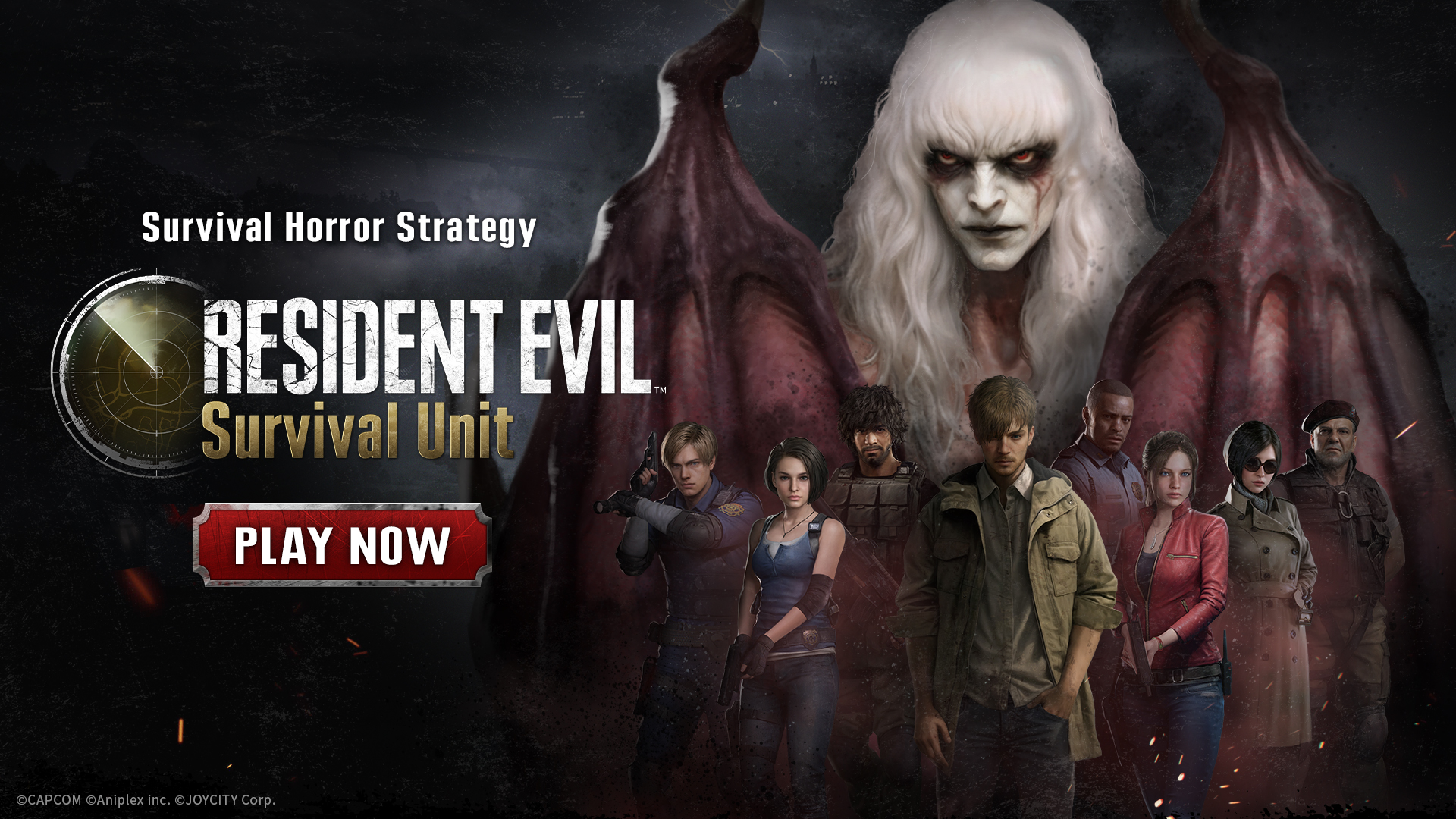
Image caption:
A dimly lit corridor scene emphasizing environmental detail in Resident Evil Requiem. The director prioritizes immersive design to sustain long-term tension.
Redefining Fear Through Environmental Systems
One of the most significant aspects of Resident Evil Requiem’s directorinn redefining the survival horror genre lies in environmental interactivity. Instead of scripted jump scares dominating the experience, tension is generated through systems that respond dynamically to player behavior.
For instance, adaptive enemy AI can modify patrol routes or react to sound cues more intelligently. Such a design increases unpredictability without overwhelming the player. Fear becomes procedural rather than theatrical. When systems govern threat behavior, repeated playthroughs retain unpredictability, enhancing replay value.
Environmental storytelling also plays a larger role. Rather than relying solely on cutscenes, the world communicates narrative fragments through architecture, object placement, and subtle visual cues. This method strengthens immersion while preserving pacing. Players discover context organically, reinforcing psychological engagement rather than interrupting it.
Psychological Depth Over Spectacle
Modern horror audiences are increasingly sensitive to repetition. Loud audio spikes and exaggerated monsters may startle, but they rarely sustain fear. The director’s commentary on Resident Evil Requiem suggests a pivot toward psychological nuance.
Isolation, ambiguity, and restrained pacing appear central to the experience. This approach recalls earlier survival horror philosophy while integrating modern technical capabilities. Lighting engines and spatial audio tools allow subtler manipulation of tension than older hardware permitted.
Importantly, redefining survival horror does not mean abandoning combat. Instead, combat encounters are framed as moments of risk calculation. Ammunition scarcity and environmental hazards force strategic decision-making. The director’s philosophy appears rooted in tension as consequence, not spectacle.
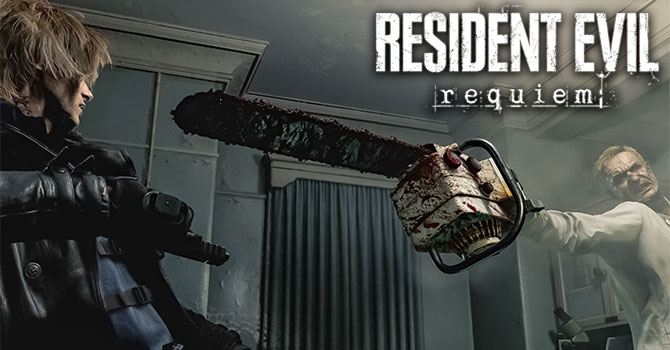
Image caption:
Gameplay still features limited resources and tactical positioning. Resident Evil Requiem reinforces classic survival mechanics within a modern framework.
Balancing Tradition and Innovation
Reinvention carries risk. Deviating too far from established mechanics can alienate long-term fans. Conversely, repeating formulas invites stagnation. Resident Evil Requiem’s director on redefining the survival horror genre appears to navigate this tension through incremental rather than radical transformation.
Core survival elements—inventory management, puzzle-solving, environmental navigation—remain foundational. However, their integration into a more fluid world design creates renewed complexity. Puzzles may intertwine with environmental hazards, while exploration areas may change dynamically over time.
This layered design philosophy enhances depth without discarding legacy principles. By reinforcing foundational mechanics instead of replacing them, the director preserves continuity while expanding experiential scope.
Benefits and Broader Implications
The implications extend beyond a single franchise. If Resident Evil Requiem successfully redefines survival horror, it may influence broader industry trends. Horror design often oscillates between action-heavy intensity and minimalist psychological restraint. A balanced hybrid approach could inspire other studios to adopt systemic tension rather than scripted spectacle.
For players, this direction promises longevity. Systems-based horror maintains replayability because outcomes vary. When fear stems from dynamic mechanics, predictability diminishes. Long-term engagement increases organically.
Moreover, the emphasis on environmental storytelling elevates narrative sophistication. Instead of relying solely on dialogue or exposition, horror unfolds spatially. This design philosophy aligns with contemporary expectations for immersive world-building.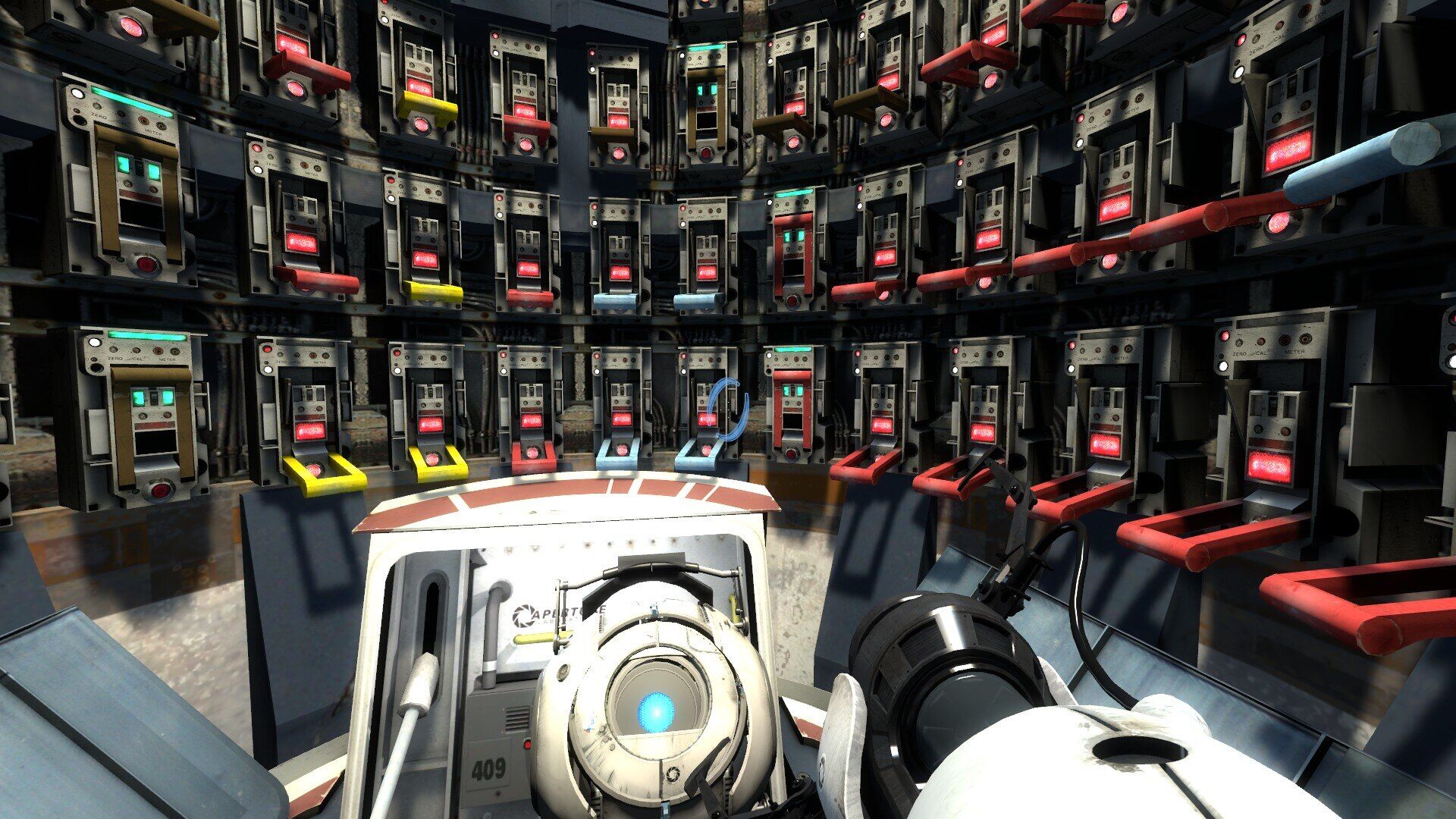
Image caption:
Environmental puzzle sequence demonstrating narrative embedded within level design. The director’s approach strengthens immersion through spatial storytelling.
Risks, Challenges, and Considerations
Redefining an established genre is inherently complex. One challenge involves maintaining clarity amid systemic depth. When multiple mechanics interact simultaneously, cognitive overload becomes possible. Survival horror relies on tension, but excessive complexity may erode accessibility.
Technical performance also presents considerations. Dynamic systems require robust optimization to prevent instability. In horror games, performance disruptions can break immersion instantly. Ensuring smooth execution is as critical as conceptual design.
Another risk lies in audience expectation. Longtime fans may interpret subtle shifts as departures from identity. Transparent communication about design philosophy becomes important in maintaining trust without overpromising.
Real Product and Service Examples
Several titles and services illustrate the broader ecosystem surrounding survival horror innovation.
Resident Evil Village serves as a recent example of balancing action and psychological horror. Its segmented structure allowed varied tones while preserving thematic cohesion.
The Resident Evil 4 Remake demonstrates how modernization can respect legacy mechanics while refining pacing and combat balance. It highlights the viability of reinterpretation rather than replacement.
Silent Hill 2 Remake represents another attempt at genre revitalization, focusing on atmosphere and psychological nuance rather than action intensity.
Advanced game engines such as RE Engine enable environmental fidelity and lighting precision that support the director’s ambitions for Resident Evil Requiem. Technological infrastructure directly influences creative possibilities
Spatial audio middleware solutions further enhance immersion by shaping directional sound cues. In survival horror, subtle auditory information often determines perceived threat levels.
Image caption:
Comparison scene highlighting advanced lighting technology in modern survival horror engines. Technical innovation supports the director’s redefinition efforts.
Use Cases and Real-World Scenarios
Consider a scenario in which a player navigates a deteriorating hospital wing. Instead of scripted enemy appearances, subtle environmental cues—flickering lights, distant metallic sounds—signal possible threats. The AI adapts to noise levels, forcing strategic movement. The result is tension sustained by system responsiveness rather than predetermined triggers.
Another scenario involves resource allocation. Limited crafting components require prioritization. Choosing to fortify a safe room may reduce available ammunition for future encounters. These layered decisions reflect the director’s philosophy of consequence-driven tension.
In multiplayer cooperative modes, systemic unpredictability could generate emergent storytelling. Teams adapt strategies dynamically, strengthening communal engagement while preserving individual vulnerability.
Frequently Asked Questions
What makes Resident Evil Requiem different from earlier entries?
The project appears to emphasize systemic integration over isolated spectacle. Environmental systems and psychological pacing play central roles in redefining survival horror.
Does redefining the genre mean removing traditional mechanics?
Core survival elements such as resource management and puzzle-solving remain intact. The redefinition lies in how these mechanics interconnect within a broader design framework.
Will the game focus more on action or horror?
Based on available commentary, the direction prioritizes tension and atmosphere while maintaining combat as a calculated risk rather than a constant spectacle.
How does technology influence this evolution?
Modern engines enable dynamic lighting, adaptive AI, and spatial audio precision. These tools allow more nuanced tension-building than earlier hardware permitted.
Conclusion
The conversation surrounding Resident Evil Requiem’s director on redefining the survival horror genre reflects a broader moment in gaming evolution. Reinvention is not about discarding tradition but refining it. By integrating environmental systems, psychological pacing, and modern technical capabilities, the project aims to sustain fear through structure rather than shock.
Such an approach suggests a maturation of survival horror. Tension emerges not from escalation alone, but from coherence—where mechanics, narrative, and atmosphere function as a unified whole. Whether this direction ultimately reshapes genre expectations remains to be seen, but the ambition signals thoughtful progression rather than superficial change.
